


Zelfreinigend Filter
In industrial liquid processing, maintaining continuous flow while ensuring high-purity output is a significant engineering challenge. Traditional filtration systems often rely on disposable cartridges or bags that require manual intervention, leading to downtime and increased operational costs. The implementation of a zelfreinigend filter (self-cleaning filter) addresses these inefficiencies by automating the debris removal process. This technology is essential for sectors such as chemical processing, water treatment, and food production, where process interruptions can lead to substantial financial losses.
A self-cleaning filter is designed to remove suspended solids from liquids without halting the flow. By utilizing mechanical scraping or backwashing mechanisms, these systems maintain a consistent differential pressure, ensuring that the filtration surface remains permeable even in high-load environments. For engineers and procurement teams, understanding the technical nuances of these systems is critical for optimizing system longevity and filtration efficiency.
The Mechanics of Self-Cleaning Filtration Systems
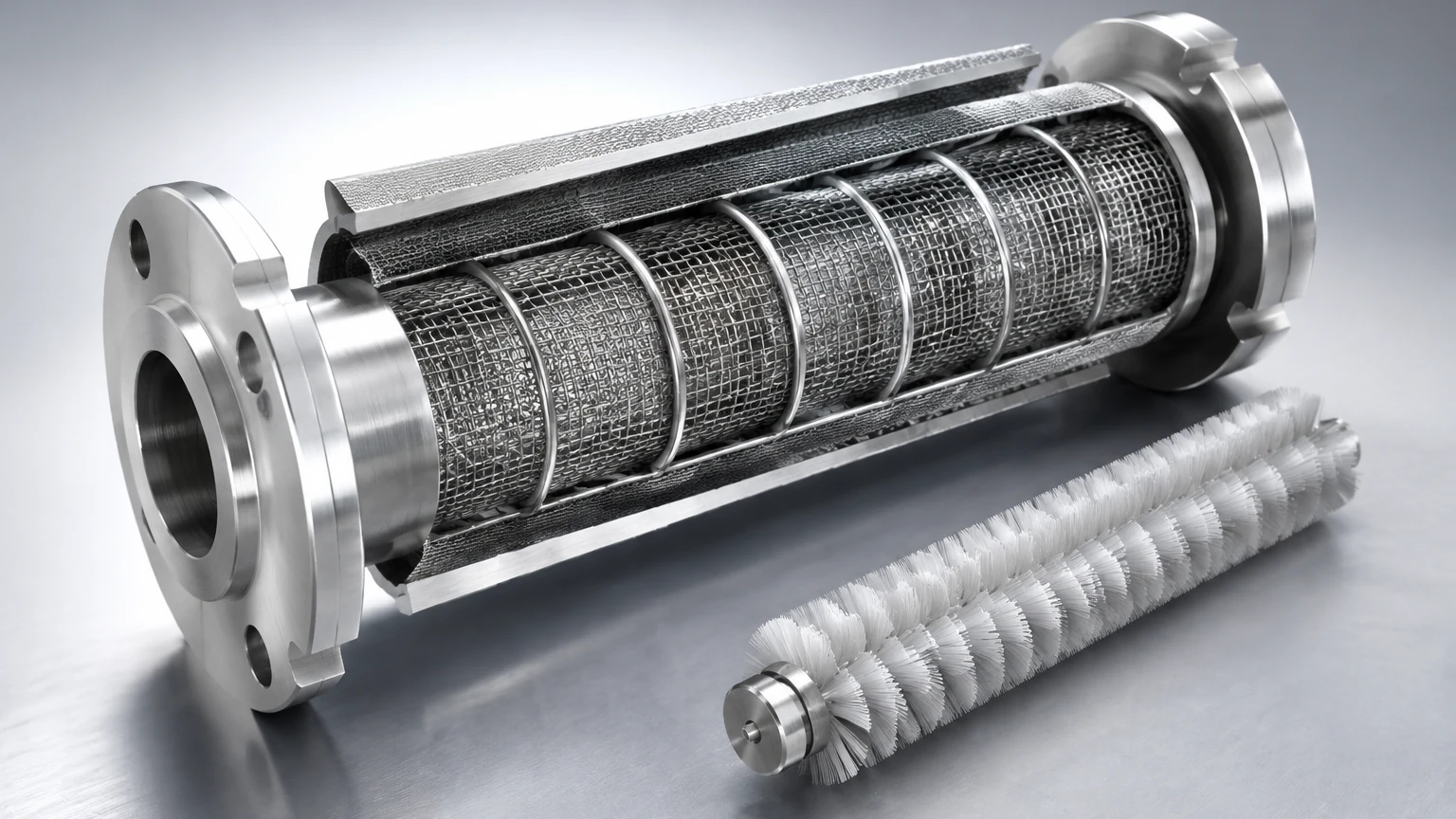
The core functionality of a zelfreinigend filter rests on its ability to detect when the filter element—typically a stainless steel wire mesh or wedge wire screen—has become restricted by contaminants. Most industrial systems utilize a differential pressure sensor to trigger the cleaning cycle. When the pressure drop across the filter reaches a pre-set threshold, the cleaning mechanism is activated.
There are three primary methods used in industrial self-cleaning filters:
1. Mechanical Scraping: A blade or brush moves across the internal or external surface of the filter element. This physical contact dislodges particles, which then settle into a collection chamber at the bottom of the housing to be purged. This method is particularly effective for viscous liquids or sticky contaminants.
2. Backwashing (Backpulsing): A portion of the filtered fluid (or an external clean fluid source) is forced backward through the filter media. This reversal of flow lifts the particles from the mesh and flushes them out through a waste valve. Backwashing is ideal for low-viscosity fluids like water or light chemicals.
3. Suction Scanning: A specialized nozzle moves across the filter screen, creating a localized high-velocity vacuum that sucks debris off the mesh. This method uses very little flush water and is highly efficient for large-scale water filtration.
For more information on high-performance filtration components and custom manufacturing, engineers can visit the Main Page to review technical specifications and material options.
Engineering Considerations: Material Selection and Mesh Types
The durability of a zelfreinigend filter is heavily dependent on the materials used for the filter element. Because these systems are often exposed to high pressures, abrasive particles, and corrosive chemicals, stainless steel is the industry standard.
Stainless Steel Grades
* Grade 304: Suitable for general industrial applications where corrosion risks are moderate. It provides excellent structural integrity and is cost-effective for water treatment and hydraulic oils.
* Grade 316L: The preferred choice for pharmaceutical, food and beverage, and chemical processing. The addition of molybdenum provides superior resistance to chlorides and organic acids, preventing pitting and ensuring a longer service life in aggressive environments.
Filter Element Structures
The geometry of the filter media determines both the filtration accuracy (micron rating) and the ease of cleaning.
* Wedge Wire: These V-shaped profiles are welded onto support rods, creating a non-clogging surface. The widening gap between the wires ensures that particles only touch two points, making them easy to dislodge during a cleaning cycle.
* Sintered Wire Mesh: For applications requiring high precision (down to 1 micron), multiple layers of stainless steel wire mesh are sintered together. This creates a robust, multi-layered structure that can withstand high differential pressures without deforming.
Performance Evaluation and Sizing
When specifying a zelfreinigend filter, engineers must look beyond simple micron ratings. Proper sizing is the difference between a system that runs autonomously for years and one that requires constant maintenance. Key parameters include:
* Flow Rate (m³/h): The system must handle the peak flow of the process without exceeding the recommended velocity for the specific mesh type. High velocities can force soft contaminants through the mesh or cause premature wear.
* Solids Loading: The concentration of contaminants (measured in PPM or mg/L) dictates the frequency of the cleaning cycles. If the loading is too high for the filter's surface area, the system may enter a continuous cleaning loop, wasting fluid and wearing out mechanical seals.
* Viscosity: Higher viscosity fluids require larger surface areas and more powerful mechanical cleaning mechanisms. A filter designed for water will likely fail if applied to heavy resins or oils.
* Operating Pressure: The housing and the internal elements must be rated for the maximum system pressure, including potential surges. Standard industrial housings are often rated for 10 bar or 16 bar, but custom high-pressure solutions are available for hydraulic and specialized chemical lines.
Applications in Demanding Industrial Sectors
The versatility of the zelfreinigend filter makes it a staple in modern manufacturing. Each industry presents unique challenges that influence the design of the filtration unit.
Chemical and Petrochemical Processing
In these environments, safety and containment are paramount. Self-cleaning filters eliminate the need for operators to open the filter housing, reducing exposure to hazardous chemicals. Furthermore, the use of 316L stainless steel ensures that the filter does not degrade when exposed to aggressive solvents or acids.
Food and Beverage Production
Hygiene and clean-in-place (CIP) compatibility are the primary drivers here. Filters used in syrup, juice, or chocolate production must have smooth internal surfaces (often electro-polished) to prevent bacterial growth. The automated cleaning cycle ensures that the product remains consistent without the risk of external contamination introduced during manual filter changes.
Industrial Water Treatment
From cooling tower side-stream filtration to intake water from rivers, self-cleaning filters protect downstream equipment like heat exchangers and spray nozzles. They are capable of handling large volumes of water with varying levels of organic and inorganic debris, providing a reliable first line of defense.
Maintenance, Replacement Cycles, and Total Cost of Ownership
While a zelfreinigend filter has a higher initial capital expenditure (CAPEX) compared to manual bag or cartridge filters, the total cost of ownership (TCO) is significantly lower over the long term.
Labor and Downtime Savings
Manual filters require downtime for every change-out. In a 24/7 production facility, even 30 minutes of downtime per shift can result in hundreds of hours of lost production annually. The automated nature of self-cleaning systems allows for continuous operation, effectively paying for itself through increased uptime.
Waste Reduction
Disposable filter elements contribute to industrial waste and recurring procurement costs. A stainless steel filter element in a self-cleaning system is designed to last for years. Maintenance typically involves the periodic inspection of seals, O-rings, and the mechanical drive system, rather than the wholesale replacement of the filtration media.
Replacement Cycles
Although the primary filter element is durable, it is not infinite. Engineers should establish an inspection schedule based on the abrasiveness of the media. In mining or sand-heavy water applications, the leading edges of wedge wire or mesh may eventually show wear, leading to a decrease in filtration accuracy. Standardizing on high-quality OEM components ensures that replacement parts fit perfectly and maintain the original performance specifications.
Customization and OEM Solutions
Every industrial process has specific constraints, whether it is a restricted physical footprint or a unique chemical compatibility requirement. Customization is a core advantage when sourcing a zelfreinigend filter.
Manufacturers like Kaifil specialize in developing bespoke filtration components that integrate seamlessly into existing machinery. This includes custom flange connections, specialized housing materials (such as Duplex stainless steel for marine environments), and tailored mesh configurations to achieve the exact balance of flow and retention.
When consulting with a manufacturer, it is important to provide a detailed fluid analysis. This should include the particle size distribution (PSD), the nature of the solids (hard, soft, or fibrous), and the chemical composition of the carrier fluid. This data allows engineers to select the optimal cleaning mechanism and mesh structure, ensuring the system operates at peak efficiency from the moment of installation.
For technical professionals looking to optimize their filtration processes, understanding the interaction between fluid dynamics and mechanical cleaning is essential. By selecting a robust zelfreinigend filter designed for the specific rigors of their industry, companies can achieve higher product purity, lower operational costs, and a more sustainable manufacturing process. To explore the full range of custom stainless steel filtration solutions, visit the Main Page for expert guidance and product details.
