


4 8 Expanded Metal
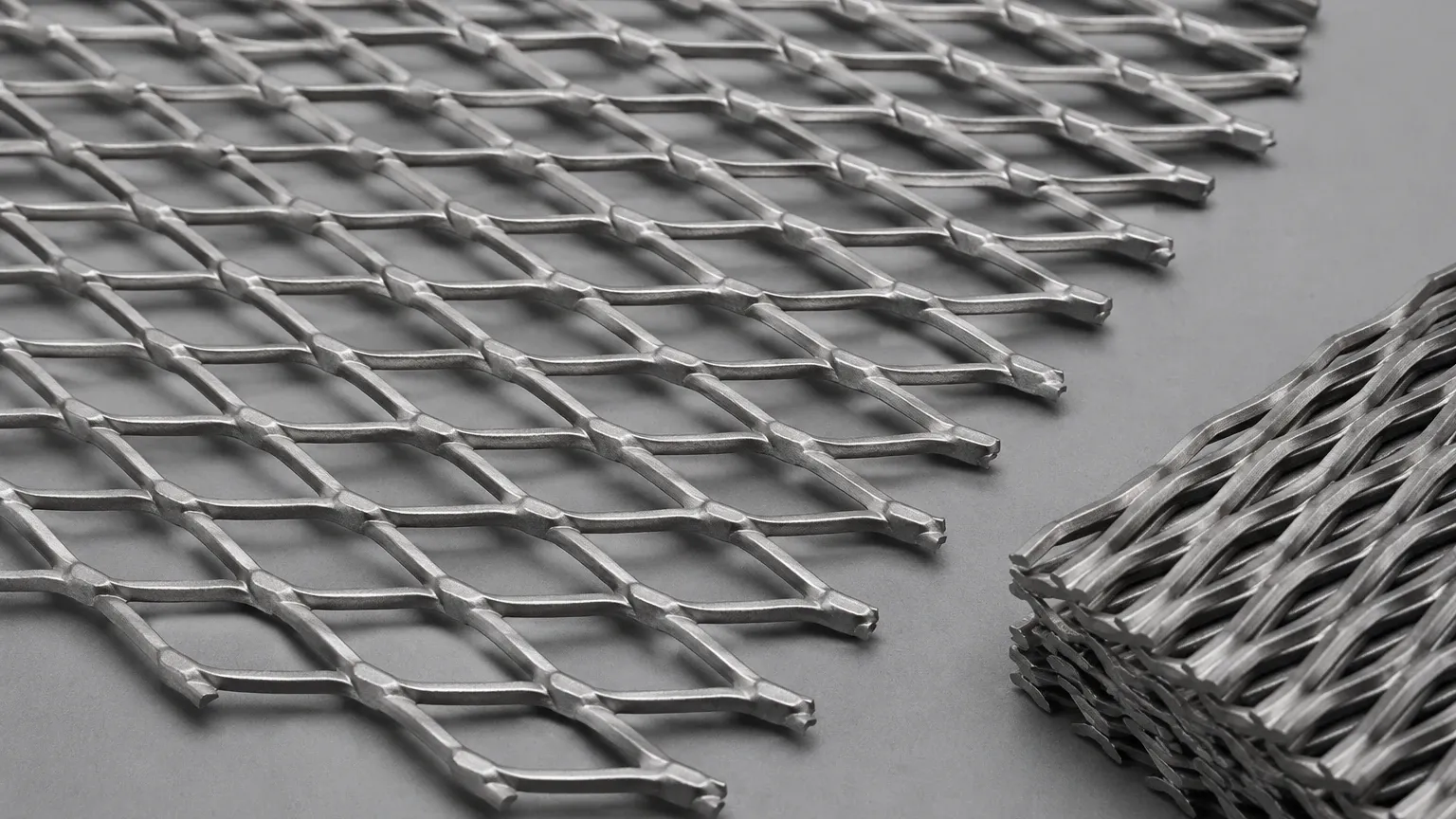
In the realm of industrial filtration and structural support, the 4 8 expanded metal sheet stands as a fundamental component for engineers and procurement specialists. Referring to the standard dimensions of 4 feet by 8 feet, these sheets are a staple in manufacturing due to their versatility, cost-effectiveness, and structural integrity. Unlike perforated materials, expanded metal is produced through a process of slitting and stretching a single metal sheet, resulting in a diamond-patterned mesh with no waste and inherent strength. For B2B applications—ranging from chemical processing to food and beverage production—understanding the technical specifications of these sheets is critical for optimizing filtration performance and system longevity.
Understanding 4 8 Expanded Metal Specifications
When specifying 4 8 expanded metal for industrial use, the dimensions of the sheet are only the starting point. The performance of the material is dictated by the geometry of the openings and the thickness of the strands. Engineers must be familiar with several key terms to ensure the material meets the application's mechanical and hydraulic requirements.
SWD and LWD
The diamond-shaped openings are defined by two primary measurements: the Short Way of Diamond (SWD) and the Long Way of Diamond (LWD). The SWD is the distance from the center of a bond to the center of the next bond across the short axis, while the LWD is the distance across the long axis. In a standard 4×8 sheet, the orientation of these diamonds can affect the sheet's rigidity and how it handles fluid flow. Typically, the LWD runs parallel to the length of the sheet (the 8-foot side), but custom orientations are possible depending on the manufacturing setup.
Strand Width and Thickness
The strand refers to the metal strips that form the sides of the diamond openings. The strand thickness is the thickness of the original base metal, while the strand width is the amount of metal fed into the dies during the expansion process. These two factors combined determine the overall weight of the sheet and its load-bearing capacity. For filtration support, a thicker strand might be necessary to withstand high-pressure differentials without deforming.
Manufacturing Variations: Standard vs. Flattened
One of the most important decisions an engineer faces when selecting 4 8 expanded metal is whether to use the "standard" (raised) or "flattened" variety. Each has distinct characteristics that impact its suitability for specific industrial environments.
Standard Expanded Metal
Standard expanded metal, also known as raised expanded metal, comes off the machine with the strands and bonds at a sharp angle to the plane of the sheet. This creates a three-dimensional surface that provides excellent grip and high rigidity. In filtration, the raised profile can be used to create turbulence in fluid flow, which may be desirable in certain mixing or specialized separation processes. However, the raised edges can be abrasive, which must be considered if the metal will be in contact with delicate filter media like fine wire mesh.
Flattened Expanded Metal
Flattened expanded metal is produced by passing the standard expanded sheet through a cold-roll reducing mill. This process flattens the strands and bonds into a single plane, resulting in a smooth, level surface. The thickness of the sheet is reduced, and the openings are slightly elongated. For many B2B filtration applications, flattened 4 8 expanded metal is preferred because it provides a consistent, smooth support surface that prevents the "coining" or tearing of adjacent wire mesh layers. It is also easier to clean and sterilize, making it a frequent choice for the pharmaceutical and food industries.
Material Selection for Industrial Environments
The choice of material for a 4 8 expanded metal sheet is dictated by the chemical and thermal conditions of the application. While carbon steel and aluminum are common in general construction, industrial filtration often demands the superior properties of stainless steel.
Stainless Steel 304 and 316
Stainless steel is the gold standard for filtration components. Grade 304 offers excellent corrosion resistance and durability for most water treatment and general industrial uses. However, for more aggressive environments—such as those involving chlorides, acids, or high temperatures in chemical processing—Grade 316 is required. The addition of molybdenum in 316 stainless steel significantly enhances its resistance to pitting and crevice corrosion. At Kaifil, we emphasize the importance of material traceability to ensure that the 4 8 expanded metal used in your systems meets the exact metallurgical standards required for safety and performance.
Specialized Alloys
In extreme cases, such as high-temperature petrochemical refining or highly corrosive pharmaceutical synthesis, specialized alloys like Monel, Inconel, or Hastelloy may be used for expanded metal production. These materials maintain their structural integrity and corrosion resistance where standard stainless steels would fail, though they come at a higher cost and often require longer lead times.
Applications in Industrial Filtration and Support
The Perforated & Expanded Metal produced in 4×8 formats serves several critical roles within industrial systems. Its primary function is often as a structural backbone for more delicate filtration components.
Support for Fine Wire Mesh
In many high-pressure filtration systems, fine wire mesh is used to achieve precise micron ratings. However, fine mesh lacks the structural strength to withstand the force of high-viscosity fluids or high flow rates. A layer of 4 8 expanded metal is often used as a support cage or a drainage layer. By providing a rigid frame, the expanded metal prevents the mesh from collapsing or migrating, ensuring the filter maintains its shape and efficiency throughout its service life.
Pre-Filtration and Debris Removal
With larger diamond openings, expanded metal acts as an effective pre-filter. It can capture large debris, scale, and particulate matter before it reaches more sensitive downstream components. This is common in water intake systems and large-scale hydraulic reservoirs where protecting pumps and valves is a priority.
Flow Diffusion and Protection
Expanded metal can also be used to diffuse the flow of liquids or gases, preventing localized high-velocity streams from damaging internal components. Additionally, it serves as a protective guard for machinery, allowing for airflow and visibility while preventing accidental contact with moving parts or hot surfaces.
Engineering Considerations for Selection
When integrating 4 8 expanded metal into a design, engineers must calculate the balance between mechanical strength and hydraulic performance. The following factors are essential for a successful implementation:
1. Open Area Percentage: This is the ratio of the area of the openings to the total area of the sheet. It directly influences the pressure drop across the filter. A higher open area allows for higher flow rates but may reduce the structural strength of the sheet.
2. Load-Bearing Capacity: Depending on whether the sheet is installed horizontally or vertically, and the direction of the LWD, the load-bearing capacity will vary. Engineers must ensure the sheet can support the weight of the filter cake or the pressure of the fluid without permanent deformation.
3. Pressure Drop (ΔP): The geometry of the expanded metal—specifically the angle of the strands in raised versions—can create resistance to flow. Calculating the expected pressure drop is vital for pump sizing and energy efficiency.
4. Compatibility: Ensure the metal is compatible with the fluids being filtered to avoid galvanic corrosion, especially if the expanded metal is in contact with a different type of metal mesh or housing.
Customization and OEM Solutions
While 4 8 expanded metal is a standard size, many industrial applications require further customization to fit specific equipment. OEM manufacturers like Kaifil provide value-added services that transform standard sheets into ready-to-install components.
Customization options include:
* Precision Shearing: Cutting the 4×8 sheets into smaller, precise dimensions with tight tolerances for circular or rectangular filter housings.
* Forming and Rolling: Bending or rolling the expanded metal into cylinders or cones to serve as filter cartridges or basket strainers.
* Welding and Assembly: Integrating the expanded metal with end caps, flanges, or handles to create a complete filtration assembly.
* Surface Finishing: Processes such as electropolishing, pickling, or passivating are often applied to stainless steel expanded metal to remove surface contaminants and enhance corrosion resistance, which is particularly important in the pharmaceutical and food industries.
Quality Control and Performance Evaluation
To ensure reliable performance in demanding B2B environments, 4 8 expanded metal must undergo rigorous quality control. Purchasing teams should verify that their suppliers adhere to recognized industry standards, such as those set by the Expanded Metal Manufacturers Association (EMMA).
Key quality metrics include:
* Flatness: For flattened expanded metal, the sheet must be free from waves or buckles that could interfere with assembly or cause gaps in the filtration seal.
* Dimensional Tolerance: Sheets should be checked for accuracy in length, width, and squareness. Even small deviations in a 4×8 sheet can lead to significant alignment issues in large assemblies.
* Deburring: The expansion process can leave sharp edges. For many applications, especially those involving manual handling or contact with filter bags, deburring is necessary to ensure safety and prevent damage to other components.
Procurement Guide: What to Confirm Before Ordering
Before finalizing a purchase of 4 8 expanded metal, procurement professionals should confirm the following details with their manufacturer to avoid costly errors and delays:
* Exact Material Grade: Specify whether SS304, SS316, or another alloy is required, and request material test reports (MTRs) if necessary.
* Style Designation: Use the standard industry nomenclature (e.g., 1/2" #13) which indicates the SWD and the gauge of the metal.
* Flattened vs. Standard: Clearly state the required finish.
* Quantity and Packaging: Since 4×8 sheets are large, consider the logistics of shipping and storage. Ensure the sheets are packaged to prevent bending or surface scratching during transit.
* Lead Times: For custom alloys or specialized patterns, lead times can vary. Aligning procurement with maintenance schedules or production timelines is essential for minimizing downtime.
By focusing on these technical and logistical details, engineers and purchasing teams can leverage the strengths of 4 8 expanded metal to build robust, efficient, and long-lasting filtration systems. Whether used as a simple guard or a complex support structure in a high-pressure chemical reactor, the right expanded metal specification is a key component of industrial success.
