


4×8 Expanded Metal Price
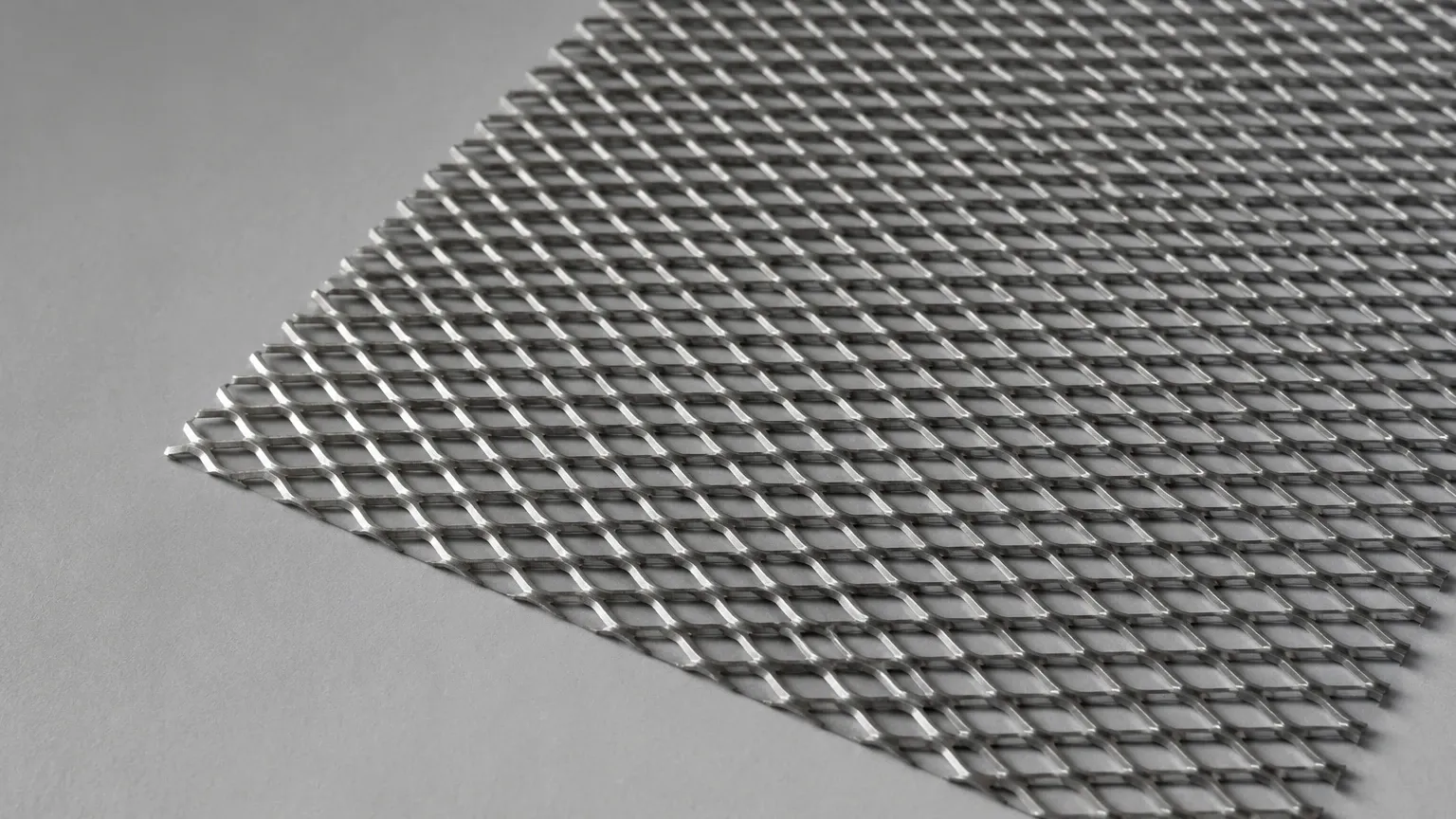
In industrial procurement, the 4×8 expanded metal sheet serves as a foundational component for diverse applications, ranging from heavy-duty walkways and security fencing to precision filtration supports and architectural facades. For engineers and purchasing managers, understanding the variables that determine the 4×8 expanded metal price is essential for accurate project budgeting and material selection. Unlike standard sheet metal, expanded metal is manufactured through a process of simultaneous slitting and stretching, which creates a diamond-shaped pattern without the material waste associated with punching.
When evaluating Perforated & Expanded Metal solutions, the cost is rarely a static figure. It is influenced by material chemistry, mechanical specifications, manufacturing tolerances, and secondary processing. This guide provides a technical breakdown of the factors impacting the 4×8 expanded metal price, helping technical professionals optimize their filtration and structural designs for both performance and cost-efficiency.
Understanding the Manufacturing Economics of Expanded Metal
The primary reason expanded metal is often more cost-effective than perforated metal is the lack of scrap. In perforated metal production, the "slugs" or holes punched out of the sheet represent wasted material that must be recycled. In contrast, the expansion process increases the overall area of the original metal sheet. For example, a single sheet of solid steel can be expanded into multiple sheets of finished product, depending on the opening size and strand width.
However, the complexity of the expansion process—specifically the precision required to maintain uniform diamond sizes and structural integrity—dictates the base manufacturing cost. When requesting a quote for a 4×8 sheet, the price reflects the machine time, the quality of the raw coil, and the technical labor involved in ensuring the mesh meets industrial standards for flatness and dimensional accuracy.
Key Factors Influencing the 4×8 Expanded Metal Price
To accurately compare quotes from manufacturers like Kaifil, it is necessary to define the specific technical parameters of the mesh. Each of the following factors plays a significant role in the final invoice.
1. Material Selection (Alloy Composition)
Material is the most significant driver of the 4×8 expanded metal price.
- Carbon Steel: Usually the most economical option, suitable for applications where corrosion is not a primary concern or where the metal will be coated.
- Stainless Steel (304 and 316): Essential for chemical processing, food and beverage, and pharmaceutical applications. Type 316 stainless steel, containing molybdenum, offers superior resistance to chlorides and acids, commanding a higher price than Type 304.
- Aluminum: Valued for its strength-to-weight ratio and natural corrosion resistance. While more expensive than carbon steel, its lower weight can reduce shipping costs and structural support requirements.
2. Mesh Dimensions: SWD and LWD
The geometry of the diamond opening is defined by the Short Way of Design (SWD) and the Long Way of Design (LWD).
- Small Openings: Mesh with very small SWD/LWD dimensions requires more precision and slower machine speeds, which increases the labor cost.
- Large Openings: Larger diamonds use less material per square foot and are generally faster to produce, leading to a lower price per 4×8 sheet.
3. Strand Width and Thickness (Gauge)
The thickness of the metal (gauge) and the width of the individual strands determine the weight of the sheet. Since metal is often priced by weight at the raw material level, a heavier gauge 4×8 sheet will naturally have a higher price. Engineers must balance the need for structural rigidity or filtration pressure resistance with the weight constraints of the project.
4. Raised vs. Flattened Expanded Metal
- Raised (Standard): The metal is left in the state it comes off the expanding machine. The strands are set at an angle to the plane of the sheet, providing a slip-resistant surface and high strength.
- Flattened: The raised mesh is passed through a cold-rolling reducing mill. This process flattens the strands and bonds into a single plane. Flattening adds an extra manufacturing step, which typically increases the 4×8 expanded metal price compared to the raised version.
Comparing Perforated and Expanded Metal Costs
When deciding between perforated and expanded metal for filtration or screening, the total cost of ownership (TCO) should be the guiding metric.
Perforated metal offers high precision in hole size and shape, which is critical for specific filtration microns. However, the manufacturing process is more resource-intensive. Expanded metal, while offering slightly less precision in hole geometry, provides a higher open-area-to-weight ratio. For many industrial filtration supports or protective guards, expanded metal provides the necessary structural performance at a lower price point than perforated alternatives.
Kaifil specializes in both Perforated & Expanded Metal technologies, allowing our engineering team to recommend the most cost-effective solution based on the specific mechanical loads and filtration requirements of the application.
Secondary Processing and Surface Treatments
A standard 4×8 sheet of expanded metal may require additional treatments to meet the demands of harsh industrial environments. These processes add to the initial purchase price but extend the service life of the component:
- Galvanizing: Hot-dip galvanizing provides a thick layer of zinc for carbon steel, offering excellent corrosion protection for outdoor or high-moisture environments.
- Pickling and Passivation: For stainless steel filtration components, pickling removes scale and impurities, while passivation restores the protective oxide layer. This is a critical step for pharmaceutical and food-grade applications.
- Powder Coating: Used for both aesthetic and protective purposes, powder coating can provide chemical resistance and color-coding for industrial safety.
Logistics and Volume Considerations
The 4×8 expanded metal price is also highly sensitive to order volume and logistics.
Bulk Procurement
As an OEM manufacturer, Kaifil provides tiered pricing. The setup time for the expanding machines is a fixed cost; therefore, spreading that cost over 100 sheets significantly reduces the price per sheet compared to an order of 5 sheets. For large-scale industrial projects, procurement teams should look to consolidate orders to take advantage of these economies of scale.
Shipping and Handling
A 4×8 sheet (approximately 1.2m x 2.4m) is a standard size, but it requires specialized packaging to prevent warping or edge damage during transit. For stainless steel filters used in precision applications, even minor deformations can compromise the integrity of the filtration system. Ensuring that the price includes robust palletizing and protection is essential for maintaining product quality upon arrival.
Engineering Checklist Before Purchasing
Before finalizing a purchase based on the 4×8 expanded metal price, engineers should confirm the following technical details with the manufacturer:
1. Tolerance Requirements: Does the sheet need to be exactly 48" x 96", or is there an allowable margin? Tight tolerances may require secondary shearing, which increases costs.
2. Open Area Percentage: Calculate the required flow rate for filtration or ventilation. The open area is determined by the strand width and the diamond size.
3. Load-Bearing Capacity: If the metal is used for flooring or walkways, the orientation of the LWD (usually parallel to the width of the sheet) is critical for structural strength.
4. Material Certification: For regulated industries (e.g., Aerospace, Pharma), ensure the manufacturer can provide Mill Test Reports (MTRs) to verify the chemical composition of the alloy.
Why Total Cost Matters More Than the Initial Quote
In the context of industrial filtration, the lowest 4×8 expanded metal price does not always equate to the most cost-effective solution. A lower-priced sheet made from inferior alloy or with inconsistent expansion patterns can lead to:
- Premature Failure: Corrosion or fatigue in high-pressure environments.
- Increased Maintenance: Difficulties in cleaning or backwashing if the mesh surface is irregular.
- System Downtime: The cost of replacing a failed filter component far outweighs the initial savings on the raw metal sheet.
By partnering with a specialized manufacturer like Kaifil, customers gain access to engineering expertise that ensures the selected expanded metal is fit for purpose. Whether you require stainless steel mesh for a hydraulic system or heavy-duty carbon steel for an industrial grate, we focus on providing durable, high-performance solutions that optimize the total cost of ownership.
Conclusion
The 4×8 expanded metal price is a variable determined by a complex interplay of material costs, manufacturing precision, and secondary treatments. While carbon steel raised mesh remains the most budget-friendly option for general utility, stainless steel and flattened variants are necessary for specialized industrial environments. By understanding these technical drivers, purchasing teams can make informed decisions that balance upfront costs with long-term reliability. For customized requirements or technical consultations regarding Perforated & Expanded Metal, engaging with a manufacturer early in the design phase is the most effective way to ensure both performance and price optimization.
