


4×8 Perforated Metal Sheet Price
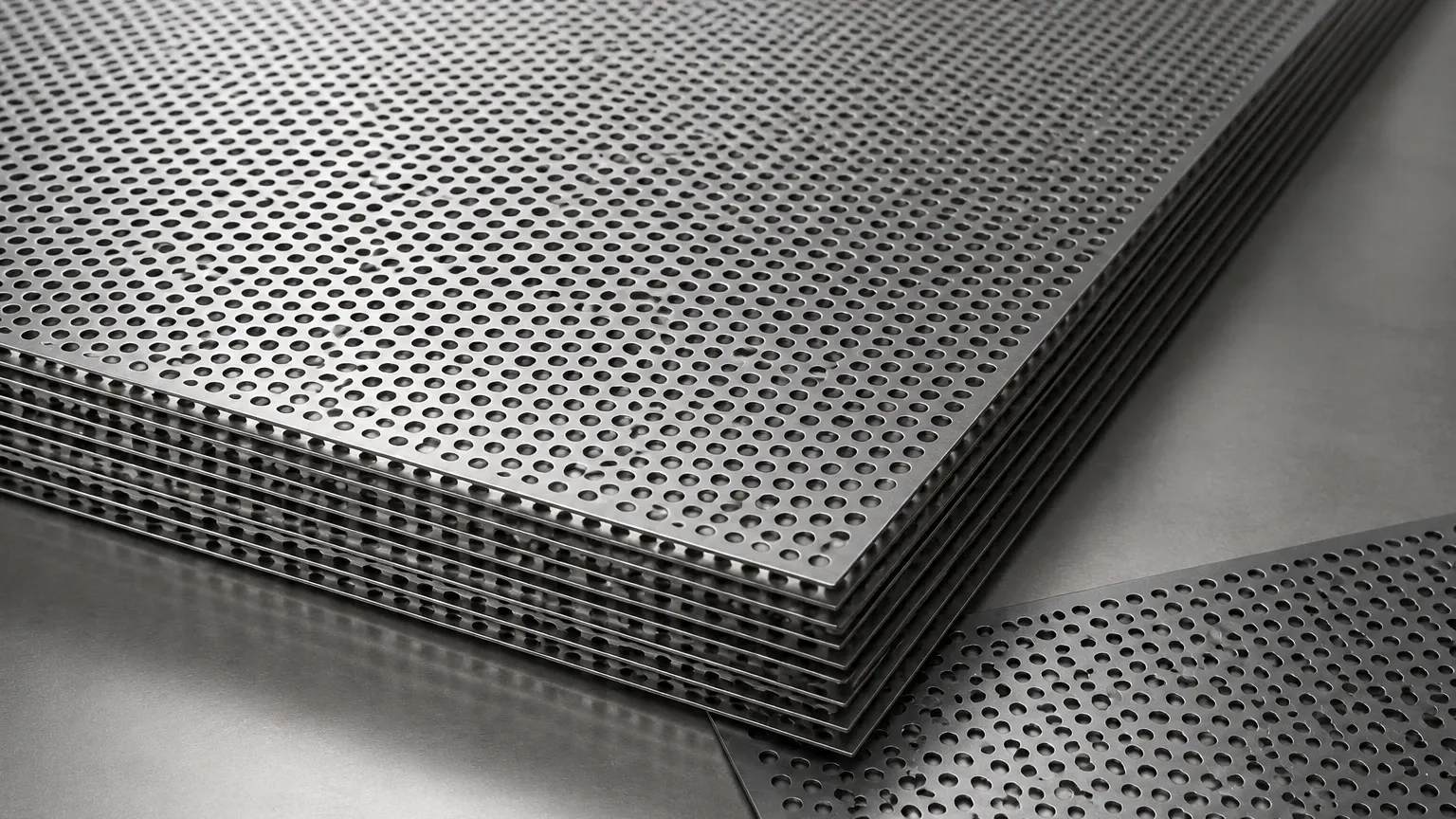
In industrial procurement and engineering design, the 4×8 perforated metal sheet serves as a foundational component for diverse applications, ranging from architectural facades to high-precision industrial filtration systems. When evaluating the 4×8 perforated metal sheet price, technical professionals must look beyond the surface-level cost per unit. The pricing of these components is a complex calculation driven by material volatility, manufacturing tolerances, hole geometry, and the specific performance requirements of the end-use environment.
For engineers and purchasing managers, understanding the variables that dictate cost is essential for optimizing project budgets without compromising structural integrity or filtration efficiency. This guide explores the technical factors influencing the market price of 4×8 perforated sheets and provides a framework for making informed selection decisions.
Understanding the Variables of 4×8 Perforated Metal Sheet Pricing
The standard 4-foot by 8-foot (48" x 96") dimension is the most common format for metal sheets in North America and many international markets. However, two sheets with identical external dimensions can have vastly different price points based on their internal specifications. The primary drivers of the 4×8 perforated metal sheet price include material type, thickness (gauge), hole pattern, and the percentage of open area.
Material Composition and Market Fluctuations
The choice of alloy is the most significant factor in the base cost. Stainless steel, particularly Grades 304 and 316, remains the industry standard for corrosive environments, such as chemical processing and food production.
* Carbon Steel: Generally the most cost-effective option, suitable for indoor applications or where secondary coatings (like powder coating or galvanizing) will be applied.
* Stainless Steel 304: Offers excellent corrosion resistance and is a mid-range pricing option for most industrial settings.
* Stainless Steel 316/316L: Contains molybdenum for superior resistance to chlorides and acids. This material carries a higher price premium but is necessary for marine or pharmaceutical applications.
* Aluminum: Valued for its strength-to-weight ratio and natural corrosion resistance, aluminum pricing fluctuates based on global bauxite and smelting costs.
Gauge and Weight Considerations
Metal is often sold by weight. A thicker gauge (lower numerical value) increases the raw material volume, which directly elevates the price. For instance, a 11-gauge sheet will be significantly more expensive than a 22-gauge sheet of the same material and hole pattern due to the sheer mass of the metal involved.
Technical Specifications: Hole Pattern and Open Area
The complexity of the perforation process contributes heavily to the final quote. The Perforated & Expanded Metal manufacturing process involves CNC punching or high-speed die pressing. The more holes required per square inch, the more wear occurs on the tooling, and the longer the machine runtime.
Hole Shapes and Arrangements
* Round Holes: The most economical and common pattern. Staggered 60-degree patterns provide the best balance of strength and open area.
* Square Holes: Often used for high visibility or specific airflow requirements, though they can lead to higher stress concentrations at the corners.
* Slotted Holes: Frequently used in sorting and sifting applications. These require specialized tooling which may influence the setup cost.
The Open Area Calculation
The "open area" refers to the percentage of the sheet that is removed during perforation. While a higher open area reduces the total weight of the sheet, it can increase the price if the hole density is extremely high, as this requires more precise hits from the punching press. Furthermore, sheets with a high open area (above 50%) are more prone to warping during production, necessitating additional leveling processes to ensure the sheet remains flat for installation.
Engineering Considerations for Industrial Filtration
In the context of industrial filtration, the 4×8 perforated metal sheet often serves as a support medium for finer wire mesh or as a primary coarse filter. When engineers evaluate the 4×8 perforated metal sheet price, they must consider how the technical specs impact the filtration system's performance.
Pressure Drop and Flow Rates
The percentage of open area directly correlates to the pressure drop across the filter. A lower open area increases resistance, requiring higher pump energy and potentially leading to premature system fatigue. Engineers must balance the cost of a high-open-area sheet against the long-term energy costs of the filtration system.
Mechanical Strength and Burst Pressure
Perforated sheets used in hydraulic or high-pressure liquid filtration must withstand significant differential pressure. The "bridge" (the metal remaining between the holes) must be wide enough to maintain structural integrity. Reducing the bridge width to increase flow might lower the material weight, but it could lead to mechanical failure, resulting in much higher costs associated with system downtime and equipment repair.
Manufacturing Methods: Perforated vs. Expanded Metal
When searching for cost-effective solutions, it is important to distinguish between perforated metal and expanded metal. While both provide openings for flow and visibility, their manufacturing processes differ significantly, impacting the price.
* Perforated Metal: Created by punching holes into a solid sheet. The "slugs" (the metal removed) are typically recycled, but the process inherently involves some material waste, which is factored into the price.
* Expanded Metal: Created by slitting and stretching the metal simultaneously. This process produces no waste, making expanded metal a lower-cost alternative for applications where precise hole geometry is less critical than general open area.
For precision filtration and structural components where exact hole diameters are required for particle retention, perforated metal remains the superior, albeit more expensive, choice.
How to Evaluate Quotes and Avoid Procurement Risks
When requesting a quote for a 4×8 perforated metal sheet price, providing incomplete specifications can lead to inaccurate pricing or, worse, the delivery of unusable materials. To ensure an accurate B2B transaction, purchasing teams should confirm the following details with their supplier:
1. Margins: Specify if the sheet requires "finished margins" (unperforated edges) or if the pattern can run to the edge. Finished margins add to the setup time and cost but are often necessary for welding or framing.
2. Flatness Tolerances: The perforation process introduces internal stresses that cause metal to curl. Standard commercial flatness may not be sufficient for precision OEM components. Specify if precision leveling is required.
3. Surface Finish: Will the sheet be used as-is, or does it require degreasing, deburring, or polishing? For food-grade or pharmaceutical applications, the removal of all burrs and oils is a critical safety requirement that adds to the processing cost.
4. Hole Direction: For slotted patterns, the direction of the slots (parallel to the 4ft side or the 8ft side) can affect both the price and the structural performance of the sheet.
The Total Cost of Ownership (TCO) in Filtration
In B2B industrial environments, the initial purchase price is only one component of the Total Cost of Ownership. A lower 4×8 perforated metal sheet price achieved by selecting a lower-grade alloy or a thinner gauge can lead to higher costs over the lifecycle of the product.
* Replacement Frequency: A 304 stainless steel sheet might be 20% cheaper than a 316 sheet, but if it corrodes and requires replacement twice as often, the long-term cost is significantly higher due to labor and downtime.
* Cleaning Efficiency: High-quality perforated sheets with smooth, burr-free holes are easier to clean (CIP – Clean-In-Place). Sheets with poor edge quality can trap particles, leading to bacterial growth or contamination, which is a major risk in the food and beverage industry.
* Compatibility: Ensure the material is chemically compatible with the fluids being filtered. Incompatible materials can lead to galvanic corrosion if the perforated sheet is in contact with a different metal in the filter housing.
Conclusion: Making the Right Procurement Choice
Navigating the 4×8 perforated metal sheet price requires a technical understanding of how material science and manufacturing processes intersect. For engineers, the goal is to define the minimum specifications necessary to achieve the required performance, safety margins, and lifespan. For purchasing professionals, the goal is to source these specifications from a manufacturer capable of maintaining tight tolerances and providing material certifications.
By focusing on the specific needs of the application—whether it be the high-pressure environment of a hydraulic system or the sanitary requirements of a pharmaceutical line—businesses can optimize their spend. Investing in the correct material grade and hole pattern at the outset prevents the hidden costs of failure, ensuring that the perforated metal components contribute to a reliable and efficient industrial operation.
Before finalizing a purchase, always verify the material origin, the precision of the perforation equipment, and the supplier's ability to provide customized solutions that meet your specific engineering drawings. This due diligence ensures that the price paid reflects the true value and performance required for your industrial filtration and structural needs.
