


4×8 Sheet Expanded Metal Price
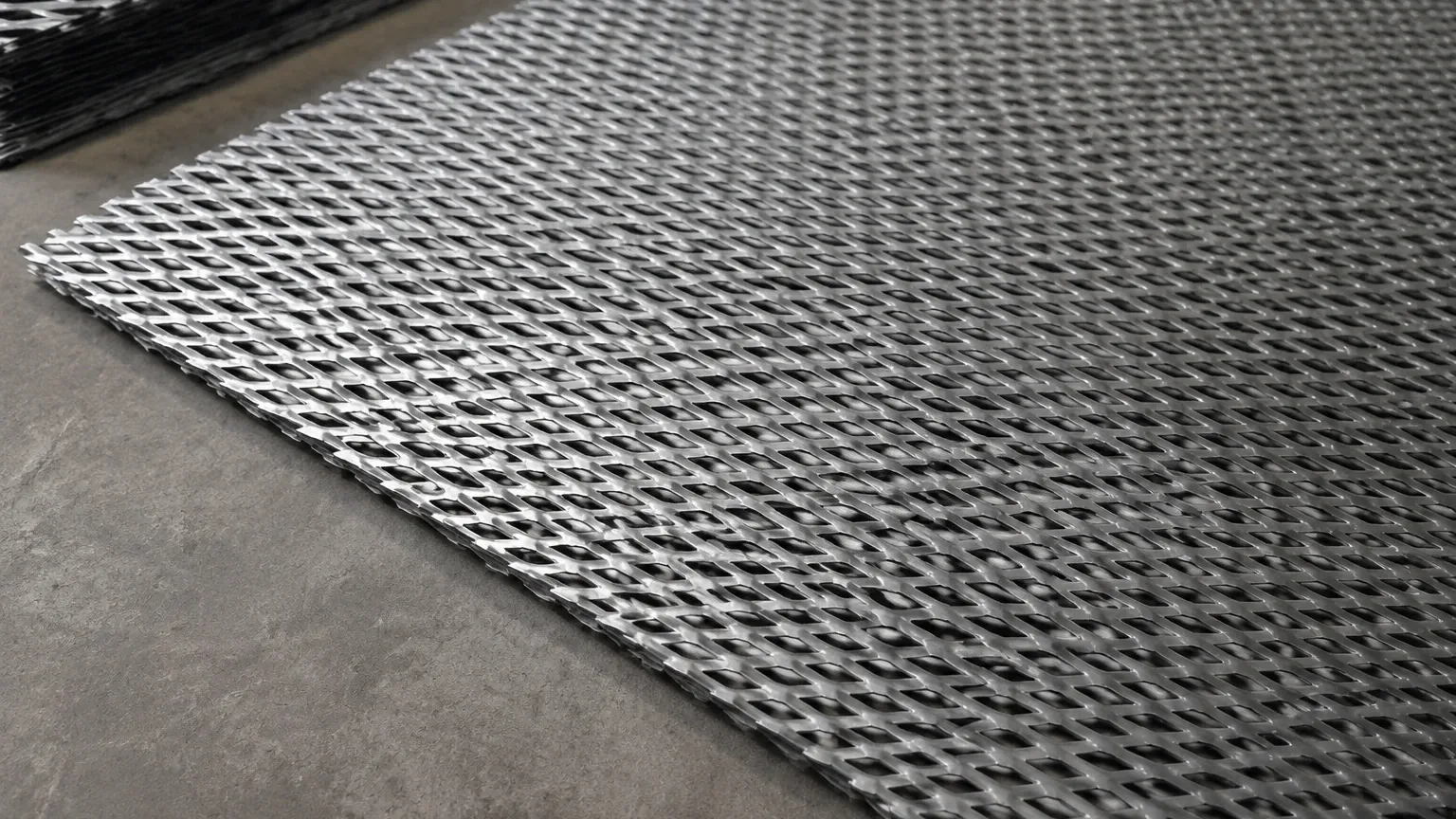
In industrial procurement and engineering design, the 4×8 sheet (48 inches by 96 inches) is the most common standard dimension for metal materials. When evaluating the 4×8 sheet expanded metal price, technical professionals must look beyond the initial quote to understand the underlying variables of material grade, manufacturing process, and performance specifications. Expanded metal is a versatile material created by slitting and stretching a single metal sheet, resulting in a diamond-patterned mesh that maintains structural integrity without the weight of solid plate.
For engineers and purchasing teams, understanding these cost drivers is essential for optimizing filtration systems, protective enclosures, and structural components. This guide examines the technical factors that influence pricing and provides a framework for selecting the most cost-effective solution for industrial applications.
Understanding the Variables in Expanded Metal Pricing
The market price for a standard 4×8 sheet is rarely a fixed figure. It fluctuates based on global commodity prices and specific manufacturing requirements. Unlike perforated metal, which involves punching holes and generating scrap waste, expanded metal is produced through a process that stretches the material. This "zero-waste" manufacturing often makes it a more economical choice for large-scale industrial projects.
However, several technical specifications directly impact the final cost:
1. Material Type: The choice between carbon steel, aluminum, and stainless steel is the primary price determinant. Stainless steel (specifically Grades 304 and 316) offers superior corrosion resistance for chemical processing and filtration but carries a higher price point than carbon steel.
2. Gauge and Thickness: The thickness of the original sheet (gauge) and the width of the strands created during the expansion process determine the weight and strength. Heavier gauges require more raw material and more robust machinery to process, increasing the price.
3. Opening Size (SWD and LWD): The dimensions of the diamond—Short Way of Design (SWD) and Long Way of Design (LWD)—affect the amount of stretching the metal undergoes. Smaller openings often require more precise processing and can influence the structural rigidity and the price per sheet.
Material Selection: Stainless Steel vs. Carbon Steel and Aluminum
When requesting a quote for a 4×8 sheet expanded metal price, the material grade is the most significant factor. In the context of industrial filtration and demanding chemical environments, the durability of the material often outweighs the initial cost savings of cheaper alternatives.
Stainless Steel (304 and 316)
Stainless steel is the preferred choice for Kaifil’s filtration solutions. Grade 304 provides excellent resistance to many corrosive environments, while Grade 316 includes molybdenum for enhanced resistance to chlorides and marine environments. While the price for a 4×8 sheet of stainless expanded metal is higher than carbon steel, its longevity in acidic or high-temperature applications reduces the total cost of ownership by extending replacement cycles.
Carbon Steel
Standard carbon steel is the most economical option. It is suitable for applications where corrosion is not a primary concern or where the metal will be coated (e.g., galvanized or powder-coated) after fabrication. However, for filtration tasks involving fluids or gases, the risk of oxidation often makes carbon steel a less viable long-term investment.
Aluminum
Aluminum expanded metal is lightweight and naturally corrosion-resistant. It is often used in architectural applications or where weight reduction is critical. Its price typically sits between carbon steel and stainless steel, depending on the specific alloy (such as 3003 or 5052).
Structural Specifications: Standard vs. Flattened Expanded Metal
The physical form of the expanded metal significantly influences both its performance and its price. Engineers must decide between "Standard" (raised) and "Flattened" varieties.
* Standard Expanded Metal: This is the material as it comes off the expanding machine. The strands and bonds are set at a uniform angle to the plane of the sheet. This creates a three-dimensional texture that provides excellent grip and strength, but the thickness of the sheet is greater than the original gauge. Standard expanded metal is generally less expensive because it requires fewer processing steps.
* Flattened Expanded Metal: This material is produced by passing standard expanded metal through a cold-roll reducing mill. This process flattens the strands and bonds into a single plane, resulting in a smooth surface. Flattened sheets are often used when the metal needs to be integrated into a tight assembly or when a smooth finish is required for safety. The additional rolling process adds to the 4×8 sheet expanded metal price.
The Role of Mesh Geometry in Filtration and Cost
In filtration applications, the geometry of the expanded metal is not just an aesthetic choice; it dictates the flow rate, pressure drop, and particle retention capabilities. The Perforated & Expanded Metal used in industrial filters must be precisely calculated to ensure it supports the filter media without obstructing flow.
Open Area Percentage
The ratio of open space to metal determines how much fluid or gas can pass through the sheet. A higher open area typically means less metal is used, but the manufacturing complexity of maintaining structural integrity with very thin strands can increase costs. Engineers must balance the need for high flow rates with the requirement for mechanical support.
Strand Width and Thickness
The thickness of the strand and the width of the cut are critical for determining the sheet's strength. In high-pressure hydraulic or water treatment systems, thicker strands are necessary to prevent deformation. These specifications are often customized, and custom configurations will naturally result in a higher price than off-the-shelf stock sizes.
Comparing Perforated & Expanded Metal for Industrial Use
A common question during the procurement phase is whether to use perforated or expanded metal. While both fall under the category of Perforated & Expanded Metal, their manufacturing costs and functional characteristics differ.
* Material Efficiency: Expanded metal is produced by slitting and stretching, meaning there is virtually no material loss. Perforated metal is made by punching holes, which can result in 10% to 40% of the material being removed as scrap. Consequently, for the same material grade and thickness, expanded metal is often more cost-effective.
* Strength-to-Weight Ratio: Expanded metal is often stronger than an equivalent weight of perforated metal because the strands are interconnected without welds or joints. This allows for the use of lighter-weight sheets to achieve the same structural performance, potentially lowering the overall project cost.
* Application Suitability: Perforated metal offers more variety in hole shapes (round, square, slotted) and more precise control over the open area, which is sometimes required for specific micron-rated filtration. Expanded metal is often used as a support structure or a coarse pre-filter where durability and cost-efficiency are prioritized.
Procurement Strategies: Optimizing Total Cost of Ownership
When analyzing the 4×8 sheet expanded metal price, it is important to consider the total cost of ownership (TCO). A lower purchase price may lead to higher costs later if the material fails prematurely or requires frequent maintenance.
Customization vs. Standard Sheets
Buying standard 4×8 sheets is usually the most economical way to purchase expanded metal. However, if your application requires specific dimensions, it may be more cost-effective to have the manufacturer cut the material to size (OEM services). This reduces labor costs at your facility and ensures that the edges are finished correctly, which is vital for safety and assembly.
Surface Treatments
For carbon steel, surface treatments like hot-dip galvanizing or PVC coating are essential for longevity. While these add to the initial price, they prevent rust and degradation. For stainless steel, processes like passivating or electropolishing can enhance corrosion resistance and cleanliness, which is particularly important in the food and beverage or pharmaceutical industries.
Logistics and Volume
Because 4×8 sheets are large, shipping costs can be significant. Ordering in bulk often reduces the price per sheet and the proportional cost of freight. Working with a manufacturer like Kaifil, who understands the logistical requirements of global industrial supply chains, can help in optimizing these costs.
Technical Checklist for Requesting Quotes
To receive an accurate and competitive 4×8 sheet expanded metal price, engineers should provide the following technical details to the manufacturer:
* Material Grade: (e.g., SS304, SS316L, Carbon Steel, Aluminum 5052)
* Style: (Standard or Flattened)
* Designation: (e.g., 1/2" #13, 3/4" #9—this refers to the SWD and the gauge)
* Sheet Size: (Standard 4' x 8' or custom dimensions)
* Quantity: (Number of sheets or total square footage)
* End Use: (e.g., filter support, walkway grating, machine guard) — this helps the manufacturer recommend the best specification for the application.
* Required Certifications: (e.g., material test reports, ISO compliance)
Engineering Considerations for Filtration Integration
In the realm of industrial filtration, expanded metal often serves as the outer cage or inner core for filter cartridges. In these cases, the price of the 4×8 sheet is only one part of the equation. The engineer must consider how the mesh will interact with the filter media (such as wire mesh or non-woven fabrics).
If the expanded metal is too sharp or has burrs, it can damage delicate filter media during assembly or operation. Therefore, specifying "deburred" or "flattened" metal is often a technical necessity that justifies a slightly higher price point. Furthermore, the compatibility of the metal with the process fluid is paramount. Using a 316L stainless steel expanded metal sheet for a seawater filtration system is a high-value decision, as it prevents the catastrophic failure that would occur with lower-grade materials.
Conclusion
The 4×8 sheet expanded metal price is influenced by a complex interplay of material science, manufacturing processes, and market conditions. For B2B buyers and engineers, the goal is to find the intersection of performance and economy. By understanding the differences between standard and flattened styles, the benefits of various material grades, and the structural advantages of expanded metal over perforated options, procurement teams can make informed decisions that support the long-term efficiency of their industrial systems.
For those seeking precision-engineered Perforated & Expanded Metal for filtration or industrial applications, focusing on technical specifications and material integrity ensures that the chosen product will withstand the rigors of the application while providing the best possible return on investment.
