


Can You Grill on Expanded Metal
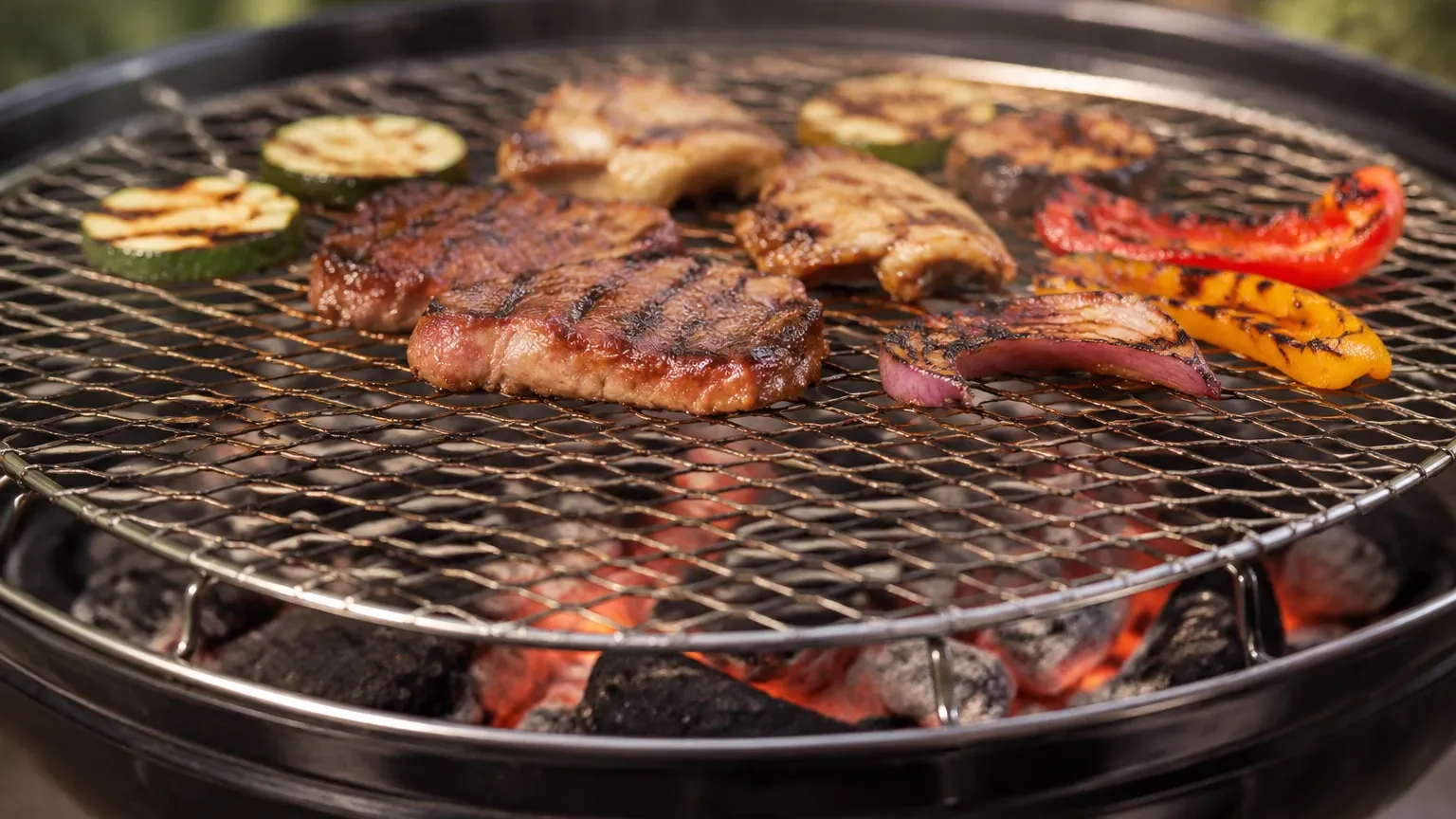
In the realms of industrial food processing, commercial equipment manufacturing, and even custom metal fabrication, the selection of materials for high-heat environments is a critical engineering decision. A common question that arises among technical professionals and facility managers is: can you grill on expanded metal?
While the short answer is yes, the practical application is governed by strict material science, safety regulations, and mechanical considerations. For engineers and purchasing teams, understanding the nuances of expanded metal—ranging from its metallurgical composition to its structural behavior under thermal stress—is essential for ensuring both performance and safety. This guide examines the technical criteria for using expanded metal in grilling and high-heat applications, focusing on material selection, safety risks, and industrial standards.
Understanding Expanded Metal in Thermal Applications
Expanded metal is a unique material produced by simultaneously slitting and stretching a single sheet of metal. This process creates a diamond-shaped pattern of openings, which provides a high strength-to-weight ratio and excellent airflow. Unlike perforated metal, which is created by punching holes and results in material waste, expanded metal is manufactured without any loss of material, making it an efficient choice for large-scale industrial applications.
In a grilling or high-heat context, the geometry of expanded metal offers several advantages. The open area allows for direct heat transfer and efficient drainage of fats or oils. However, the manufacturing process—whether the metal is "raised" or "flattened"—significantly impacts its utility as a cooking surface. Raised expanded metal provides a textured surface that can prevent food from sliding, but it is more difficult to clean. Flattened expanded metal, which has been cold-rolled to create a smooth, level surface, is generally preferred for food contact as it reduces the risk of food particles becoming trapped in the crevices of the strands.
The Critical Importance of Material Grade
When evaluating if you can grill on expanded metal, the most significant factor is the base material. Not all expanded metals are created equal, and using the wrong alloy can lead to structural failure or, more seriously, toxic contamination.
Stainless Steel: The Industrial Standard
For professional food processing and commercial grilling equipment, stainless steel is the preferred choice. Specifically, T-304 and T-316 grades are the industry standards. Stainless steel offers exceptional corrosion resistance, which is vital when the material is exposed to high temperatures, moisture, and organic acids found in food.
From an engineering perspective, stainless steel maintains its structural integrity at higher temperatures compared to carbon steel. It does not require a protective coating, which eliminates the risk of chemical off-gassing. For high-performance filtration and food-grade surfaces, sourcing high-quality Perforated & Expanded Metal in stainless steel ensures compliance with food safety standards and long-term durability.
Carbon Steel: Cost vs. Maintenance
Carbon steel expanded metal is frequently used in industrial smokers and large-scale charcoal grills due to its lower initial cost and excellent heat retention. However, carbon steel is highly susceptible to oxidation (rust). If used as a grilling surface, it must be "seasoned"—a process of applying high-smoke-point oils and heating the metal to create a polymerized protective layer. Without proper maintenance, carbon steel grates will degrade rapidly, leading to surface pitting and potential structural failure.
The Danger of Galvanized Steel
It is a critical safety rule in metal fabrication: never use galvanized expanded metal for grilling or direct food contact. Galvanized steel is coated with a layer of zinc to prevent rust. When heated to the temperatures required for grilling (typically above 390°F or 200°C), the zinc coating can release toxic fumes. Inhaling these fumes can lead to "metal fume fever," a condition characterized by flu-like symptoms. Furthermore, zinc can leach into the food itself. In any B2B or industrial procurement process, galvanized materials must be strictly excluded from high-heat food applications.
Engineering Considerations for Grate Design
Beyond material selection, several mechanical factors must be addressed when designing or purchasing expanded metal for grilling applications.
Gauge and Thickness
The thickness of the metal (gauge) determines its ability to withstand thermal expansion without warping. In industrial settings, where grills may operate for 12 to 24 hours a day, using a heavy-duty gauge (such as 9-gauge or 13-gauge) is necessary to maintain a flat cooking surface. Thinner gauges may be lighter and cheaper, but they are prone to "oil-canning" or permanent deformation under the weight of the product and the stress of heat cycles.
Open Area Percentage
The ratio of open space to solid metal (open area) dictates the airflow and heat distribution. For grilling, an open area of 50% to 70% is typically ideal. Too little open area restricts the flow of heat and smoke, leading to uneven cooking. Too much open area can weaken the structural integrity of the sheet, causing it to sag under load.
Thermal Expansion and Support Frames
Metal expands when heated. When installing expanded metal into a grill frame, engineers must account for this expansion. If the expanded metal is welded too tightly to a rigid frame without room for movement, the internal stresses can cause the welds to crack or the sheet to buckle. Often, the expanded metal is placed in a "floating" frame or secured with clips that allow for slight lateral movement.
Safety Risks and Industrial Contaminants
A primary concern for purchasing teams is the presence of residual contaminants from the manufacturing process. During the expansion process, lubricants and oils are often used to cool the blades and reduce friction. These industrial oils are not food-grade and must be completely removed before the metal is used for grilling.
Professional manufacturers like Kaifil emphasize the importance of thorough degreasing and cleaning. For stainless steel components, a passivation process—which involves treating the metal with a mild oxidant (like nitric or citric acid)—is often recommended. Passivation removes free iron from the surface and enhances the protective chromium oxide layer, ensuring the metal remains inert and corrosion-resistant during use.
Maintenance and Replacement Cycles
In B2B environments, the total cost of ownership (TCO) is a more important metric than the initial purchase price. While carbon steel expanded metal is cheaper upfront, its maintenance requirements (cleaning, seasoning, and rust prevention) can lead to higher labor costs over time.
Stainless steel expanded metal, while requiring a higher initial investment, offers a significantly longer service life and lower maintenance overhead. In high-volume food processing, the reliability of the equipment is paramount. A stainless steel grate can last for years with basic cleaning, whereas carbon steel may need replacement every season due to corrosion or thinning of the metal strands.
Engineers should also establish clear inspection protocols. Over time, the repeated heating and cooling of expanded metal can lead to "stress corrosion cracking" or simple metal fatigue. Regular inspections should look for:
1. Thinning of strands: Caused by oxidation or abrasive cleaning.
2. Broken welds: Especially at the points where the expanded metal meets the support frame.
3. Pitting: Signs of localized corrosion that can harbor bacteria.
Selecting the Right Solution for Professional Applications
When specifying materials for industrial grills, smokers, or food dehydration racks, it is vital to partner with a manufacturer that understands the technical requirements of the industry. Customization options, such as specific diamond sizes, strand widths, and surface finishes, allow engineers to optimize the filtration and heating performance of their equipment.
At Kaifil, we provide high-precision Perforated & Expanded Metal solutions tailored to demanding industrial environments. Whether you are designing a high-capacity commercial smoker or a specialized food processing line, our expertise in stainless steel fabrication ensures that your components meet the highest standards of durability and safety.
Conclusion
Can you grill on expanded metal? Yes, provided you prioritize material science over cost-cutting. For any professional or industrial application, stainless steel is the only viable choice to ensure food safety, corrosion resistance, and structural longevity. By avoiding galvanized materials and carefully considering the gauge, open area, and surface finish, engineers can implement expanded metal solutions that deliver consistent, high-quality results in the most demanding thermal environments.
Before finalizing a purchase, technical teams should confirm the material grade, ensure the removal of manufacturing lubricants, and design for thermal expansion to maximize the efficiency and safety of their filtration and grilling systems.
