


Decorative Expanded Metal Panels
In modern industrial design and architectural engineering, the selection of materials often requires a balance between structural integrity and aesthetic appeal. Decorative expanded metal panels represent a versatile solution that bridges this gap, offering a unique combination of transparency, strength, and geometric complexity. Unlike traditional woven wire or solid sheets, expanded metal is manufactured through a specialized process of slitting and stretching, resulting in a continuous piece of metal with no joints or welds. This guide examines the technical specifications, material considerations, and engineering benefits of utilizing these panels in professional applications.
Understanding the Geometry of Expanded Metal
To specify decorative expanded metal panels effectively, engineers must understand the unique terminology used to define their geometry. The manufacturing process creates a three-dimensional structure consisting of "strands" and "bonds." The strands are the individual metal strips that form the pattern, while the bonds are the points where the strands intersect.
The dimensions of the openings are typically measured in two directions:
* LWD (Long Way of Design): This refers to the distance from the center of one bond to the center of the next bond across the long axis of the diamond or hexagonal opening.
* SWD (Short Way of Design): This is the distance from the center of one bond to the center of the next bond across the short axis.
* LWO (Long Way of Opening): The actual clear opening distance across the long axis.
* SWO (Short Way of Opening): The clear opening distance across the short axis.
By adjusting these parameters, manufacturers can create patterns ranging from fine, mesh-like textures to large, bold architectural features. When selecting Perforated & Expanded Metal, the ratio between the strand width and the opening size determines both the visual density of the panel and its physical performance characteristics, such as airflow and light transmission.
Standard vs. Flattened Expanded Metal
One of the most critical decisions in the procurement of decorative expanded metal panels is choosing between standard (raised) and flattened profiles. Each offers distinct advantages depending on the intended use case.
Standard Expanded Metal
Standard expanded metal, also known as raised expanded metal, retains the three-dimensional profile created during the stretching process. The strands are set at an angle to the plane of the sheet. This configuration provides several functional benefits:
1. Rigidity: The angled strands act as structural trusses, significantly increasing the panel's resistance to bending.
2. Directional Privacy: Depending on the viewing angle, the panel can appear either transparent or opaque, making it ideal for sunshades or privacy screens.
3. Grip and Diffusion: The raised texture is excellent for diffusing light and sound waves, which is useful in acoustic baffles and industrial ceilings.
Flattened Expanded Metal
Flattened expanded metal is produced by passing the standard expanded sheet through a cold-rolling reducing mill. This process levels the strands and bonds, creating a smooth, flat surface. Flattened panels are often preferred for interior applications where tactile safety is a priority, such as furniture, partitions, or cabinet inserts. While flattening reduces the thickness of the sheet by roughly 20% to 30%, it provides a sleek, uniform appearance that is easier to clean and paint.
Material Selection for Industrial and Architectural Panels
The longevity and performance of decorative expanded metal panels are heavily dependent on the base material. As a specialist in stainless steel solutions, Kaifil emphasizes the importance of matching material properties to the environmental conditions of the project.
* Stainless Steel (304 and 316L): This is the gold standard for industrial and high-end architectural applications. Stainless steel offers superior corrosion resistance, making it suitable for chemical processing plants, pharmaceutical facilities, and coastal architectural facades. Grade 316L is particularly recommended for environments exposed to chlorides or heavy industrial pollutants.
* Aluminum: Known for its high strength-to-weight ratio, aluminum is frequently used for large-scale building envelopes. It is naturally corrosion-resistant and can be anodized in a wide range of colors to enhance its decorative appeal.
* Carbon Steel: While cost-effective, carbon steel requires secondary finishes such as powder coating or galvanizing to prevent oxidation. It is commonly used for interior partitions or temporary industrial guarding.
For engineers involved in filtration or precision metal components, the choice of material also impacts the chemical compatibility of the panel if it serves as a support structure for more delicate filter media.
Performance Benefits: Ventilation, Light, and Acoustics
Beyond their visual impact, decorative expanded metal panels are functional components that solve complex engineering challenges. Their unique structure allows for controlled interaction with the environment.
Airflow and Ventilation
The "open area" percentage of a panel determines how much air can pass through it. In HVAC systems or equipment enclosures, expanded metal provides necessary ventilation while protecting internal components from debris. Because the strands are angled in the standard profile, they can also act as louvers, directing airflow in a specific direction.
Light Diffusion and Solar Shading
In architectural applications, expanded metal is an effective tool for solar heat gain management. By calculating the angle of the sun relative to the strand angle, designers can specify panels that block direct sunlight during the hottest parts of the day while allowing natural light to enter the building. This reduces cooling costs and improves occupant comfort without sacrificing the view.
Acoustic Performance
The irregular surface of expanded metal is naturally adept at breaking up sound waves. When used in conjunction with acoustic insulation, these panels serve as a durable and attractive facing material for sound-absorbing walls and ceilings in noisy industrial environments or public spaces.
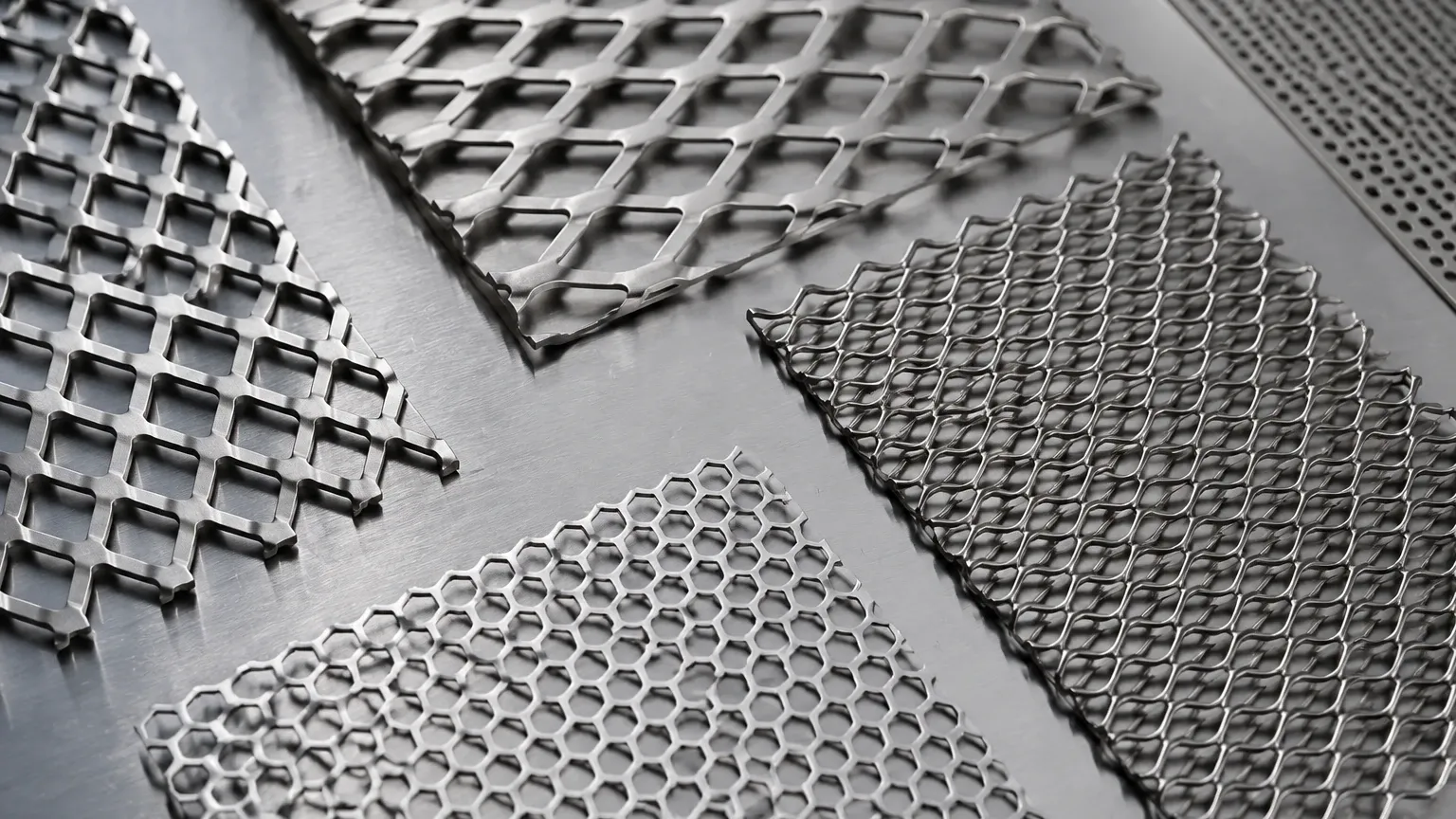
Customization and OEM Capabilities
Industrial projects rarely rely on off-the-shelf solutions. Customization is essential for integrating decorative expanded metal panels into specific machinery or architectural frameworks. Engineering teams should look for manufacturers capable of providing tailored solutions across several dimensions:
1. Pattern Variation: Beyond the standard diamond shape, expanded metal can be produced in hexagonal, square, or custom decorative patterns that align with a brand's visual identity or a building's design language.
2. Precision Cutting and Framing: Panels often need to be supplied in non-standard shapes or with integrated framing systems to simplify installation on-site. Precision shearing and welding ensure that the panels fit perfectly into their designated spaces.
3. Surface Finishes: To enhance durability and aesthetics, panels can be treated with various finishes. Powder coating provides a thick, protective layer in almost any color, while electropolishing is often used for stainless steel components in the food and beverage industry to ensure a smooth, hygienic surface.
Kaifil’s expertise in custom stainless steel filtration allows for the production of expanded metal components that meet the rigorous tolerances required in industrial applications, whether they are used as decorative facades or as internal support structures for high-performance filter cartridges.
Engineering Considerations for Installation
When specifying decorative expanded metal panels, engineers must account for the mechanical properties of the material during the installation phase. Several factors can influence the success of the project:
* Directionality: Expanded metal has a distinct "grain" based on the orientation of the LWD. The panels will have different load-bearing capacities and visual appearances depending on whether they are installed vertically or horizontally.
* Thermal Expansion: Like all metal components, these panels will expand and contract with temperature changes. This is particularly important for exterior facades, where the attachment system must allow for movement to prevent buckling.
* Edge Treatment: The edges of expanded metal can be sharp due to the slitting process. For panels that will be accessible to the public or workers, edges should be hemmed, framed, or U-edged to ensure safety.
* Weight Calculations: While expanded metal is lighter than solid plate, the weight of the framing and the cumulative weight of large-scale installations must be factored into the structural design of the building or machine.
Procurement and Quality Evaluation
To ensure the quality of decorative expanded metal panels, procurement teams should confirm several key details before finalizing an order. A reliable manufacturer will provide comprehensive documentation regarding material certifications and manufacturing tolerances.
Key questions to ask include:
* What is the maximum sheet size available to minimize seams in large installations?
* Can the manufacturer provide samples to verify the strand angle and light transmission properties?
* Are the panels produced from a single batch to ensure color and pattern consistency across the entire project?
* What quality control measures are in place to ensure the flatness of the panels, especially for large-format architectural applications?
By focusing on these technical details, engineers can ensure that the selected panels will perform reliably over their intended service life. Whether the goal is to enhance the aesthetic of a corporate headquarters or to provide a durable protective screen for industrial equipment, expanded metal remains a premier choice for modern B2B applications.
For more information on selecting the right specifications for your project, you can explore various Perforated & Expanded Metal options that cater to both functional filtration and decorative requirements.
