


Expanded Metal Cooking Grates
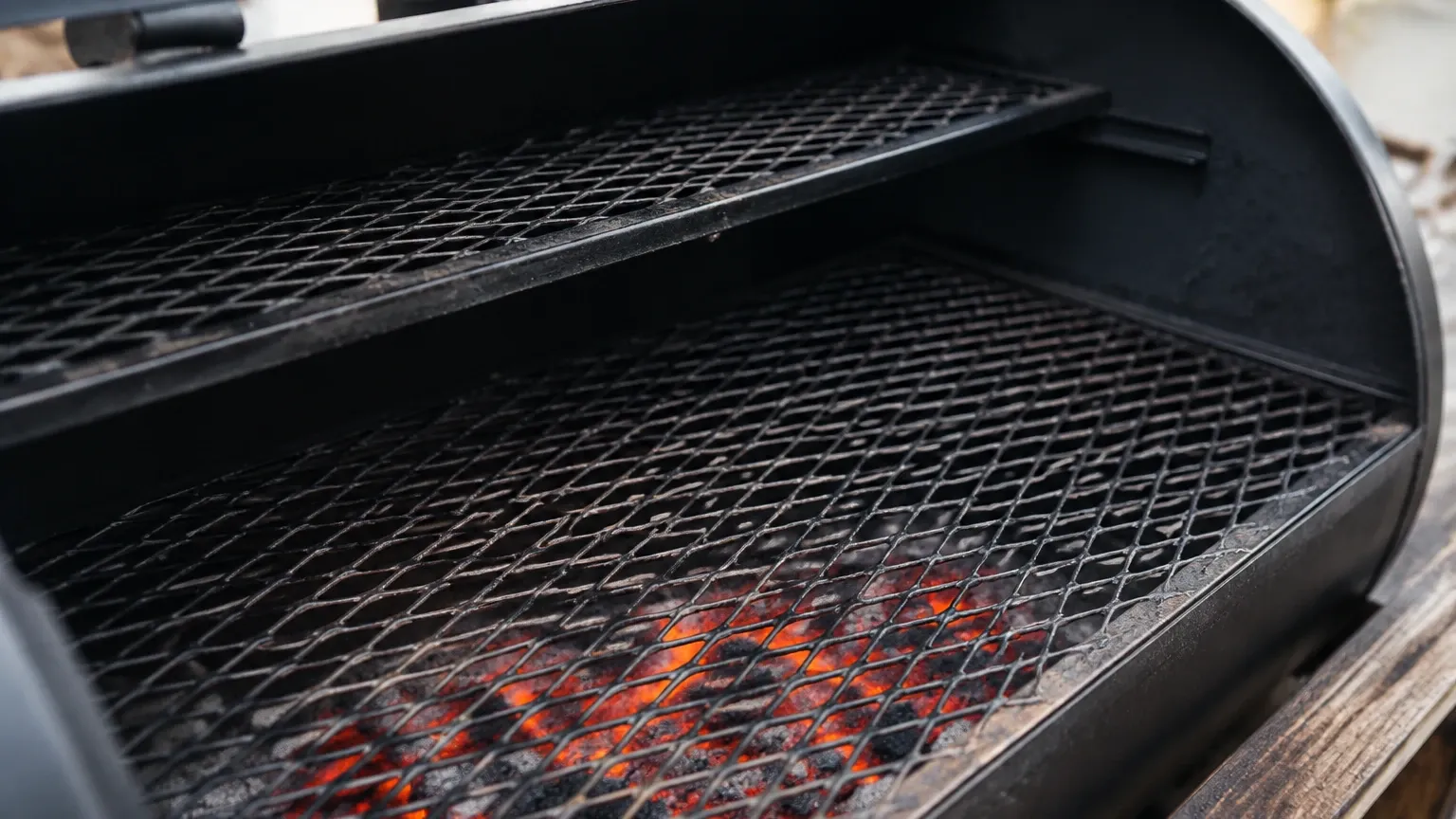
In the realm of industrial food processing and commercial kitchen equipment manufacturing, the selection of surface materials is a critical engineering decision. Expanded metal cooking grates represent a specialized application of Perforated & Expanded Metal technology, offering a unique combination of structural integrity, thermal efficiency, and cost-effectiveness. Unlike traditional wire mesh or solid plate surfaces, expanded metal is produced through a precise slitting and stretching process that creates a continuous, jointless mesh from a single sheet of material.
For engineers and procurement professionals, understanding the technical nuances of expanded metal—from material grades to diamond configurations—is essential for ensuring long-term performance in high-temperature, corrosive, and hygiene-sensitive environments.
The Engineering Behind Expanded Metal
Expanded metal is manufactured by feeding a metal sheet through a machine that simultaneously slits and expands the material. This process does not involve any material loss, making it a highly sustainable and cost-efficient alternative to perforated metal, where the "slugs" or holes represent wasted material.
The resulting diamond-shaped pattern is inherently strong because the strands and bonds (where the strands intersect) are part of a single piece of metal. This lack of welds or joints is particularly advantageous for expanded metal cooking grates, as it eliminates potential points of failure and areas where bacteria or food particles could become trapped.
Raised vs. Flattened Expanded Metal
When specifying expanded metal for cooking surfaces, the primary choice is between "raised" and "flattened" profiles:
1. Raised Expanded Metal: This is the standard form as it comes off the machine. The strands are set at an angle to the plane of the sheet. While this provides excellent grip and high structural rigidity, the angular edges can be difficult to clean in a food-service context. It is often used for heavy-duty industrial smoking racks or fire pits where surface smoothness is less critical.
2. Flattened Expanded Metal: This material undergoes an additional cold-rolling process that flattens the strands and bonds into the same plane. This creates a smooth, level surface that is much easier to clean and prevents delicate food products from sticking or tearing. For most commercial expanded metal cooking grates, flattened stainless steel is the industry standard.
Material Selection for Food-Grade Applications
The choice of alloy is perhaps the most significant factor in the lifespan and safety of a cooking grate. While carbon steel is common in low-cost outdoor applications, industrial and commercial sectors almost exclusively require stainless steel due to its resistance to oxidation and chemical cleaners.
Stainless Steel 304 (SS304)
SS304 is the most common grade used for cooking grates. It offers excellent corrosion resistance and can withstand the thermal cycling typical of industrial ovens and grills. It is highly weldable and maintains its structural integrity at temperatures up to 870°C (1600°F), though prolonged use at these extremes may lead to surface scaling.
Stainless Steel 316 (SS316)
In environments involving high salt content or acidic marinades, SS316 is the preferred choice. The addition of molybdenum provides superior resistance to chloride-induced pitting. For marine-grade cooking equipment or high-volume food processing plants using aggressive sanitation chemicals, SS316 ensures a longer replacement cycle.
Carbon Steel
While susceptible to rust, carbon steel is sometimes used in heavy-duty industrial smokers where the grate is constantly "seasoned" with oils. However, for B2B applications requiring compliance with strict hygiene standards (such as FDA or EHEDG guidelines), stainless steel remains the authoritative choice.
Technical Specifications and Evaluation Criteria
When ordering expanded metal cooking grates, engineers must specify several geometric variables to ensure the grate meets the load-bearing and airflow requirements of the application.
* LWD and SWD: Long Way of the Diamond (LWD) and Short Way of the Diamond (SWD) define the size of the opening. A smaller SWD provides more support for small food items, while a larger LWD/SWD ratio increases the open area for better heat convection.
* Strand Width and Thickness: These dimensions determine the strength of the grate. Thicker strands increase the weight-bearing capacity but also increase the thermal mass, which may affect pre-heating times.
* Percentage of Open Area: This is a critical metric for airflow and heat distribution. A higher open area percentage allows for faster cooking and better smoke penetration, which is vital in industrial smoking and dehydrating processes.
* Edge Finishing: Raw expanded metal has sharp "cams" or edges. For safety and hygiene, these grates are typically framed with U-edging or flat bars to encapsulate the sharp points and provide a rigid mounting point.
Performance Expectations and Thermal Dynamics
Expanded metal cooking grates excel in thermal management. Because the material is a continuous piece of metal, heat is conducted evenly across the entire surface, reducing the risk of localized hot spots that are common with thin wire grates.
Furthermore, the diamond pattern creates a specific turbulence in the rising hot air or smoke, which can lead to more uniform cooking in large-scale industrial ovens. Engineers must account for thermal expansion; as the grate heats up, the diamond pattern allows the metal to expand and contract without the warping or buckling that might occur with solid plates or poorly designed weldments.
Hygiene, Maintenance, and Replacement Cycles
In a B2B context, the total cost of ownership is heavily influenced by maintenance requirements. Expanded metal, particularly the flattened variety, is designed for high-pressure washing and chemical sanitation.
Cleaning Considerations
* Passivation: After fabrication and welding, stainless steel grates should undergo passivation. This chemical process removes free iron from the surface and enhances the protective chromium oxide layer, ensuring the grate remains rust-free even after repeated exposure to moisture and heat.
* Electropolishing: For high-end pharmaceutical or food-grade applications, electropolishing the expanded metal can further improve cleanability by removing microscopic surface irregularities where bacteria could colonize.
Replacement Indicators
While stainless steel expanded metal is exceptionally durable, grates should be inspected periodically for:
* Strand Thinning: Over years of use, repeated cleaning and high-heat oxidation can thin the metal strands, reducing structural integrity.
* Stress Cracking: Although rare in jointless expanded metal, extreme thermal cycling can eventually lead to fatigue at the bonds.
* Permanent Deformation: If the grate is overloaded beyond its yield strength at high temperatures, it may develop a permanent sag, necessitating replacement to maintain uniform cooking distances.
Customization and OEM Integration
Most industrial applications require more than just a standard sheet of mesh. Customization is where expanded metal truly shines. Manufacturers like Kaifil provide OEM solutions that integrate the grate into a larger assembly. This includes:
* Custom Dimensions: Precision cutting to fit specific oven racks or conveyor systems.
* Integrated Framing: Welding the expanded metal into heavy-duty frames for easy sliding and removal.
* Multi-Layer Configurations: Using different grades of Perforated & Expanded Metal to create tiered cooking or filtration systems.
* Surface Coatings: While stainless steel is usually left bare, some applications may require non-stick coatings or specialized finishes to meet specific food processing needs.
Conclusion: Selecting the Right Solution
Choosing the correct expanded metal cooking grates involves balancing material costs, structural requirements, and hygiene standards. For engineers, the priority is often the material's ability to withstand harsh industrial environments while providing a consistent thermal interface for food products.
Before finalizing a specification, it is recommended to confirm the following with your manufacturer:
1. Material Certification: Ensure the stainless steel meets the required ASTM or ISO standards for food contact.
2. Load Calculations: Confirm that the selected gauge and diamond size can support the maximum intended weight at operating temperatures.
3. Finishing Standards: Specify the level of deburring and edge treatment required to ensure operator safety and ease of cleaning.
By focusing on these technical parameters, procurement teams can secure filtration and cooking components that offer superior longevity and performance, ultimately reducing downtime and maintenance costs in the production cycle.
