


Expanded Metal Gauges
In industrial filtration and structural engineering, selecting the correct material specifications is critical to ensuring the longevity and efficiency of a system. When dealing with Perforated & Expanded Metal, understanding expanded metal gauges is one of the most fundamental steps in the design and procurement process. Unlike woven wire mesh, where mesh count and wire diameter are the primary metrics, expanded metal relies on a combination of base material thickness (gauge), strand width, and the geometry of the openings to define its performance characteristics.
For engineers and technical buyers, the term "gauge" can sometimes be a source of confusion because it refers to the thickness of the metal sheet before the expansion process. At Kaifil, where we specialize in precision stainless steel filtration components, we emphasize that the gauge of the material directly dictates the mechanical strength, weight, and flow resistance of the final product. This guide provides a technical deep dive into expanded metal gauges, their relationship to industrial applications, and the engineering considerations necessary for optimal selection.
Defining the Technical Parameters of Expanded Metal
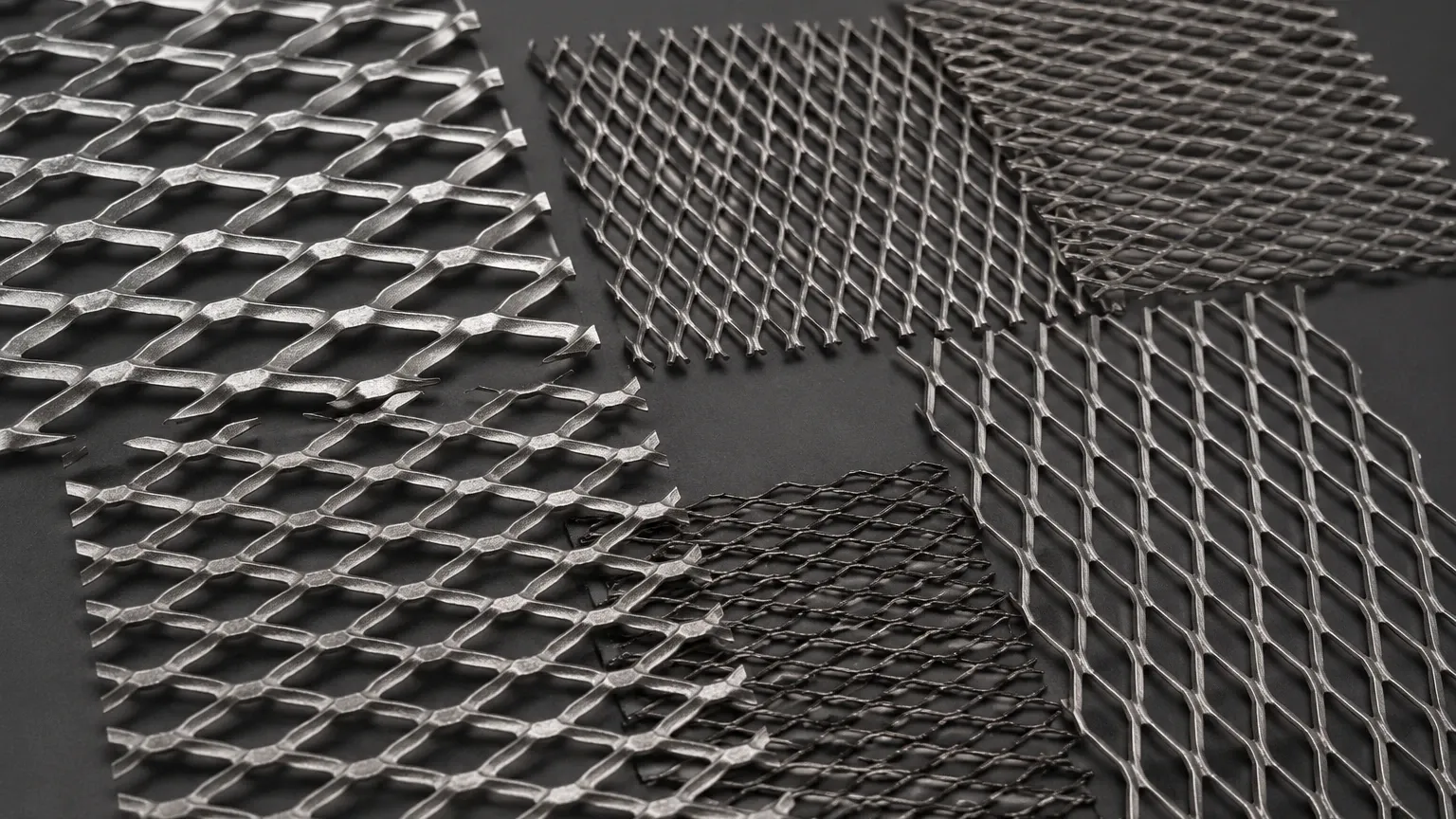
To understand how expanded metal gauges function, it is necessary to look at the geometry created during the manufacturing process. Expanded metal is produced by simultaneously slitting and stretching a solid sheet of metal. This process creates a diamond-shaped pattern without any waste of material, unlike perforation which involves punching out holes.
Gauge and Strand Thickness
In the context of expanded metal, the "gauge" refers to the thickness of the original sheet. For example, a 16-gauge stainless steel sheet will result in an expanded metal product where the strand thickness is approximately 0.0598 inches (standard for stainless steel). It is important to note that the "strand thickness" remains the same as the original gauge, while the "strand width" is determined by how much the machine feeds the metal forward between each slit.
SWD and LWD
* SWD (Short Way of Design): The distance from the center of one bond to the center of the next bond across the short axis of the diamond.
* LWD (Long Way of Design): The distance from the center of one bond to the center of the next bond across the long axis of the diamond.
The relationship between the gauge and these dimensions determines the percentage of open area, which is a critical factor for flow rates in filtration and ventilation applications.
Standard vs. Flattened Expanded Metal Gauges
One of the most significant distinctions engineers must make when specifying expanded metal gauges is whether the application requires "Standard" (Raised) or "Flattened" metal.
Standard (Raised) Expanded Metal
In its standard form, expanded metal comes off the machine with the strands and bonds set at a sharp angle to the plane of the sheet. This creates a three-dimensional surface that offers high strength-to-weight ratios and excellent grip. In filtration, standard expanded metal is often used as a support cage or a pre-filter layer because the angled strands can help break up flow turbulence. When specifying gauges for standard expanded metal, the thickness is equal to the original sheet gauge.
Flattened Expanded Metal
Flattened expanded metal is produced by passing standard expanded metal through a cold-roll reducing mill. This process flattens the strands and bonds into a single plane, resulting in a smooth, flat surface. While this makes the material thinner than the standard version, the gauge remains technically defined by the starting material. However, the flattening process can slightly increase the overall dimensions (LWD and SWD) and may reduce the mechanical rigidity compared to the raised version. For precision filtration assemblies, flattened expanded metal is often preferred because it provides a uniform surface for bonding or welding to other filter media.
The Role of Material Selection in Gauge Performance
While the numerical gauge value defines the thickness, the material properties of the metal itself are equally important. At Kaifil, we focus on stainless steel (typically 304, 316, or 316L) due to its superior corrosion resistance and thermal stability.
Stainless Steel Gauges
Stainless steel expanded metal is often specified in gauges ranging from 10 ga (approx. 0.135") down to 22 ga (approx. 0.030"). Thicker gauges (10-14 ga) are typically utilized in heavy-duty industrial strainers, baskets, and structural supports for high-pressure hydraulic filters. Thinner expanded metal gauges (18-22 ga) are more common in fine filtration supports, flame arrestors, and decorative architectural panels.
Carbon Steel and Aluminum
While stainless steel is the standard for chemical processing and food-grade applications, carbon steel is used where cost is a primary factor and corrosion is not a risk. Aluminum expanded metal offers a lightweight alternative but has a different gauge-to-thickness conversion chart than steel. Engineers must ensure they are using the correct gauge table for the specific alloy being used to avoid structural failures.
Engineering Considerations for Gauge Selection
Choosing the right expanded metal gauges involves balancing several competing factors. An engineer must look beyond simple dimensions to consider the total cost of ownership and the operational environment.
1. Mechanical Strength and Pressure Differential
In filtration systems, the expanded metal often acts as a support for a finer wire mesh or synthetic media. If the gauge is too thin, the material may deform under high pressure differentials (ΔP), leading to the collapse of the filter element. Conversely, over-engineering with an excessively thick gauge increases the weight and cost of the component without providing additional functional benefits.
2. Percentage of Open Area
The gauge and the strand width together determine the open area. A higher gauge (thinner metal) with narrow strands allows for a larger open area, which reduces pressure drop across the filter. In high-flow applications, maximizing the open area while maintaining structural integrity is the primary design goal. Engineers should calculate the required flow velocity to determine if a specific gauge and diamond pattern will cause unwanted restriction.
3. Corrosion and Erosion Allowance
In aggressive chemical environments or applications involving abrasive particles, the thickness of the metal—defined by the gauge—acts as a sacrificial barrier. A thicker gauge provides a longer service life before the structural integrity of the filter is compromised by corrosion or mechanical wear. This is particularly relevant in the chemical processing and water treatment sectors where Kaifil’s stainless steel solutions are frequently deployed.
4. Weldability and Fabrication
Thinner expanded metal gauges require specialized welding techniques, such as TIG (Tungsten Inert Gas) or spot welding, to prevent burn-through. If the expanded metal is to be integrated into a larger assembly with heavy structural frames, selecting a gauge that is compatible with the welding parameters of the frame is essential for a robust bond.
Common Risks of Incorrect Gauge Specification
Failure to accurately define expanded metal gauges during the design phase can lead to several industrial risks:
* Vibration Fatigue: In high-velocity gas or liquid streams, thin-gauge expanded metal may suffer from flow-induced vibration. Over time, this leads to fatigue cracking at the bonds, potentially releasing metal fragments into the downstream flow.
* Bypassing: If an expanded metal support layer deforms due to insufficient gauge thickness, it can create gaps between the filter media and the housing, allowing unfiltered fluid to bypass the system.
* Increased Maintenance Costs: Selecting a gauge that is too light for the application may result in shorter replacement cycles, increasing the total cost of operation and causing frequent downtime.
Technical Checklist for Purchasing Expanded Metal
When requesting a quote or designing a component involving expanded metal gauges, engineers should confirm the following technical details to ensure the product meets application requirements:
1. Material Type: Specify the exact grade (e.g., SS316L, SS304, Aluminum 5052).
2. Style: Indicate whether the material should be "Standard" (Raised) or "Flattened."
3. Gauge/Thickness: Provide the decimal thickness or the specific gauge number relevant to the material type.
4. Diamond Dimensions: Define the SWD and LWD requirements.
5. Strand Width: Specify the width of the metal strands.
6. Sheet Size and Orientation: State the required dimensions and whether the LWD should run parallel or perpendicular to the length of the sheet.
7. Tolerances: Define acceptable variations in thickness and diamond size, especially for precision-fit components.
Conclusion
Expanded metal gauges are a cornerstone of industrial design, influencing everything from the structural stability of a filter cartridge to the flow dynamics of a chemical reactor. By understanding the nuances of gauge thickness, the differences between standard and flattened styles, and the impact of material selection, engineers can specify components that offer the perfect balance of performance and durability.
At Kaifil, we combine manufacturing expertise with deep engineering knowledge to provide customized filtration solutions. Whether you are designing a high-pressure hydraulic filter or a precision pharmaceutical strainer, selecting the right Perforated & Expanded Metal is essential. Our team works closely with global clients to ensure that every gauge and strand dimension is optimized for the specific demands of their industrial environment, resulting in reliable, cost-effective, and high-performance filtration components.
