


Expanded Metal Kansas City
For industrial engineers and procurement specialists operating in the Kansas City metropolitan area, the selection of filtration and structural components is a critical factor in maintaining operational efficiency. As a regional hub for food processing, chemical manufacturing, and heavy industrial logistics, Kansas City requires high-performance materials that can withstand rigorous environmental demands. Among these materials, expanded metal stands out as a versatile and cost-effective solution for filtration, security, and structural support.
When evaluating Perforated & Expanded Metal for industrial applications, it is essential to understand the technical nuances that differentiate these products. While both offer open-area functionality, the manufacturing processes and mechanical properties of expanded metal provide unique advantages in specific filtration and engineering contexts. This guide explores the technical specifications, application logic, and selection criteria necessary for sourcing expanded metal in Kansas City’s industrial landscape.
The Role of Expanded Metal in Industrial Filtration
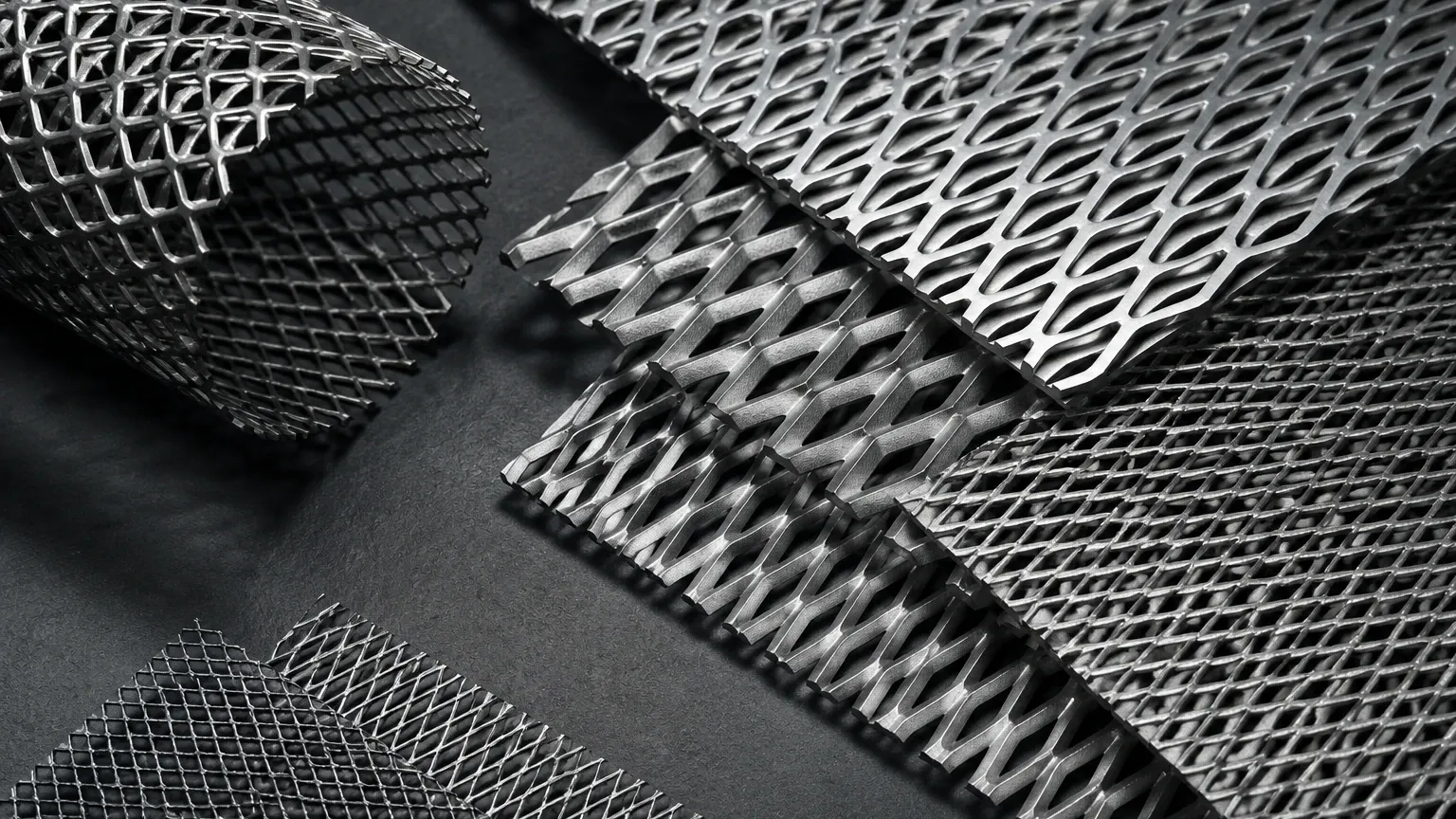
Expanded metal is produced by simultaneously slitting and stretching a single sheet of metal, typically stainless steel, to create a uniform diamond-shaped pattern. Unlike perforated metal, which involves punching holes and generating scrap waste, the expansion process is a zero-waste manufacturing method. This makes it an inherently resource-efficient choice for large-scale industrial projects.
In the context of filtration, expanded metal serves two primary roles: as a primary filter medium for coarse particles and as a structural support layer for finer wire mesh filters. In Kansas City’s water treatment and chemical processing facilities, expanded metal is often utilized to provide the rigidity necessary to withstand high-pressure differentials. Without the structural integrity of a heavy-duty expanded metal cylinder or panel, finer filtration layers could collapse under the force of the fluid stream.
Furthermore, the "raised" nature of standard expanded metal creates a three-dimensional surface that can help disrupt laminar flow, encouraging turbulence that can be beneficial in certain mixing or heat exchange applications. For filtration systems requiring a smooth surface, "flattened" expanded metal is processed through a cold-rolling mill to reduce thickness and provide a level plane, ensuring compatibility with delicate filter membranes.
Technical Specifications: SWD, LWD, and Strand Geometry
To accurately specify expanded metal for a project, engineers must move beyond generic descriptions and focus on precise geometric measurements. The performance of the material in a filtration or venting system is dictated by four primary variables:
1. SWD (Short Way of Design): The distance from the center of one bond to the center of the next bond measured across the short diamond diagonal.
2. LWD (Long Way of Design): The distance from the center of one bond to the center of the next bond measured across the long diamond diagonal.
3. Strand Width: The amount of metal fed into the expanding machine between the slits.
4. Strand Thickness: The original thickness of the base metal sheet.
For Kansas City-based manufacturers specializing in hydraulic systems or air intake filtration, the ratio between the SWD and LWD determines the percentage of open area. A higher open-area percentage allows for greater flow rates and lower pressure drops, but it may sacrifice structural strength. Conversely, a tighter mesh with thicker strands provides superior protection against mechanical impact and debris but requires more energy to push fluids through the system. Selecting the right balance is a matter of calculating the specific flow requirements and mechanical stresses of the application.
Comparing Perforated & Expanded Metal for Kansas City Operations
When sourcing materials for industrial equipment, the choice between perforated and expanded metal often comes down to the specific requirements of the environment. In Kansas City’s diverse industrial sector, both materials have their place, but their mechanical behaviors differ significantly.
Perforated Metal is characterized by high precision. Because it is manufactured via CNC punching, the hole shapes (round, square, slotted) and spacing can be controlled with extreme accuracy. This is vital for applications requiring a specific micrometer rating or aesthetic consistency. However, the punching process removes material, which can lead to higher costs for premium alloys like 316L stainless steel.
Expanded Metal, by contrast, offers a higher strength-to-weight ratio. Because the strands remain interconnected without the breaks found in a punched sheet, the material distributes loads more effectively. For Kansas City’s heavy machinery and agricultural equipment manufacturers, expanded metal is often the preferred choice for guards, grilles, and heavy-duty filter cages where durability is paramount. Additionally, the lack of waste in the expansion process makes it a more economical choice for large-surface-area applications, such as architectural facades or large-scale industrial screening.
Material Science: Why Stainless Steel Dominates Industrial Applications
While expanded metal can be produced from aluminum, carbon steel, or copper, stainless steel remains the gold standard for industrial filtration in the Kansas City region. The local chemical and food processing industries demand materials that can resist corrosion and withstand aggressive cleaning cycles.
* Grade 304 Stainless Steel: This is the most common grade used in Kansas City for general industrial applications. It offers excellent corrosion resistance and formability, making it suitable for air filtration and protective screening.
* Grade 316L Stainless Steel: For applications involving high-salinity environments, corrosive chemicals, or pharmaceutical production, 316L is the preferred choice. The addition of molybdenum provides superior resistance to pitting and crevice corrosion, which is essential for the longevity of filtration components in harsh chemical environments.
Using stainless steel also ensures that the filtration components are "food-safe" and meet the hygiene standards required by the FDA and other regulatory bodies active in the Kansas City food manufacturing corridor. The ability to undergo ultrasonic cleaning or high-pressure steam sterilization without degrading the material's structural integrity is a key factor in reducing the total cost of ownership.
Customization and OEM Solutions for Local Engineering Teams
Off-the-shelf expanded metal products rarely meet the exacting needs of specialized industrial machinery. For engineers in Kansas City, working with a manufacturer that offers OEM and customized filtration solutions is vital. Customization allows for the optimization of filtration accuracy and structural performance tailored to a specific machine's footprint.
Customization options include:
* Variable Mesh Sizes: Adjusting the SWD and LWD to achieve specific filtration cut-offs.
* Custom Edge Treatments: Providing finished edges or solid borders to facilitate easier installation and welding into larger assemblies.
* Specialized Coatings: While stainless steel is inherently resistant, certain applications may benefit from electro-polishing to reduce surface roughness and prevent particle adhesion.
* Forming and Fabrication: Supplying expanded metal already rolled into cylinders, pleated for increased surface area, or cut into precision discs.
By collaborating during the design phase, Kansas City engineering teams can ensure that the Perforated & Expanded Metal components they integrate into their systems are optimized for both performance and manufacturability, reducing downstream assembly costs.
Total Cost of Ownership and Maintenance Schedules
When procurement teams in Kansas City evaluate suppliers for expanded metal, the initial purchase price is only one part of the equation. The total cost of ownership (TCO) includes the lifespan of the filter, the frequency of maintenance, and the potential costs associated with system downtime.
Expanded metal filters are known for their durability, but they are not immune to fouling. In Kansas City’s industrial water treatment plants, for example, the buildup of mineral scale or biological matter can increase the pressure drop across the filter. Implementing a regular maintenance schedule—including backwashing or chemical cleaning—can significantly extend the life of the component.
Engineers should confirm the following before finalizing a purchase:
* Compatibility: Is the alloy compatible with the fluids and temperatures of the process?
* Replacement Cycles: Based on the particulate load, how often will the filter need to be serviced or replaced?
* Structural Limits: What is the maximum allowable pressure drop before the expanded metal risks deformation?
Choosing high-quality stainless steel expanded metal from a specialized manufacturer like Kaifil ensures that these components provide reliable service over years of operation, rather than months. This reliability is essential for Kansas City businesses that operate 24/7 and cannot afford frequent unscheduled maintenance stops.
Conclusion: Sourcing Expanded Metal for Kansas City Projects
Sourcing expanded metal in Kansas City requires a technical approach that prioritizes material quality, geometric precision, and application-specific design. Whether you are designing a new filtration system for a chemical plant or upgrading the protective grilles on industrial machinery, understanding the mechanical advantages of expanded metal is the first step toward a successful project.
By focusing on stainless steel grades, precise SWD/LWD specifications, and the benefits of OEM customization, Kansas City engineers can achieve a balance of performance and cost-efficiency. For those seeking high-performance filtration components and precision metal solutions, it is essential to partner with a manufacturer that understands the nuances of industrial filtration and the demanding environments of modern manufacturing.
To explore specific configurations and technical data for your next project, Review product options and application support to ensure your filtration solutions meet the highest standards of durability and precision.
