


Expanded Metal Kenya
In the evolving industrial landscape of East Africa, the demand for high-performance materials has surged, particularly within Kenya’s manufacturing, food processing, and water treatment sectors. Among these materials, expanded metal stands out as a versatile and cost-effective solution for structural, filtration, and protective applications. For engineers and procurement specialists sourcing expanded metal Kenya, understanding the technical nuances of the material—from its manufacturing process to its specific performance characteristics—is essential for ensuring long-term operational efficiency.
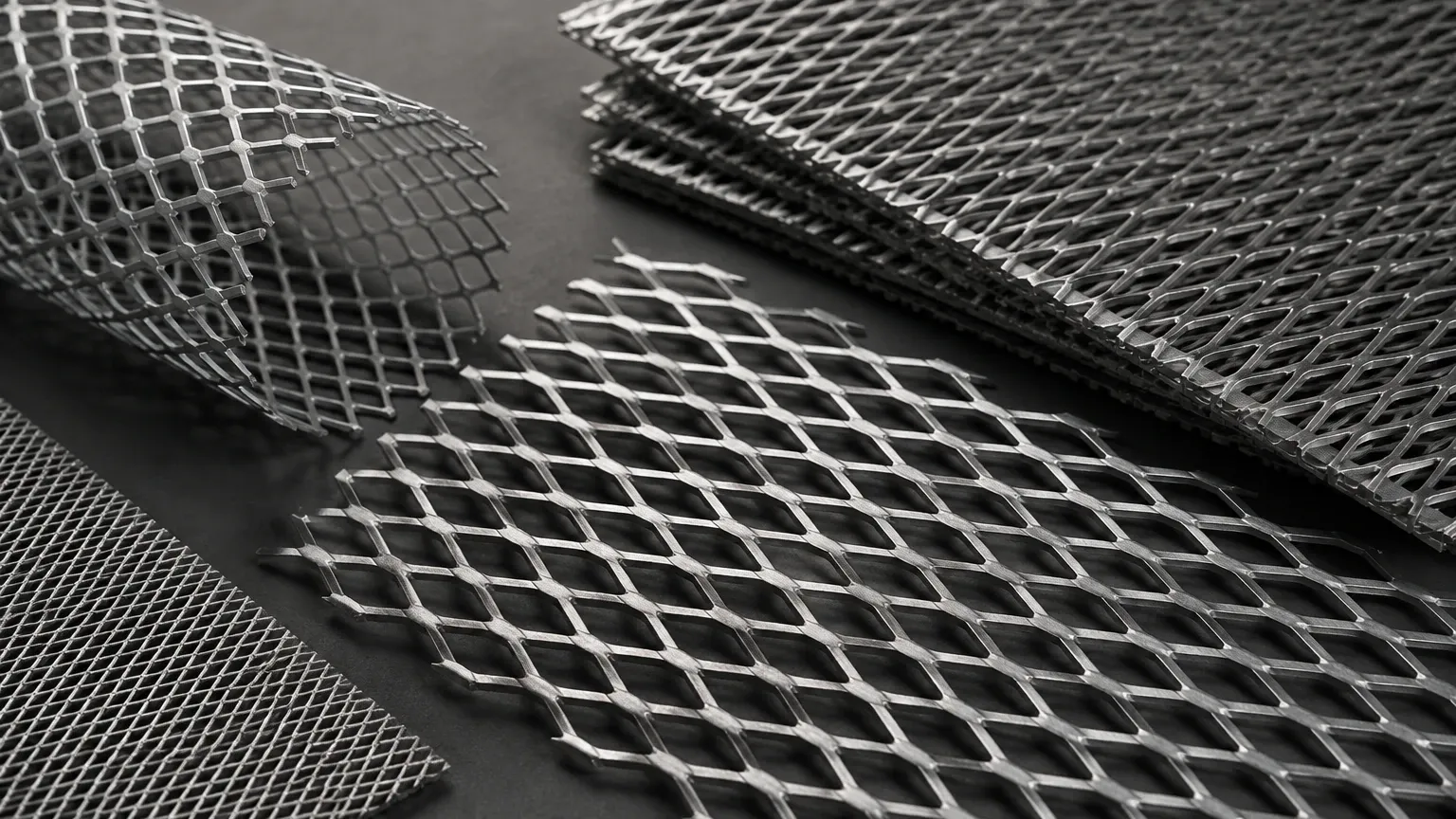
Expanded metal is produced by simultaneously slitting and stretching a solid metal sheet, creating a continuous mesh with diamond-shaped openings. Unlike perforated metal, which involves punching out holes and creating scrap material, the expanded metal process is a "no-waste" manufacturing method. This efficiency not only reduces material costs but also preserves the structural integrity of the metal, as the strands remain part of a solid piece of material without welds or joints.
Technical Specifications and Engineering Considerations
When specifying expanded metal for industrial projects in Kenya, technical professionals must evaluate several key parameters that dictate the material's suitability for a given environment. The geometry of the mesh is defined by four primary measurements:
1. SWD (Short Way of Design): The distance from the center of one bond to the center of the next bond across the short diamond axis.
2. LWD (Long Way of Design): The distance from the center of one bond to the center of the next bond across the long diamond axis.
3. Strand Width: The amount of metal fed into the expanding machine for each stroke.
4. Strand Thickness: The original thickness of the base metal sheet.
Beyond these dimensions, engineers must choose between "Raised" (or Standard) and "Flattened" expanded metal. Raised expanded metal features strands that are turned at an angle to the plane of the sheet, providing a high strength-to-weight ratio and excellent anti-slip properties. Flattened expanded metal is cold-rolled after the expansion process, resulting in a smooth, level surface ideal for applications where a flat profile is required, such as in filtration support or shelving.
Material Selection for the Kenyan Industrial Environment
Material selection is perhaps the most critical factor in determining the lifespan of expanded metal components. In Kenya, where industrial sites may range from the humid coastal regions of Mombasa to the high-altitude processing zones of Nairobi and the Rift Valley, corrosion resistance is a primary concern.
* Stainless Steel (304 and 316): For the food and beverage, pharmaceutical, and chemical industries, stainless steel is the gold standard. SS304 offers excellent resistance to most oxidizing acids, while SS316, which contains molybdenum, provides superior resistance to chlorides and marine environments. These materials are essential for maintaining hygiene standards and preventing product contamination.
* Carbon Steel: Often used in structural applications where cost is a major driver and the environment is relatively dry or the metal can be coated (galvanized or painted).
* Aluminum: Lightweight and naturally corrosion-resistant, aluminum expanded metal is frequently used in architectural applications and specific industrial components where weight reduction is prioritized.
For those seeking specialized solutions, Perforated & Expanded Metal options from Kaifil provide the precision required for high-stakes industrial filtration and separation tasks.
Key Applications in Kenya’s Primary Industries
As Kenya continues to industrialize under various economic development frameworks, expanded metal has found its way into several critical sectors. Its unique combination of transparency, strength, and airflow makes it indispensable in the following areas:
Food and Beverage Processing
Kenya’s agricultural processing sector relies heavily on durable filtration and drying components. Expanded metal is used in the construction of drying trays for tea, coffee, and grains, where the open area of the mesh allows for uniform airflow and moisture removal. In dairy and beverage production, stainless steel expanded metal serves as a support structure for finer filter media or as a primary screen to remove large particulates from process streams.
Water and Wastewater Treatment
With increasing investments in municipal and industrial water treatment across Kenya, expanded metal is widely used for intake screens and coarse filtration. It protects pumps and sensitive downstream equipment from debris. The structural rigidity of expanded metal allows it to withstand significant hydraulic pressure without deforming, making it a reliable choice for long-term infrastructure projects.
Chemical and Petrochemical Sectors
In chemical processing, expanded metal is often utilized as catalyst support grids or as protective guards for high-temperature equipment. The ability to customize the mesh size and material grade ensures that the components can withstand aggressive chemical exposure and thermal cycling.
HVAC and Industrial Ventilation
The need for efficient airflow in industrial facilities is paramount. Expanded metal provides the necessary protection for ventilation openings while maintaining a high percentage of open area, ensuring that machinery remains cool and air quality is managed without significant pressure drops.
Evaluating Performance: Filtration and Structural Integrity
For engineers, the selection of expanded metal Kenya often comes down to a balance between filtration accuracy and structural strength. Unlike wire mesh, which can shift or fray at the edges, expanded metal is a rigid, monolithic structure. This makes it an excellent choice for applications requiring high mechanical stability.
When evaluating filtration performance, the "percentage of open area" is the most relevant metric. This is calculated based on the SWD, LWD, and strand width. A higher open area allows for greater flow rates but may reduce the structural load-bearing capacity. Technical teams must perform flow rate calculations and stress analysis to ensure the chosen mesh can handle the operational demands of the system.
Furthermore, the "bond" (the intersection of two strands) in expanded metal provides inherent strength. Because the metal is not welded, there are no heat-affected zones that could serve as points of failure or corrosion initiation. This makes the material particularly effective in vibrating equipment or high-pressure environments common in Kenyan mining and aggregate processing.
Customization and OEM Solutions
One of the significant advantages of working with a manufacturer like Kaifil is the ability to access customized filtration solutions. Standard off-the-shelf expanded metal may not always meet the precise requirements of a specialized industrial process. Customization options include:
* Specific Alloy Selection: Tailoring the metal grade to the specific chemical profile of the process fluid.
* Custom Mesh Dimensions: Adjusting the SWD and LWD to capture specific particle sizes or to fit unique housing dimensions.
* Post-Processing: Including services such as precision cutting, forming, and welding to provide a ready-to-install component rather than a raw sheet.
For purchasing teams in Kenya, sourcing from a manufacturer with robust OEM capabilities ensures that the components are manufactured to international quality standards, reducing the risk of premature failure and costly downtime.
Total Cost of Ownership and Maintenance
While the initial purchase price is a factor, the total cost of ownership (TCO) should guide procurement decisions for expanded metal Kenya. TCO includes the acquisition cost, installation expenses, maintenance requirements, and the expected replacement cycle.
Stainless steel expanded metal, while carrying a higher upfront cost than carbon steel, often yields a lower TCO due to its longevity and minimal maintenance needs. In the Kenyan industrial context, where lead times for imported specialized parts can be significant, investing in durable materials like SS316 can prevent expensive emergency shutdowns.
Maintenance for expanded metal is generally straightforward. In filtration applications, the smooth surface of flattened expanded metal is easier to clean via backwashing or manual scrubbing compared to woven wire mesh, which can trap particles in the intersections of the wires. Regular inspection for signs of erosion or chemical pitting is recommended, especially in high-velocity flow environments.
Conclusion: Sourcing the Right Material
Navigating the complexities of industrial filtration and structural support requires a deep understanding of material science and engineering principles. For those looking to optimize their operations with expanded metal Kenya, the focus should remain on technical precision and material compatibility. By selecting the appropriate grade, mesh geometry, and finish, engineers can ensure that their systems operate at peak efficiency with minimal environmental impact.
Whether the application is a coarse screen for a water treatment plant in Kisumu or a high-precision catalyst support for a refinery, the choice of expanded metal plays a pivotal role in the success of the project. Partnering with a manufacturer that understands these technical requirements is the first step toward achieving reliable and cost-effective filtration performance.
