


Expanded Metal Lath for Stucco
In industrial and commercial construction, the integrity of an exterior finish is only as reliable as the substrate that supports it. For stucco applications, expanded metal lath serves as the critical structural reinforcement, providing the necessary mechanical bond to ensure the plaster remains adhered to the building envelope. Selecting the correct Perforated & Expanded Metal components requires an understanding of material science, load-bearing requirements, and environmental exposure factors.
As a manufacturer specializing in precision metal filtration and industrial components, Kaifil provides high-performance metal solutions designed to meet the rigorous demands of modern engineering. This guide examines the technical specifications, selection criteria, and performance expectations for expanded metal lath for stucco, helping engineers and procurement teams optimize their filtration and structural support systems.
The Engineering Role of Expanded Metal Lath
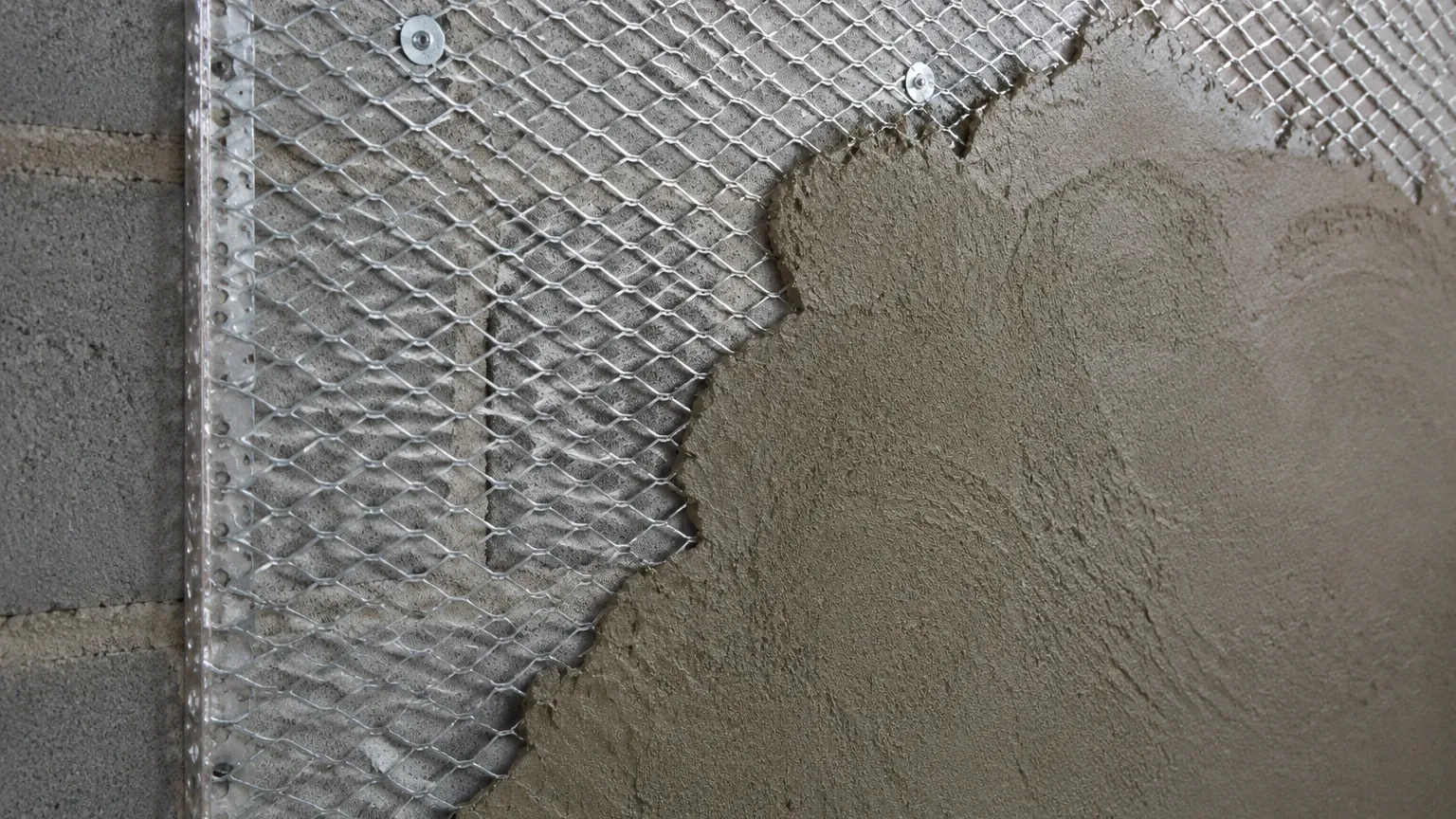
Expanded metal lath is produced by slitting and stretching a solid metal sheet—typically galvanized steel or stainless steel—to create a uniform diamond-shaped pattern. Unlike woven wire mesh, expanded metal is a single-piece construction without welds or joints, which provides superior structural integrity and stress distribution.
In a stucco system, the lath performs three primary functions:
1. Mechanical Keying: The diamond-shaped openings allow the stucco or plaster to squeeze through the mesh during application. Once the plaster hardens, it forms a "key" or a physical lock around the metal strands.
2. Reinforcement: It acts as a reinforcement matrix, distributing thermal and structural stresses across the entire surface area to minimize localized cracking.
3. Substrate Uniformity: It provides a consistent surface over varied substrates, such as wood framing, steel studs, or masonry, ensuring a level finish.
Technical Specifications and Weight Classifications
When specifying expanded metal lath for stucco, engineers must consider the weight and gauge of the material. In the United States and international markets, lath is generally categorized by its weight per square yard. The most common classifications include:
* 2.5 lb/yd²: A lightweight lath used primarily for interior applications or flat exterior surfaces where minimal structural stress is expected.
* 3.4 lb/yd²: The standard for most exterior stucco applications. This weight provides the necessary stiffness to prevent sagging during the application of the scratch coat.
* Specialized Heavy Gauges: For industrial environments or high-impact areas, heavier gauges may be required to resist deformation under mechanical loads.
At Kaifil, our manufacturing processes ensure that the strand width and opening size are precisely controlled. For stucco applications, the diamond openings are typically 1/4" x 1/2" or 5/16" x 9/16", providing the optimal balance between open area for keying and metal surface for reinforcement.
Types of Expanded Metal Lath for Stucco
Not all expanded metal is suitable for every stucco application. The choice of lath type depends on the substrate and the desired thickness of the plaster system.
1. Flat Diamond Mesh Lath
This is the most common form of expanded metal lath. It is used over solid substrates where the lath can be fastened directly. However, if applied to a smooth surface without furring, the plaster cannot properly key behind the mesh.
2. Self-Furring Lath
Self-furring lath is engineered with "dimples" or embossed V-grooves that hold the mesh approximately 1/4 inch away from the substrate. This gap is essential because it allows the stucco to completely embed the lath, ensuring the metal is encapsulated within the plaster. This prevents the metal from being exposed to air and moisture at the back, which is a common cause of premature corrosion.
3. Paper-Backed Lath
In many residential and commercial projects, expanded metal lath is supplied with a factory-applied asphalt-saturated kraft paper. This serves as a moisture barrier and prevents the wet plaster from bonding to the weather-resistive barrier (WRB), allowing for a small drainage plane behind the stucco.
4. Rib Lath
For ceiling applications or spans where the framing members are spaced further apart (e.g., 19 or 24 inches on center), rib lath is used. It features longitudinal ribs that provide extra stiffness, preventing the mesh from flexing under the weight of the wet plaster.
Material Selection: Stainless Steel vs. Galvanized Steel
One of the most critical decisions for an engineer is material selection. While galvanized steel is the industry standard for many applications, it may not be sufficient for demanding industrial or coastal environments.
Galvanized Steel
Most expanded metal lath for stucco is made from G60 or G90 galvanized steel. The zinc coating provides sacrificial protection against oxidation. However, in environments with high humidity or salt spray, the zinc layer eventually depletes, leading to "rust bleed"—unsightly brown stains on the stucco surface—and eventual structural failure of the lath.
Stainless Steel (Grade 304 and 316)
For high-performance applications, Kaifil recommends stainless steel expanded metal.
* Grade 304: Offers excellent corrosion resistance for most industrial environments.
* Grade 316: Contains molybdenum, providing superior resistance to chlorides and marine environments.
Using stainless steel lath significantly extends the service life of the stucco system and reduces the total cost of ownership by eliminating the need for premature repairs or replacement due to corrosion. In chemical processing plants or facilities with frequent wash-downs, stainless steel is the only viable long-term solution.
Installation Fundamentals and Engineering Considerations
Proper installation is as important as material selection. When reviewing installation plans, engineers should confirm the following technical details:
* Overlap Requirements: Lath should be overlapped by at least 1 inch on the sides and 1 inch at the ends (lap joints). This ensures continuity of the reinforcement.
* Fastening Patterns: Fasteners must be driven into structural members (studs), not just the sheathing. The spacing of fasteners (typically 6-7 inches vertically) is critical to prevent the lath from pulling away under the weight of the stucco.
* Orientation: Expanded metal lath has a specific orientation. It should be installed with the "small diamonds" pointing up, which helps hold the wet plaster in place during the initial application (the scratch coat).
* Control Joints: To manage thermal expansion and contraction, control joints must be integrated into the lath system. The lath should be cut behind the control joint to allow for independent movement of the stucco panels.
Common Risks and Mitigation Strategies
Failure to properly specify or install expanded metal lath can lead to several systemic issues:
1. Delamination: If the lath is not properly furred out, the stucco will only stick to the front of the mesh rather than locking around it. This leads to delamination, where the stucco shell separates from the building.
2. Cracking: Insufficient lath weight or poor overlapping leads to stress concentrations. Cracks in stucco allow water to penetrate the building envelope, potentially causing rot in the underlying structure.
3. Oxidation/Rust Bleed: In coastal areas, using standard galvanized lath often results in rust within 5-10 years. Engineers should specify stainless steel or high-grade coatings in these zones.
Customization and OEM Solutions from Kaifil
As a manufacturer, Kaifil understands that standard off-the-shelf products do not always meet the needs of specialized industrial projects. We offer customization options for Perforated & Expanded Metal that go beyond standard construction lath.
Whether your application requires specific alloy grades, non-standard diamond dimensions for specialized filtration-integrated stucco, or custom sheet sizes to reduce on-site waste, our engineering team works closely with clients to develop solutions that meet exact performance specifications. Our expertise in stainless steel fabrication ensures that our products maintain their structural integrity even in the most demanding chemical and industrial environments.
Conclusion: Selecting for Longevity
Expanded metal lath for stucco is more than just a mesh; it is a precision-engineered component that determines the durability of the entire exterior wall assembly. By focusing on material grade, weight, and the mechanics of the mechanical bond, engineers can specify systems that withstand the test of time.
When planning your next project, consider the environmental stresses and the required lifespan of the facility. For environments where reliability is non-negotiable, stainless steel expanded metal provides the highest level of protection against corrosion and structural failure.
For technical consultations regarding material compatibility, custom dimensions, or high-volume procurement of expanded metal components, Kaifil provides the manufacturing expertise and engineering support necessary to ensure your project's success. Investing in high-quality lath is a fundamental step in achieving efficient, durable, and cost-effective filtration and structural performance.
