


Expanded Metal Lawn Furniture
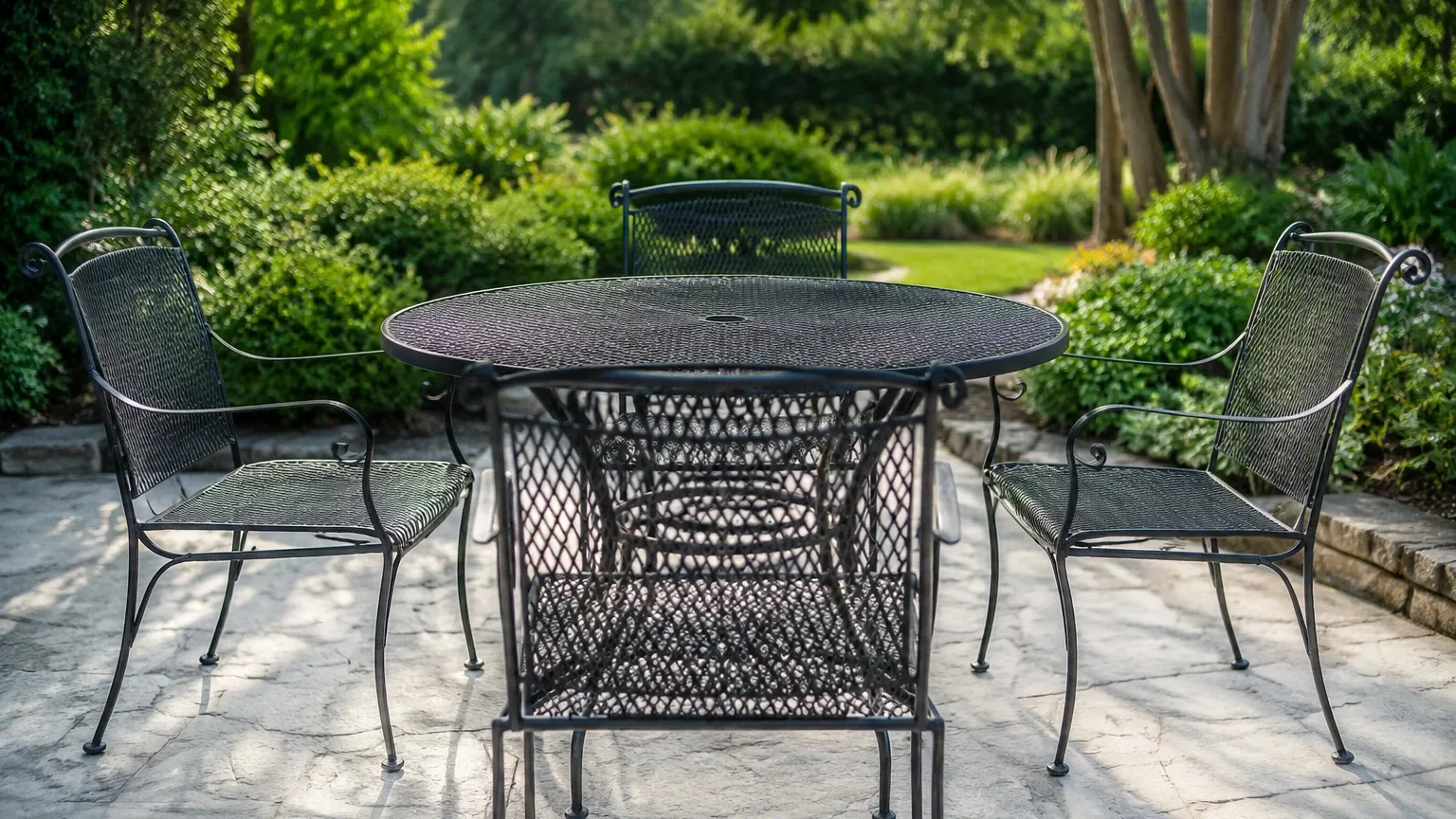
In the realm of commercial and industrial outdoor infrastructure, the selection of materials for seating and tables is a critical engineering decision. Expanded metal lawn furniture represents a standard in durability, ventilation, and cost-effectiveness for public spaces, corporate campuses, and industrial break areas. Unlike solid sheet metal or wood, expanded metal offers a unique combination of structural integrity and environmental resilience, making it a preferred choice for high-traffic outdoor environments.
For engineers and procurement professionals, understanding the technical nuances of Perforated & Expanded Metal is essential for specifying products that meet long-term performance expectations. This guide explores the manufacturing principles, material science, and design considerations that define high-quality expanded metal furniture for industrial and commercial use.
The Engineering Behind Expanded Metal for Outdoor Applications
Expanded metal is produced through a specific manufacturing process that involves simultaneously slitting and stretching a single sheet of metal. This process creates a diamond-shaped pattern of openings, where the metal strands remain interconnected without the need for welding or mechanical fasteners. This monolithic structure is the primary source of the material's strength.
Strength-to-Weight Ratio
In B2B applications, weight management is often as important as strength. Expanded metal provides a high strength-to-weight ratio because the stretching process increases the overall area of the sheet while maintaining the structural continuity of the original material. For expanded metal lawn furniture, this means the finished product is light enough for manageable installation and relocation but strong enough to withstand significant static and dynamic loads.
Ventilation and Drainage
The open-mesh design is perhaps the most functional aspect of expanded metal in outdoor settings. The diamond-shaped apertures allow for immediate drainage of rainwater and snowmelt, preventing the pooling of liquids that can lead to premature corrosion or slip hazards. Furthermore, the high percentage of open area facilitates airflow, which keeps the seating surfaces cooler in direct sunlight compared to solid metal or plastic alternatives.
Material Selection: Balancing Durability and Cost
The longevity of expanded metal lawn furniture is largely determined by the base material and the environment in which it will be placed. While various metals can be expanded, three primary materials dominate the industrial and commercial sectors.
Carbon Steel
Carbon steel is the most common material for expanded metal furniture due to its excellent structural properties and lower initial cost. However, because carbon steel is highly susceptible to oxidation, it must be treated with robust protective coatings. In most commercial contexts, carbon steel is either hot-dip galvanized or coated with heavy-duty thermoplastic to ensure a service life of 10 to 20 years.
Stainless Steel
For environments characterized by high humidity, coastal salt air, or chemical exposure (such as industrial processing plants), stainless steel is the superior choice. Stainless steel expanded metal offers inherent corrosion resistance without the need for secondary coatings. While the upfront cost is higher, the total cost of ownership is often lower in demanding environments due to the elimination of maintenance and replacement cycles. Grades 304 and 316 are the industry standards for these applications.
Aluminum
Aluminum expanded metal is prized for its lightweight nature and natural resistance to atmospheric corrosion. It is an ideal material for furniture that needs to be moved frequently or for rooftop installations where weight limits are a concern. Aluminum is typically powder-coated to provide additional color options and surface protection.
Technical Specifications: Mesh Patterns and Geometry
When specifying expanded metal for furniture, engineers must define several geometric parameters that affect both the comfort and the safety of the end-user. These specifications are standardized across the industry to ensure consistency.
1. SWD (Short Way of Design): The distance from the center of one bond to the center of the next bond across the short diamond axis.
2. LWD (Long Way of Design): The distance across the long diamond axis.
3. Strand Width and Thickness: These dimensions determine the overall robustness of the mesh. For seating surfaces, a wider strand is often preferred to distribute pressure more evenly across the user's body.
4. Raised vs. Flattened: Expanded metal can be left in its "raised" state, where the strands are at an angle to the plane of the sheet, or it can be "flattened" through a cold-rolling process. Flattened expanded metal is almost always preferred for furniture surfaces to ensure a smooth, snag-free contact area.
Surface Treatments and Protective Coatings
Because expanded metal lawn furniture is exposed to the elements 24/7, the surface treatment is the first line of defense against degradation. There are three primary coating technologies used in the industry today.
Thermoplastic Coating
Thermoplastic (usually polyethylene or PVC) is the gold standard for commercial expanded metal furniture. The metal components are dipped into a fluidized bed of plastic powder, creating a thick, resilient layer that is bonded to the metal. This coating is UV-stable, impact-resistant, and comfortable to the touch. It also prevents the "cold metal" feel in winter and the "scalding" feel in summer.
Powder Coating
Powder coating provides a hard, durable finish that is available in a wide array of colors. While thinner than thermoplastic, high-quality powder coatings offer excellent resistance to scratching and fading. For maximum durability, a zinc-rich primer is often applied to the steel before the final powder coat.
Hot-Dip Galvanization
In purely industrial settings where aesthetics are secondary to utility, hot-dip galvanization is the most effective way to prevent rust. The metallurgical bond between the zinc and the steel provides cathodic protection, meaning even if the surface is scratched, the surrounding zinc will prevent the steel from rusting.
Perforated vs. Expanded Metal: A Comparative Analysis for Outdoor Use
While expanded metal is a popular choice, perforated metal is a frequent alternative in architectural and high-end commercial furniture design. Choosing between the two depends on specific project requirements.
* Material Efficiency: Expanded metal is more sustainable and cost-effective because it is produced without generating scrap. Perforated metal, by contrast, involves punching holes out of a solid sheet, which can result in significant material waste.
* Aesthetics: Perforated metal offers more design flexibility, as holes can be round, square, or custom-shaped. This is often preferred for modern architectural projects where a specific visual pattern is required.
* Structural Integrity: Expanded metal generally offers higher rigidity for the same weight of material because the strands are interconnected in a way that distributes stress more efficiently across the entire panel.
For many B2B projects, Perforated & Expanded Metal are used in tandem—expanded metal for the structural seating surfaces and perforated metal for decorative accents or protective screens.
Procurement Considerations for Custom Projects
For purchasing teams and project managers, ordering expanded metal lawn furniture involves more than just selecting a model from a catalog. To ensure the product is fit for purpose, the following factors should be confirmed with the manufacturer:
Load-Bearing Requirements
Identify the expected occupancy and load. For public parks or stadium concourses, furniture must meet specific ASTM standards for structural integrity. The gauge of the metal and the spacing of the support frame are critical variables here.
Edge Treatment and Safety
Raw expanded metal has sharp edges where the diamonds are cut. For furniture applications, these edges must be safely enclosed within a framework, typically made of steel tubing or angle iron. Ensure the manufacturer uses continuous welding and smooths all transition points to prevent injury or snagged clothing.
Mounting Options
Depending on the installation site, furniture may need to be portable, surface-mounted (bolted to concrete), or in-ground mounted (set in concrete). Specifying the mounting hardware and foot design early in the procurement process prevents installation delays.
Maintenance and Repairability
While expanded metal is low-maintenance, it is not indestructible. In areas prone to vandalism, thermoplastic-coated furniture is often preferred because minor cuts in the coating can be repaired with a heat gun, and the material is naturally resistant to graffiti.
Conclusion
Expanded metal lawn furniture remains a cornerstone of outdoor facility management because it addresses the core requirements of durability, safety, and cost-efficiency. By understanding the technical specifications—from material grades like 304 stainless steel to the nuances of thermoplastic coatings—engineers and procurement professionals can make informed decisions that result in decades of reliable service.
As a specialist in custom metal solutions, Kaifil provides the technical expertise required to navigate these choices. Whether your project demands high-precision filtration components or robust structural metal elements, our focus on quality and engineering excellence ensures that every component meets the rigorous demands of industrial and commercial environments. For more information on material specifications and custom manufacturing capabilities, explore our range of Perforated & Expanded Metal solutions.
