


Expanded Metal Non Slip
In industrial environments, floor safety and structural integrity are non-negotiable. Among the various materials used to ensure traction in high-traffic or hazardous areas, expanded metal non slip surfaces stand out for their unique combination of grip, drainage, and structural strength. Unlike standard flat plates or perforated sheets, expanded metal is engineered through a process of slitting and stretching, which creates a three-dimensional texture naturally conducive to slip resistance.
For engineers and facility managers, selecting the right material involves more than just choosing a "mesh." It requires an understanding of the mechanical properties of different alloys, the geometry of the diamond openings, and the specific environmental stressors the material will face. This guide explores the technical nuances of expanded metal non slip solutions and how they integrate into broader industrial systems, including filtration and structural support.
The Engineering of Expanded Metal Non Slip Surfaces
The primary reason expanded metal is favored for non-slip applications lies in its manufacturing process. A solid sheet of metal is simultaneously slit and stretched. This process does not remove any material; instead, it reorients the metal into a series of interconnected strands and bonds.
Raised vs. Flattened Expanded Metal
When discussing slip resistance, the distinction between "raised" and "flattened" expanded metal is critical:
1. Raised Expanded Metal: This is the material as it comes off the expanding machine. The strands and bonds are set at a uniform angle to the plane of the sheet. This creates a sharp, ridged surface that provides maximum mechanical grip. In an expanded metal non slip context, the raised version is almost always preferred because the angled strands "bite" into footwear or tires, providing traction even when the surface is coated in oil, water, or industrial lubricants.
2. Flattened Expanded Metal: This material is passed through a cold-rolling mill after expansion. While this makes the surface smooth and suitable for shelving or decorative panels, it significantly reduces the slip-resistant properties. For safety walkways or stair treads, flattened metal is rarely the primary choice unless a secondary abrasive coating is applied.
The Geometry of Traction
The diamond-shaped openings in expanded metal serve a dual purpose. First, they allow for the immediate passage of liquids, debris, and snow, preventing the build-up of slippery substances. Second, the edges of the diamonds act as multi-directional grip points. Regardless of the direction of travel, a worker’s foot will always encounter an angled metal edge that resists sliding.
Material Selection and Corrosion Resistance
In industrial settings, the longevity of a non-slip surface is tied directly to its material composition. Kaifil specializes in high-performance alloys that maintain their structural integrity and surface profile under harsh conditions. When specifying Perforated & Expanded Metal for safety applications, material choice is the first line of defense against premature failure.
Stainless Steel (304 and 316 Grades)
For chemical processing, food and beverage, and pharmaceutical industries, stainless steel is the standard.
* Grade 304: Offers excellent corrosion resistance for most indoor and general outdoor applications. It maintains its sharp edges well, ensuring the non-slip profile remains effective over years of use.
* Grade 316: Contains molybdenum, making it essential for marine environments or facilities dealing with high chloride concentrations or acidic cleaning agents. In these environments, rust can dull the edges of the expanded metal, compromising the non-slip effectiveness. Grade 316 prevents this degradation.
Carbon Steel and Galvanization
In heavy industrial or construction sectors where cost-efficiency is balanced with durability, carbon steel is often used. However, to prevent oxidation, these surfaces are typically hot-dip galvanized. The galvanization process adds a layer of zinc that not only protects against rust but also adds a slight microscopic roughness to the surface, further enhancing the expanded metal non slip characteristics.
Key Performance Metrics for Industrial Safety
Engineers must evaluate several technical parameters to ensure the expanded metal meets the load-bearing and safety requirements of the site.
SWD and LWD (Short Way of Diamond / Long Way of Diamond)
These measurements define the size of the diamond opening. A smaller SWD usually results in a denser mesh with more grip points per square foot, which is ideal for pedestrian walkways. A larger SWD may be used for drainage grates where high fluid flow is more critical than fine-tuned foot traction.
Strand Width and Thickness
The thickness of the original sheet and the width of the strands determine the load-carrying capacity. For expanded metal non slip flooring, the strand thickness must be sufficient to resist deflection. Excessive deflection not only feels unstable to workers but can also cause the metal to fatigue and crack at the bonds over time.
Open Area Percentage
This metric is vital for applications requiring airflow or liquid drainage. In filtration support or industrial wash-down areas, a high open area percentage ensures that the non-slip surface does not become a dam for waste products. However, there is a trade-off: higher open area usually means fewer strands and bonds, which may necessitate thicker material to maintain structural strength.
Integration with Filtration and Industrial Systems
While expanded metal is a staple for walkways, its role in industrial filtration is equally significant. In many high-pressure filtration systems, expanded metal serves as the outer or inner support cage for filter media.
In these applications, the expanded metal non slip properties are less about foot traffic and more about mechanical interlocking. The raised strands help hold filter cloths or fine wire meshes in place, preventing shifting during high-flow cycles. This structural synergy is why many manufacturers of custom filtration solutions, like Kaifil, utilize expanded metal as a foundational component in their cartridge designs.
Furthermore, in food processing or chemical wash stations, expanded metal grates provide a safe standing surface for operators while simultaneously acting as a primary screen to catch large debris before it enters the secondary filtration or drainage system. This dual-purpose utility reduces the total cost of ownership by combining safety and process efficiency into a single component.
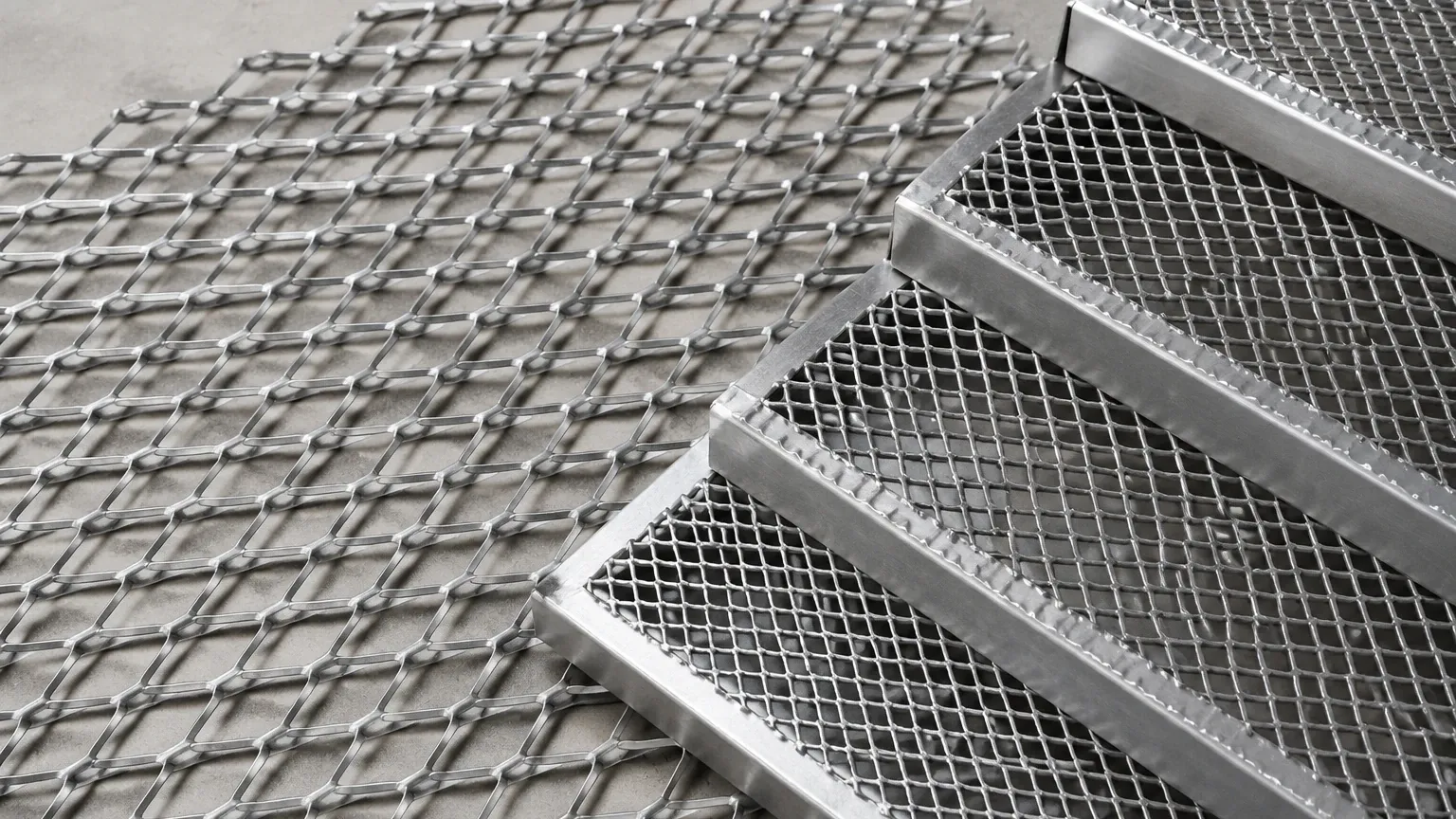
Selection Criteria: Choosing the Right Expanded Metal
When purchasing expanded metal non slip products, engineers should confirm several factors to ensure the product is fit for purpose:
1. Application Environment: Is the area subject to constant moisture, salt spray, or caustic chemicals? This dictates the move from carbon steel to stainless steel 316.
2. Load Requirements: Will the surface support only pedestrian traffic, or will heavy equipment and carts pass over it? This determines the required strand thickness and bond strength.
3. Surface Treatment: Beyond the material itself, will the metal require pickling and passivation (for stainless steel) to ensure maximum corrosion resistance, or perhaps an epoxy coating for high visibility?
4. Installation Method: How will the panels be secured? Expanded metal can be welded directly to frames or secured with specialized clips. The method of attachment must not compromise the integrity of the non-slip surface.
Common Risks and Maintenance Considerations
Even the most robust expanded metal non slip surface requires regular inspection. In industrial environments, several factors can degrade performance:
* Mechanical Wear: Over decades of heavy use, the sharp edges of the raised strands can eventually wear down, especially in areas with high abrasive dust. If the "bite" of the metal is lost, the slip resistance is compromised.
* Debris Accumulation: While the diamond openings are designed for drainage, extremely viscous oils or fibrous waste can sometimes clog the openings. Regular high-pressure washing is necessary to maintain the drainage and grip functions.
* Corrosion Fatigue: In environments with vibration (such as near heavy pumps or motors), any existing corrosion can lead to stress-corrosion cracking at the bonds of the expanded metal. Regular visual inspections for hairline fractures are essential for safety.
Conclusion
Expanded metal non slip solutions offer a technically superior alternative to traditional solid flooring in industrial settings. By leveraging the inherent geometry of the expansion process, these materials provide multi-directional traction, excellent drainage, and high strength-to-weight ratios.
For engineers looking to optimize their facilities, the choice of expanded metal should be an informed decision based on material grade, diamond geometry, and the specific demands of the application. Whether used as a safety walkway, a stair tread, or a structural support in a complex filtration system, the right expanded metal ensures a safer and more efficient industrial environment.
When specifying these components, working with a manufacturer that understands the nuances of metal fabrication and industrial application is key to achieving long-term performance and safety compliance.
