


Expanded Metal Patio Furniture
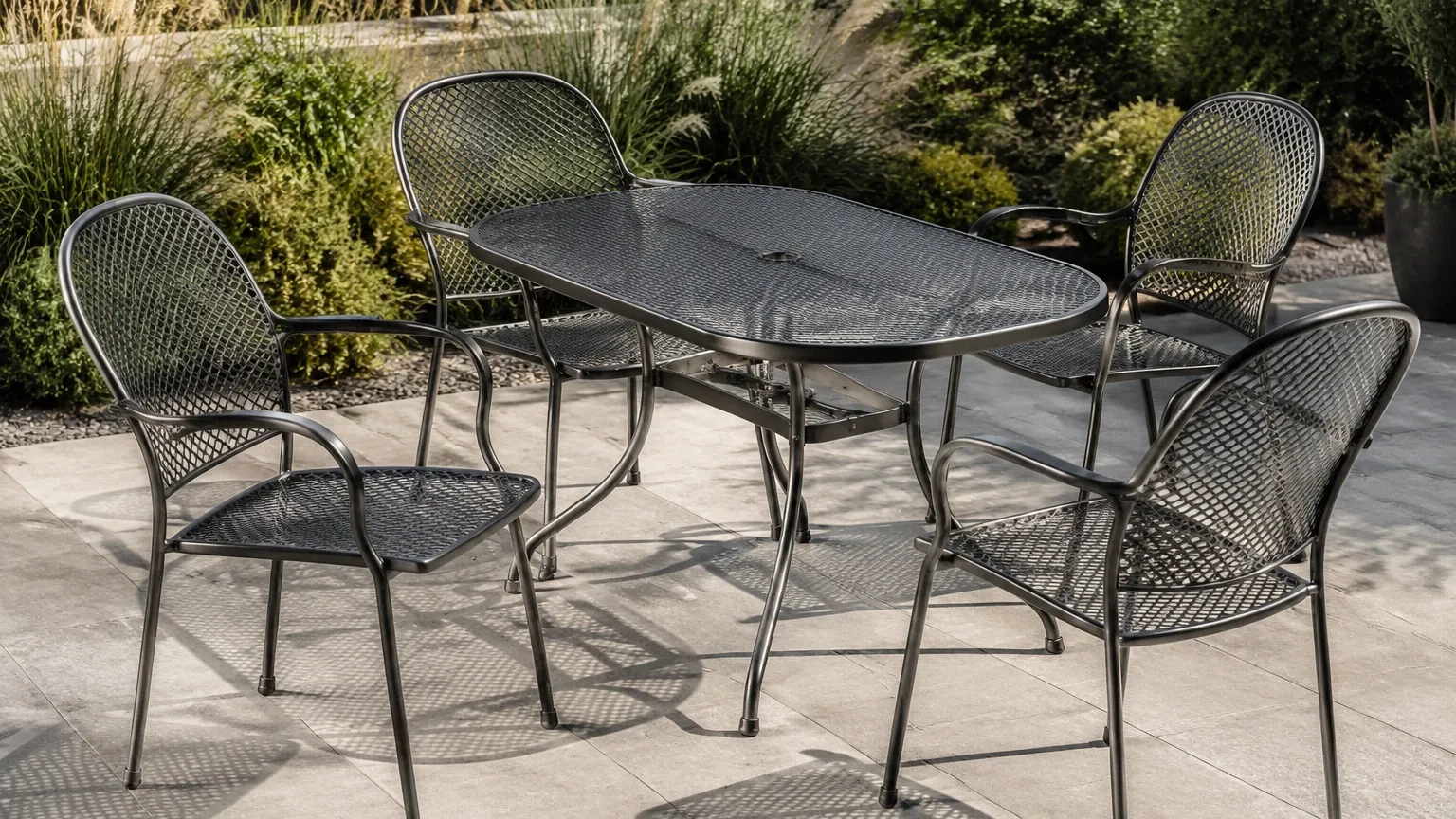
In the realm of commercial and industrial site furnishings, the selection of materials is a critical decision that impacts durability, maintenance costs, and user safety. Expanded metal patio furniture has long been a standard in high-traffic environments, such as municipal parks, industrial break areas, and outdoor commercial spaces. Unlike traditional solid-surface furniture, expanded metal offers a unique combination of structural rigidity, lightweight design, and environmental resilience.
For engineers and procurement professionals, understanding the technical nuances of Perforated & Expanded Metal is essential for specifying the right components. This guide examines the engineering principles, material considerations, and manufacturing processes that define high-quality expanded metal furniture, providing the factual basis needed for informed B2B purchasing decisions.
Understanding the Engineering Behind Expanded Metal for Outdoor Use
Expanded metal is manufactured through a process of simultaneously slitting and stretching a solid sheet of metal. This process creates a diamond-shaped pattern of openings, which are integral to the material's performance in outdoor furniture applications. Unlike perforated metal, which is created by punching holes and results in material waste, expanded metal is produced with virtually no waste, making it a highly efficient choice for large-scale production.
From a structural perspective, the "strands" and "bonds" (the intersections of the strands) of the expanded metal provide a high strength-to-weight ratio. The strands are set at an angle to the original plane of the sheet, which adds three-dimensional rigidity to the furniture. This geometric configuration allows the material to support significant loads without the weight of solid plate steel. In the context of expanded metal patio furniture, this translates to seating and tables that are easy to relocate for maintenance or layout changes while remaining robust enough to withstand heavy daily use.
Furthermore, the open-area percentage of expanded metal is a vital engineering factor. High open-area percentages allow for immediate drainage of rainwater and debris, preventing the pooling of water that can lead to accelerated corrosion or slip hazards. It also allows for airflow, which helps keep the furniture surface cooler in direct sunlight compared to solid metal or plastic alternatives.
Material Grades and Corrosion Resistance in Industrial Furniture
When specifying expanded metal patio furniture for industrial or commercial environments, the choice of base material is the primary determinant of the product's lifecycle. While carbon steel is a common choice for budget-conscious projects, stainless steel and aluminum offer superior performance in harsh environments.
Stainless Steel (Grades 304 and 316)
For applications near coastal regions or in industrial zones with high chemical exposure, stainless steel is the preferred material. Grade 304 provides excellent corrosion resistance for most general outdoor uses. However, Grade 316, which contains molybdenum, offers enhanced protection against chloride-induced pitting and crevice corrosion. Utilizing stainless steel for expanded metal components ensures that the furniture maintains its structural integrity and aesthetic appearance without the need for frequent recoating.
Carbon Steel
Carbon steel is the most frequent choice for standard commercial furniture due to its cost-effectiveness and high tensile strength. However, it requires robust surface protection, such as hot-dip galvanization or high-performance powder coating, to prevent oxidation. Without these treatments, carbon steel expanded metal patio furniture will succumb to rust quickly when exposed to moisture.
Aluminum
Aluminum expanded metal is prized for its lightweight nature and inherent resistance to atmospheric corrosion. While it lacks the extreme tensile strength of steel, it is often sufficient for lightweight seating and is particularly useful in environments where weight reduction is a priority for logistics or portability.
Standard vs. Flattened Expanded Metal: Performance Implications
In the manufacturing of expanded metal, there are two primary forms: standard (raised) and flattened. Each has distinct implications for the comfort and safety of patio furniture.
Standard Expanded Metal
Standard expanded metal exits the expanding machine with the strands and bonds set at a uniform angle. This creates a textured, slip-resistant surface. In furniture design, standard expanded metal is often used for tabletops or structural bracing where a high degree of grip is required. However, for seating surfaces, the raised edges can be uncomfortable for users and may catch on clothing. Engineers must evaluate whether the added rigidity of the raised pattern outweighs the ergonomic considerations of the application.
Flattened Expanded Metal
Flattened expanded metal is produced by passing the standard expanded sheet through a cold-roll reducing mill. This process flattens the strands and bonds into a single plane, resulting in a smooth, flat surface. For expanded metal patio furniture, flattened metal is the industry standard for seats and backrests. It provides a more comfortable interface for the user while maintaining the drainage and airflow benefits of the expanded pattern. Flattening also makes the material easier to weld and finish, as there are fewer sharp edges to manage during the assembly process.
Key Technical Specifications for B2B Procurement
When requesting quotes or developing specifications for expanded metal components, procurement teams must use standardized terminology to ensure accuracy. The following parameters are critical:
1. SWD (Short Way of Design): The distance from the center of one bond to the center of the next bond across the short diamond diagonal.
2. LWD (Long Way of Design): The distance from the center of one bond to the center of the next bond across the long diamond diagonal.
3. Strand Width: The amount of metal fed into the machine between the slits.
4. Strand Thickness: The thickness of the original base metal sheet.
5. Opening Size: The actual clear space (aperture) of the diamond, which influences how much debris can pass through and how the surface feels to the touch.
For commercial furniture, a common specification might be 3/4" #9 flattened expanded metal. This indicates an LWD of approximately 0.75 inches and a thickness corresponding to 9-gauge steel. Selecting the correct gauge is vital; if the metal is too thin, the furniture may deflect or "bounce" under the weight of a user, leading to a perception of poor quality or potential structural failure over time.
Surface Finishing and Longevity in Demanding Environments
The longevity of expanded metal patio furniture is heavily dependent on the finishing process. Because expanded metal has many small crevices and intersections (the bonds), achieving uniform coverage is more challenging than with flat sheets.
Powder Coating
Powder coating is the most popular finish for commercial outdoor furniture. It involves applying a dry powder—typically polyester or epoxy—electrostatically and then curing it under heat. This creates a hard, durable skin that is resistant to UV rays, chipping, and scratching. For B2B buyers, it is important to confirm that the powder coating process includes a multi-stage pretreatment (such as phosphate washing) to ensure maximum adhesion.
Thermoplastic Coating
Thermoplastic coatings are thicker than standard powder coatings and provide a "rubbery" feel. This finish is highly effective at preventing corrosion because it completely encapsulates the metal. It is also more forgiving on the skin and stays cooler in the sun. However, it can be more expensive and may be prone to peeling if the coating is punctured.
Hot-Dip Galvanization
For industrial environments where aesthetics are secondary to extreme durability, hot-dip galvanization is the gold standard. By dipping the steel furniture into molten zinc, a metallurgical bond is formed that protects the steel even if the surface is scratched. This is often used as a base layer before powder coating in highly corrosive environments.
Selection Guide: Perforated vs. Expanded Metal for Site Furnishings
While this article focuses on expanded metal, B2B buyers often weigh it against perforated metal options. The choice between Perforated & Expanded Metal usually comes down to three factors: cost, weight, and aesthetics.
* Cost Efficiency: Expanded metal is generally more cost-effective because the manufacturing process expands the material's surface area without waste. Perforated metal requires the removal of material, which increases the cost per square foot.
* Structural Integrity: Expanded metal is often stronger per pound because the strands are not cut but stretched, maintaining the continuity of the metal's grain. However, perforated metal offers more predictable load-bearing calculations for complex engineering designs.
* Aesthetics: Perforated metal allows for a wider variety of hole shapes (round, square, slotted) and custom patterns, which may be preferred for high-end architectural projects. Expanded metal is limited to the diamond or hexagonal patterns inherent to the stretching process.
Conclusion: Confirming Requirements Before Procurement
Before finalizing a purchase of expanded metal patio furniture or custom metal components, engineering and purchasing teams should confirm several key factors with their manufacturer. These include the specific alloy grade, the exact SWD/LWD dimensions required for the intended load, and the type of edge treatment (such as U-edging or framing) to ensure user safety.
Working with a manufacturer like Kaifil, which specializes in precision metal components and filtration solutions, ensures that the technical requirements of the material are met with industrial-grade accuracy. Whether the application is a high-traffic public park or a specialized industrial facility, the right combination of material selection and manufacturing precision will result in a product that delivers a high return on investment through reduced maintenance and extended service life.
