


Expanded Metal vs Wood Trailer
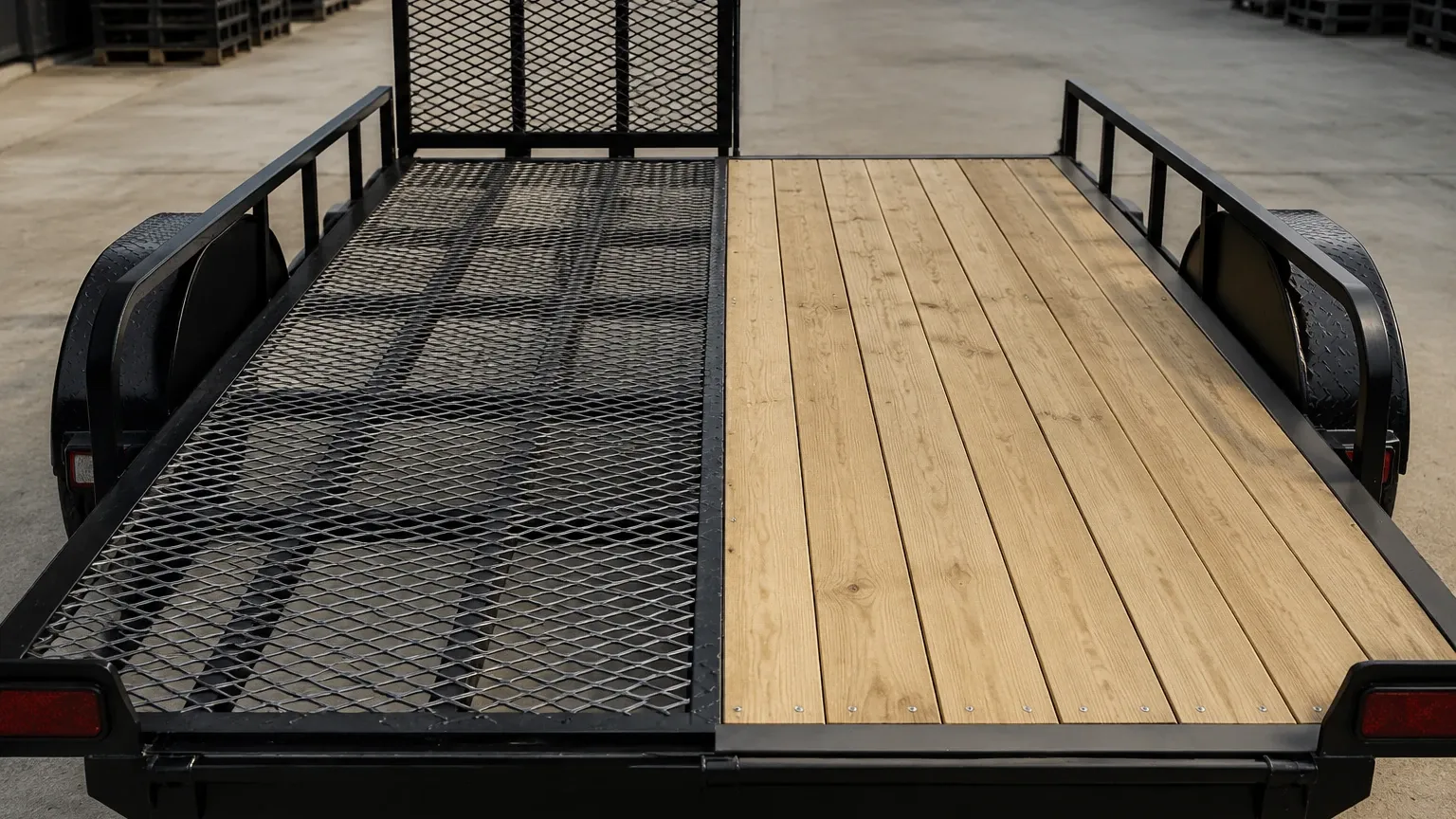
In the realm of industrial logistics and equipment transport, the choice of trailer decking material is a critical engineering decision that impacts long-term durability, operational safety, and maintenance overhead. For engineers and fleet managers, the debate of expanded metal vs wood trailer decking involves more than just initial cost; it requires a deep dive into material science, structural load distribution, and environmental resilience.
Selecting the right surface ensures that the trailer remains fit for purpose throughout its service life, whether it is transporting heavy machinery, industrial components, or raw materials. This guide examines the technical nuances of both materials to assist in making an informed procurement decision.
Understanding Material Fundamentals in Trailer Design
To evaluate the expanded metal vs wood trailer comparison effectively, one must first understand the manufacturing processes and inherent properties of each material.
Wood decking, typically sourced from pressure-treated pine or hardwoods like oak and apitong, relies on the natural cellular structure of timber to provide impact resistance and flexibility. In an industrial context, wood is valued for its ability to absorb shocks and its high coefficient of friction when dry. However, as an organic material, it is susceptible to moisture absorption, rot, and structural degradation over time.
In contrast, Perforated & Expanded Metal is produced by slitting and stretching a single sheet of metal—often carbon steel, aluminum, or stainless steel—to create a diamond-shaped pattern. This process does not involve any material waste and results in a high strength-to-weight ratio. Because the metal is expanded rather than woven, the strands are interconnected, providing excellent structural integrity and a rigid surface that does not unravel if a single strand is cut.
Structural Performance and Load-Bearing Capacity
The way a trailer deck handles weight is a primary concern for industrial applications. The structural performance of expanded metal vs wood trailer floors differs significantly in terms of point loads and stress distribution.
Wood Decking and Point Loads
Wood planks are excellent at handling heavy point loads, such as the wheels of a forklift or the stabilizers of heavy machinery. The thickness of the wood (often 2 inches or more) allows it to distribute weight across the supporting cross-members of the trailer frame. However, wood is prone to "cupping" or warping, which can create uneven surfaces that compromise load stability.
Expanded Metal and Structural Support
Expanded metal is often perceived as less rigid than wood, but this is a misconception that depends on the gauge and the spacing of the underlying supports. When used for trailer decking, heavy-duty "grating" style expanded metal is typically employed. The diamond pattern provides multi-directional strength. However, because expanded metal has a high percentage of open area, it requires more frequent cross-member support than wood to prevent sagging under heavy concentrated loads. For lighter equipment or applications where weight reduction is a priority, expanded metal offers a significant advantage by reducing the trailer's tare weight without sacrificing the necessary surface area.
Environmental Durability: Corrosion vs. Biological Decay
When analyzing expanded metal vs wood trailer longevity, the environmental conditions of the operation play a decisive role. Industrial trailers are frequently exposed to rain, snow, road salts, and chemical spills, all of which affect the decking material differently.
The Vulnerability of Wood
Even pressure-treated wood eventually succumbs to the elements. Moisture ingress leads to swelling, followed by contraction during dry periods, which causes the wood to crack (check) and splinter. In chemical processing or food and beverage environments, wood can absorb liquids, leading to bacterial growth or chemical contamination that is nearly impossible to sanitize. This makes wood a poor choice for trailers used in sterile or highly regulated industrial sectors.
The Resilience of Metal
Using stainless steel or galvanized Perforated & Expanded Metal provides a high level of resistance to corrosion and chemical exposure. Stainless steel variants are particularly valuable in pharmaceutical or chemical industries where hygiene and corrosion resistance are non-negotiable. Unlike wood, metal does not absorb fluids, and the open-mesh design allows for rapid drainage and easy cleaning. While carbon steel expanded metal can rust if the coating is damaged, modern galvanizing and powder-coating techniques have significantly extended the lifespan of these components in harsh environments.
Operational Safety: Traction and Debris Management
Safety is a paramount concern in any B2B operation. The interface between the trailer deck and the cargo—or the personnel loading the cargo—must be secure.
Traction Comparison
Wood provides decent traction when dry, but its safety profile drops sharply when wet or oily. Wet wood becomes notoriously slick, increasing the risk of slip-and-fall accidents and cargo shifting.
Expanded metal, by design, offers superior traction. The raised edges of the expanded strands provide a multi-directional grip that is effective even in the presence of oil, water, or ice. This makes expanded metal the preferred choice for ramps and walkways on trailers where operators must move safely in all weather conditions.
Drainage and Debris
A major advantage in the expanded metal vs wood trailer debate is debris management. Wood decks collect dirt, mud, and snow, which can add significant weight to the trailer and create a messy work environment. Expanded metal allows these materials to fall through the mesh, keeping the deck clear. This self-cleaning property is essential for trailers used in construction, agriculture, or any industry where equipment is frequently moved from muddy sites to paved roads.
Maintenance Cycles and Total Cost of Ownership (TCO)
From a procurement perspective, the initial purchase price is only one part of the TCO equation. Maintenance requirements and replacement frequency often dictate the true cost of the trailer deck.
1. Wood Maintenance: Wood decks require periodic treatment with sealants or oils to extend their life. Despite this, planks will eventually rot or break, requiring individual replacement. In heavy-use industrial cycles, a wood deck might need full replacement every 3 to 7 years.
2. Expanded Metal Maintenance: Metal decks are largely "set and forget" if the correct material and coating are selected for the environment. Maintenance usually involves simple pressure washing. If a section of the metal becomes damaged, it can be cut out and a new piece welded in place, providing a permanent and seamless repair.
3. Longevity: A high-quality stainless steel or heavy-gauge galvanized expanded metal deck can last the entire lifespan of the trailer frame, often 15 to 20 years or more, significantly lowering the TCO compared to wood.
Engineering Considerations for Custom Trailer Fabrication
For manufacturers specializing in custom filtration systems or specialized industrial machinery, the trailer is often an integrated part of the equipment. In these cases, the choice of Perforated & Expanded Metal allows for greater engineering flexibility.
Airflow and Heat Dissipation
If the trailer carries equipment that generates heat, such as industrial generators or pumps, an expanded metal deck provides the necessary airflow for cooling from beneath the unit. Wood acts as an insulator and can trap heat, potentially leading to equipment overheating.
Attachment and Integration
Metal decking can be directly welded to the trailer chassis, creating a unified structural component that adds to the overall rigidity of the frame. Wood must be bolted down, and these bolt holes can become points of failure as the wood rots or the bolts vibrate loose over time. For high-vibration industrial environments, the secure, welded connection of expanded metal is technically superior.
Final Selection Criteria for Industrial Users
Deciding between expanded metal vs wood trailer decking depends on the specific requirements of the application. Engineers should confirm the following before finalizing a specification:
* Load Type: Is the load concentrated (point load) or distributed? Heavy point loads may favor thick wood or reinforced expanded metal grating.
* Environment: Will the trailer be exposed to corrosive chemicals, constant moisture, or extreme temperatures? Stainless steel expanded metal is the standard for high-corrosion environments.
* Weight Constraints: Is there a need to maximize payload by reducing the trailer's empty weight? Expanded metal is generally lighter than a comparable wood deck.
* Safety Requirements: Is high traction required for personnel or wheeled equipment in wet conditions?
By weighing these factors, B2B buyers can select a decking solution that optimizes performance and minimizes long-term operational costs. While wood remains a traditional choice for general-purpose hauling, the technical advantages of expanded metal—particularly in durability, safety, and maintenance—make it the superior choice for specialized industrial and engineering applications.
