


Expanded Metal Xpm
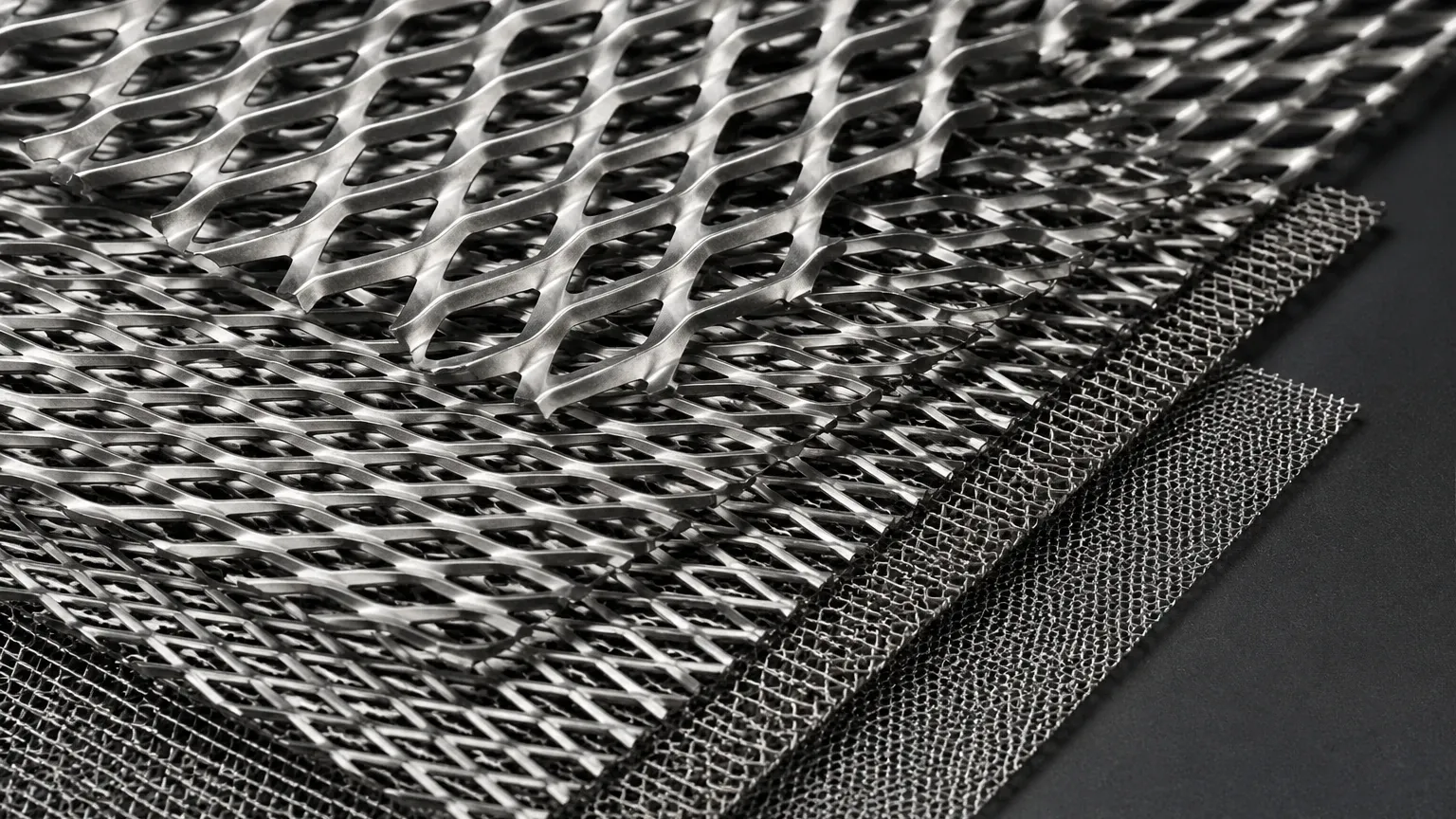
In the realm of industrial filtration and structural engineering, the selection of support and media materials is a critical decision that impacts the efficiency, durability, and cost-effectiveness of the entire system. Among the most versatile materials utilized today is expanded metal xpm. This material, characterized by its distinct diamond-shaped openings, is created through a precision process of slitting and stretching a single metal sheet. Unlike traditional woven wire or perforated sheets, expanded metal offers a unique combination of structural integrity and open-area efficiency that is indispensable in demanding industrial environments.
For engineers and procurement specialists, understanding the technical nuances of expanded metal xpm is essential for optimizing filtration performance. Whether used as a protective outer cage for a filter cartridge or as a rigid support for pleated media, the specific properties of the expanded metal—such as strand width, thickness, and diamond dimensions—directly influence flow dynamics and pressure drop. As a specialized manufacturer, Kaifil provides high-performance Perforated & Expanded Metal solutions designed to meet the rigorous standards of the chemical, pharmaceutical, and hydraulic sectors.
Understanding Expanded Metal XPM in Industrial Applications
The designation "XPM" typically refers to expanded metal patterns that adhere to specific industrial standards for diamond size and strand geometry. Unlike perforated metal, which is created by punching holes and removing material (creating waste), expanded metal is produced by expanding the base material. This process ensures that there is zero material waste, making it a more sustainable and often more cost-effective choice for large-scale industrial projects.
In industrial filtration, expanded metal xpm serves several primary functions:
1. Structural Support: It provides the necessary rigidity to prevent the collapse of finer filter media under high-pressure differentials.
2. Pre-filtration: The diamond mesh can act as a primary barrier for larger particulates, protecting the more delicate internal filter layers.
3. Flow Distribution: The angled strands of the expanded metal can help in diffusing the fluid or gas flow, ensuring more uniform contact across the entire surface area of the filter media.
Because the material is expanded rather than punched, the resulting mesh possesses a high strength-to-weight ratio. The strands and bonds (the intersections of the diamonds) are set at an angle to the plane of the sheet, which adds a three-dimensional structural depth that flat perforated sheets lack.
The Manufacturing Process: From Sheet to Mesh
The production of expanded metal xpm is a precise engineering feat. It begins with a solid metal sheet—most commonly stainless steel, aluminum, or carbon steel. The sheet is fed through an expanding machine equipped with a specialized knife that performs two simultaneous actions: it slits the metal and stretches it forward.
There are two primary forms of expanded metal produced through this process:
Standard (Raised) Expanded Metal
In its standard form, the strands and bonds are set at a uniform angle to the plane of the sheet. This creates a raised surface that provides excellent grip and strength. In filtration, the raised profile is often preferred for its ability to create turbulence in the fluid stream, which can be beneficial in certain mixing or heat exchange applications. However, the raised edges must be handled carefully to ensure they do not damage softer filter membranes.
Flattened Expanded Metal
To produce flattened expanded metal, the standard raised sheet is passed through a cold-rolling reducing mill. This process flattens the strands and bonds into a single plane, resulting in a smooth, flat surface. Flattened expanded metal is approximately 5% to 10% thinner than the original base sheet but offers a smooth finish that is ideal for applications where the mesh must be in direct contact with delicate filter cloth or where a low profile is required for space-constrained housings.
Key Technical Specifications and Terminology
When specifying expanded metal xpm for a project, engineers must use precise terminology to ensure the manufactured product meets the application's requirements. The following parameters are the industry standards for defining expanded metal geometry:
* SWD (Short Way of Diamond): The distance from the center of one bond to the center of the next bond measured across the short diamond diagonal.
* LWD (Long Way of Diamond): The distance from the center of one bond to the center of the next bond measured across the long diamond diagonal.
* SWO (Short Way of Opening): The clear distance between the inside edges of the diamond across the short diagonal.
* LWO (Long Way of Opening): The clear distance between the inside edges of the diamond across the long diagonal.
* Strand Width: The amount of metal fed between the upper and lower knives to produce one strand.
* Strand Thickness: The thickness of the original base metal sheet.
* Open Area: One of the most critical factors for filtration, the open area is the percentage of the total area of the sheet that is not occupied by metal. This determines the flow rate and pressure drop characteristics.
Understanding these dimensions allows engineers to calculate the mechanical strength and hydraulic resistance of the mesh. For instance, a smaller SWD typically results in a denser mesh with higher structural support but a lower percentage of open area.
Comparing Expanded Metal XPM with Perforated Metal
Choosing between Perforated & Expanded Metal often depends on the specific balance required between cost, strength, and precision. While both are used extensively in filtration, they offer different advantages.
| Feature | Expanded Metal XPM | Perforated Metal |
| :— | :— | :— |
| Material Waste | Zero waste (stretched) | Significant waste (slugs from holes) |
| Strength | Higher strength-to-weight ratio | Strength dependent on hole pattern |
| Surface Texture | Can be raised or flattened | Naturally flat |
| Cost | Generally lower for large areas | Higher due to material waste and tooling |
| Precision | Excellent for support | Higher precision for micron-level holes |
| Flow Dynamics | Creates turbulence (raised) | Laminar flow (flat holes) |
In many industrial filter cartridges, expanded metal is used as the outer support cage because of its rigidity and cost-efficiency, while perforated metal might be used for the internal core where specific hole diameters are required for flow control. Kaifil specializes in both technologies, allowing for a customized approach where the two materials can be integrated into a single filtration solution.
Critical Role in Industrial Filtration Systems
Expanded metal xpm is a staple in the design of industrial filtration components. Its application spans across various stages of the filtration process, from coarse separation to fine particulate removal.
Support for Pleated Filters
In high-pressure hydraulic systems, filter media is often pleated to increase the surface area. However, the pressure of the fluid can cause these pleats to collapse or "bunch," which significantly reduces the effective filtration area. By laminating expanded metal to the filter media, the pleats are held firmly in place, maintaining the integrity of the filter even under fluctuating pressure cycles.
Protective Guards and Enclosures
In heavy-duty industrial environments, filters are often exposed to mechanical impacts or high-velocity debris. An outer layer of expanded metal xpm acts as a robust shield, protecting the internal, more expensive filtration layers from physical damage. This is particularly common in air intake filters for large machinery and dust collection systems.
Coalescing and Demisting
In the oil and gas industry, expanded metal is used in coalescing filters. The angled strands of the mesh provide a surface for small liquid droplets to collide and combine into larger drops, which then fall out of the gas stream. The "raised" nature of standard expanded metal is particularly effective here, as it increases the surface area for droplet impingement.
Material Selection for Demanding Environments
The performance of expanded metal xpm is heavily dependent on the alloy selected. Since Kaifil serves industries ranging from food processing to chemical manufacturing, material compatibility is a primary engineering consideration.
* Stainless Steel (304 and 316L): The most common choice for industrial filtration. Type 316L is preferred in pharmaceutical and marine applications due to its superior resistance to pitting and chloride corrosion. Stainless steel expanded metal is also capable of withstanding extreme temperatures, making it suitable for steam filtration.
* Aluminum: Used primarily where weight is a critical factor, such as in aerospace or portable filtration units. Aluminum offers good corrosion resistance in many environments but lacks the high-temperature stability of stainless steel.
* Galvanized Steel: A cost-effective solution for non-corrosive environments or where the filter is considered a short-term consumable. However, in most B2B industrial applications involving fluids or chemicals, stainless steel remains the standard for long-term reliability.
* Specialty Alloys: For highly aggressive chemical environments, materials like Monel, Inconel, or Titanium can be expanded into XPM patterns to provide unmatched chemical resistance.
Customization and Engineering Considerations for Procurement
When sourcing expanded metal xpm, purchasing teams and engineers should look beyond the basic dimensions. To ensure the total cost of ownership is minimized and system performance is maximized, several customization factors should be discussed with the manufacturer.
Edge Treatment and Safety
Expanded metal naturally has "sharp" edges where the diamonds are cut. For many filtration applications, these edges need to be deburred or framed to prevent injury to maintenance personnel or damage to the filter housing. Kaifil offers various edge treatments, including U-edging or specialized welding, to ensure the component is safe and easy to install.
Tolerances and Flatness
In precision machinery, the tolerances of the expanded metal sheet can be the difference between a perfect fit and a system leak. Standard industrial tolerances may not be sufficient for high-end filter housings. Specifying tighter tolerances on the LWD/SWD and the overall sheet dimensions is crucial during the design phase.
Cleaning and Passivation
For the food, beverage, and pharmaceutical industries, the expanded metal must be free of manufacturing oils and contaminants. Passivation of stainless steel expanded metal is a critical post-production step that enhances the protective oxide layer, ensuring the material remains inert and does not contaminate the process fluid.
Total Cost Considerations
While the initial price per square foot is an important metric, engineers should also consider the lifespan of the material. A higher-grade stainless steel expanded metal xpm may have a higher upfront cost but can significantly reduce the replacement cycle and downtime, leading to a lower total cost over the life of the filtration system.
By partnering with a dedicated manufacturer like Kaifil, companies gain access to technical expertise that helps bridge the gap between design theory and practical application. Whether you require a standard pattern or a highly customized Perforated & Expanded Metal component, focusing on the specific engineering requirements of your application will ensure the most reliable filtration performance.
