


Is Expanded Metal Galvanized
In industrial engineering and filtration design, material selection is often the determining factor between a system that lasts decades and one that fails prematurely due to corrosion. One of the most frequent questions procurement teams and engineers ask when sourcing structural or filtration components is: is expanded metal galvanized?
To answer this accurately, one must understand that expanded metal is not inherently galvanized by definition; rather, galvanization is a secondary process or a specific material choice applied to carbon steel expanded metal to enhance its environmental resistance. While expanded metal can be manufactured from various alloys, including stainless steel and aluminum, galvanized carbon steel remains one of the most cost-effective solutions for high-strength, corrosion-resistant applications.
Understanding Expanded Metal Production and Material Options
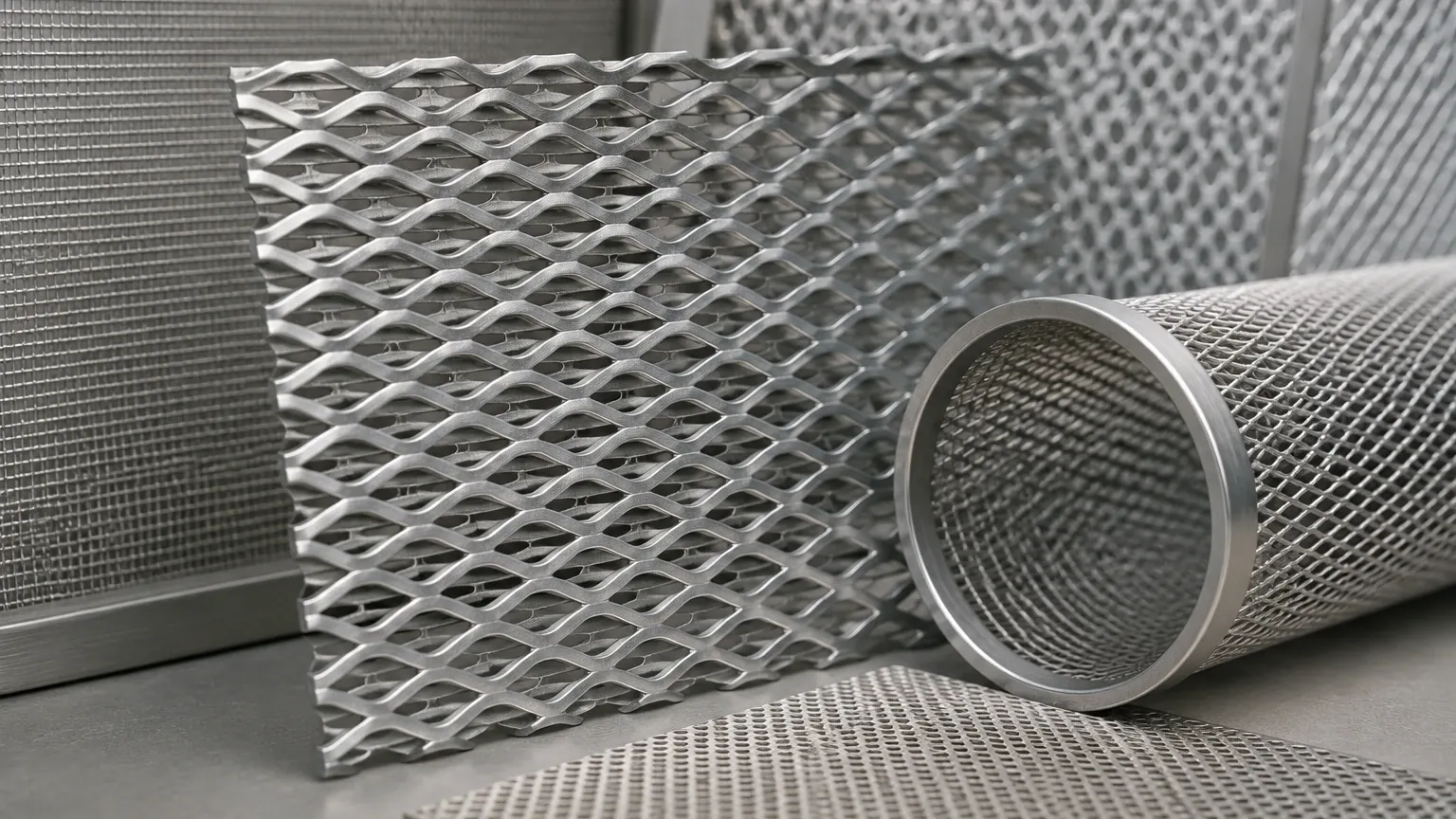
Expanded metal is produced by simultaneously slitting and stretching a solid sheet of metal. This process creates a diamond-shaped pattern of openings, resulting in a single piece of material with no joins or welds. This structural integrity is a primary reason why Perforated & Expanded Metal is favored in demanding industrial environments.
When asking if expanded metal is galvanized, the answer depends on the base material and the post-production treatment. The three primary categories are:
1. Carbon Steel (Plain/Black): This is the raw form. It is susceptible to rust and is typically galvanized or painted after expansion to ensure longevity.
2. Pre-Galvanized Steel: The metal sheet is galvanized at the mill before the expansion process occurs.
3. Hot-Dip Galvanized (After Expansion): The carbon steel is expanded first and then submerged in a molten zinc bath.
For engineers, the distinction between these types is critical. While stainless steel offers superior chemical resistance, galvanized expanded metal provides a robust alternative for moisture-prone environments where the budget may not support high-nickel alloys.
The Technical Answer: Is Expanded Metal Galvanized?
Yes, expanded metal is frequently galvanized, but it is essential to specify the method of galvanization during the design phase. If you purchase "standard" expanded metal without specifying a finish, you will likely receive plain carbon steel, which will oxidize rapidly if exposed to the elements.
When a project requires galvanized expanded metal, there are two distinct paths. Understanding the metallurgical differences between them is vital for ensuring the filtration or structural component meets the expected service life.
Pre-Galvanized Expanded Metal
Pre-galvanized expanded metal is manufactured from steel sheets that have already been coated with zinc at the steel mill. When this sheet is slit and stretched, the internal edges of the diamonds are exposed. Because the expansion process shears the metal, the newly created edges do not have the same zinc thickness as the flat surfaces. While zinc has some "sacrificial" properties that can protect nearby exposed steel, pre-galvanized expanded metal is generally less resistant to corrosion than the hot-dip variety, especially in high-moisture or chemical-heavy environments.
Hot-Dip Galvanized Expanded Metal
In this process, the expanded metal is manufactured from plain carbon steel and then dipped into a kettle of molten zinc (typically around 450°C or 840°F). This creates a metallurgical bond between the zinc and the steel. Crucially, because the dipping occurs after the metal has been slit and stretched, every surface—including the sheared edges—is completely encased in a thick layer of zinc. This is the preferred choice for outdoor walkways, industrial grates, and heavy-duty filtration supports.
Engineering Benefits of Galvanized Expanded Metal
Choosing galvanized expanded metal over plain steel or more expensive alloys involves balancing mechanical requirements with environmental factors. From an engineering perspective, the benefits of the galvanized finish include:
1. Superior Corrosion Resistance
The zinc coating acts as a physical barrier and a sacrificial anode. Even if the coating is scratched, the zinc will corrode in preference to the underlying steel, preventing the spread of rust. This is essential for components used in water treatment or outdoor ventilation systems.
2. Cost-Efficiency
While stainless steel (such as Grade 304 or 316) is the gold standard for corrosion resistance, it comes at a significant price premium. Galvanized expanded metal provides a middle ground, offering many years of maintenance-free service at a fraction of the cost of stainless steel.
3. Structural Integrity and Weight
Because expanded metal is made from a single sheet, it maintains a high strength-to-weight ratio. The galvanization process adds a protective layer without significantly altering the mechanical properties of the steel, making it ideal for support structures in large-scale filtration units.
Applications in Industrial Filtration and Support
In the world of industrial filtration, Perforated & Expanded Metal serves several critical functions. Whether the metal is galvanized or stainless depends on the fluid being filtered and the cleaning cycles required.
* Filter Cartridge Support Cores: Expanded metal is often rolled into cylinders to provide internal support for pleated filter media. In hydraulic oil systems or air intake filters, galvanized expanded metal provides the necessary rigidity to prevent the media from collapsing under pressure.
* Protective Outer Guards: For filters used in harsh environments, an expanded metal outer wrap protects the delicate inner mesh from mechanical damage. Galvanized finishes are common here to prevent the guard itself from rusting and contaminating the system.
* Pre-Filtration Screens: In water treatment, coarse expanded metal screens are used to capture large debris. Hot-dip galvanization is often required here to withstand constant exposure to oxygenated water.
Selection Criteria: When to Specify Galvanized vs. Stainless Steel
Determining whether galvanized expanded metal is sufficient for your application requires a review of the operating conditions. Engineers should consider the following factors:
| Factor | Galvanized Expanded Metal | Stainless Steel (304/316) |
| :— | :— | :— |
| Environment | Mild to moderate outdoor/industrial | Highly corrosive/acidic/marine |
| pH Range | Typically pH 6 to pH 12 | Wide range (pH 2 to pH 12) |
| Temperature | Up to 200°C (392°F) | Up to 800°C+ depending on grade |
| Aesthetics | Industrial gray, may dull over time | Bright, metallic, stays consistent |
| Initial Cost | Lower | Higher |
If the application involves food and beverage processing or pharmaceutical manufacturing, stainless steel is usually mandatory due to hygiene standards and the need for aggressive CIP (Clean-In-Place) cycles. However, for general industrial air filtration, hydraulic supports, and safety screening, galvanized expanded metal is often the most pragmatic choice.
Common Risks and Quality Considerations
When sourcing galvanized expanded metal, there are several technical pitfalls that can compromise the performance of the final product. Procurement teams should confirm the following with their manufacturer:
Coating Thickness and Uniformity
For hot-dip galvanized products, the thickness of the zinc coating (measured in microns or ounces per square foot) must meet industry standards such as ASTM A123. If the coating is too thin, the lifespan of the component will be drastically reduced. Conversely, excessively thick coatings can sometimes lead to "clogging" of the diamond openings, particularly in fine-mesh expanded metal used for precision filtration.
Zinc Tears and Burrs
The hot-dip process can sometimes leave "zinc tears" or sharp droplets on the edges of the expanded metal. In filtration applications, these burrs can tear the filter media or create turbulence in fluid flow. A high-quality manufacturer will ensure that the expanded metal is properly handled to minimize these defects.
Hydrogen Embrittlement
In high-strength steels, the pickling process used before galvanizing can lead to hydrogen embrittlement. While this is less common in the standard low-carbon steels used for expanded metal, it is a factor that engineers should be aware of when specifying high-tension components.
Maintenance and Lifespan Expectations
One of the primary reasons to confirm that expanded metal is galvanized is to reduce the total cost of ownership. Plain steel requires frequent painting or coating maintenance to prevent structural failure. In contrast, hot-dip galvanized expanded metal can last 20 to 50 years in most atmospheric conditions without any maintenance.
In industrial filtration settings, the lifespan is often dictated by the cleaning process. If the filter is cleaned using high-pressure water or mild detergents, the galvanized coating will hold up well. However, if acidic cleaners are used, the zinc coating will be stripped away, leading to rapid corrosion. In such cases, switching to a stainless steel Perforated & Expanded Metal solution is the more sustainable engineering decision.
Conclusion: Making the Right Choice for Your Project
So, is expanded metal galvanized? It certainly can be, and for many industrial applications, it should be. The choice between pre-galvanized, hot-dip galvanized, and stainless steel depends entirely on the chemical exposure, mechanical stress, and budget of your specific application.
For engineers and purchasing managers, the key is to move beyond the simple question of "is it galvanized" and specify the exact type of protection required. By understanding the difference between galvanizing before and after expansion, and by evaluating the environmental conditions of the installation site, you can ensure that your filtration or structural components provide reliable, long-term performance.
When designing custom filtration solutions, working with a manufacturer that understands these metallurgical nuances is essential. Whether you require precision stainless steel mesh or robust galvanized expanded metal supports, selecting the right material at the outset is the best way to optimize system efficiency and minimize downtime.
