


Katalog Expanded Metal
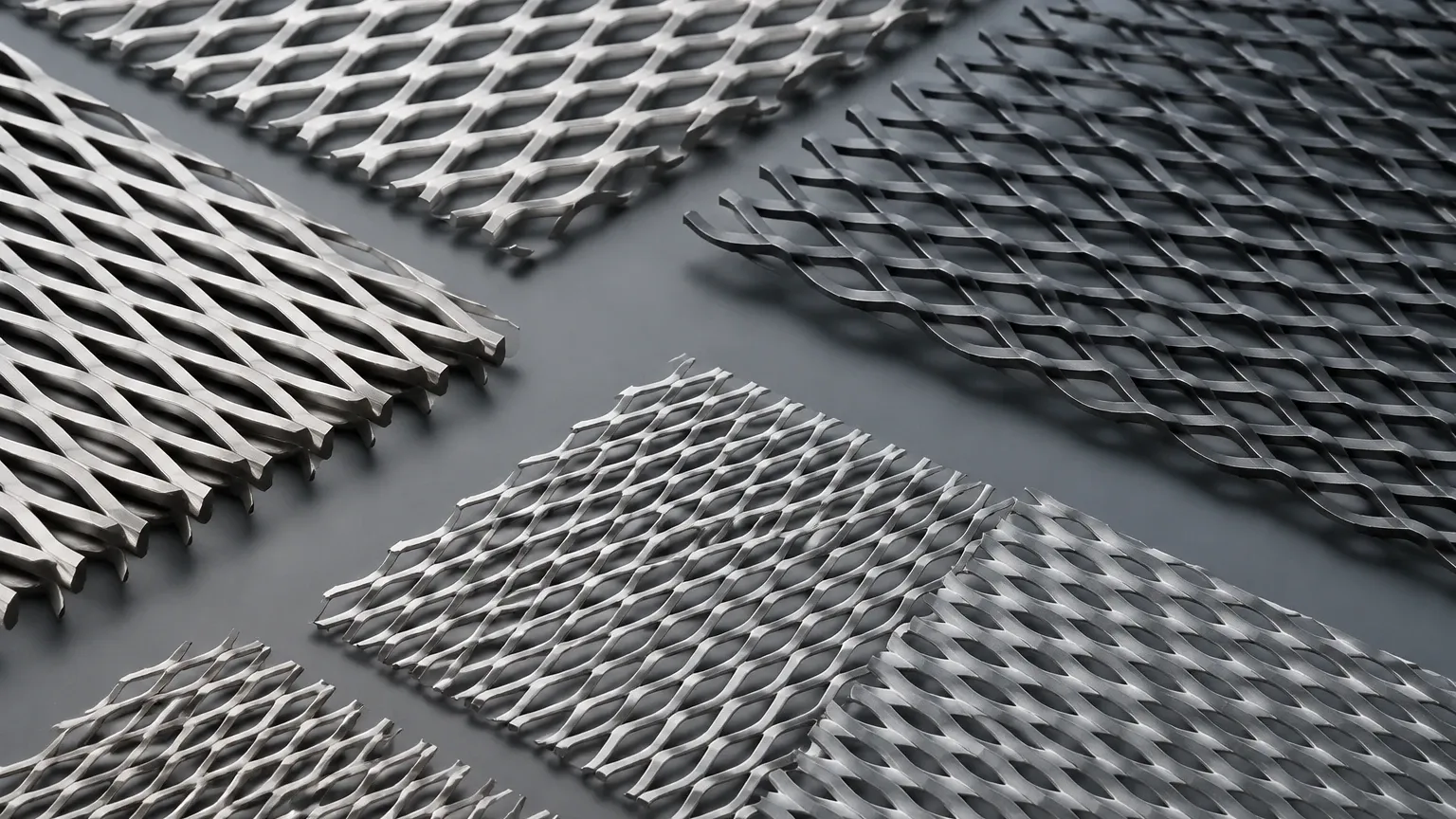
In the landscape of industrial filtration and structural engineering, selecting the correct material requires more than a cursory glance at a product list. For engineers and procurement specialists, a comprehensive katalog expanded metal serves as a technical roadmap, detailing the mechanical properties, dimensional tolerances, and material compatibilities necessary for high-performance applications. Expanded metal is a unique material produced by simultaneously slitting and stretching a solid sheet of metal, creating a diamond-shaped pattern that offers a high strength-to-weight ratio and significant cost-efficiency compared to traditional perforated sheets.
At Kaifil, understanding the nuances of Perforated & Expanded Metal is essential for developing robust filtration solutions. Whether used as a support core for pleated filter elements or as a protective outer cage for industrial cartridges, the technical specifications found in a professional catalog dictate the ultimate efficiency and longevity of the filtration system.
The Manufacturing Process and Material Efficiency
One of the primary reasons engineers consult a katalog expanded metal is to understand the manufacturing advantages of the material. Unlike perforated metal, which involves punching holes and generating significant scrap, expanded metal is created through a cold-forming process. A machine slits the metal sheet and then stretches it in a single motion. This process expands the surface area of the original sheet, often by several times its original length, without losing any material.
For B2B buyers focused on sustainability and cost-effectiveness, this means that the price per square foot is often lower than perforated alternatives of similar thickness. Furthermore, because the metal is stretched rather than cut, the resulting strands are interconnected, providing inherent structural integrity. There are no welds or joints within the mesh itself, which eliminates potential points of failure under high-pressure hydraulic or pneumatic conditions.
Technical Parameters: Deciphering the Katalog
When reviewing a katalog expanded metal, technical professionals must be familiar with specific terminology used to define the mesh geometry. These parameters are critical for calculating flow rates, pressure drops, and mechanical load-bearing capacities.
SWD and LWD (Short Way of Design and Long Way of Design)
These terms refer to the dimensions of the diamond-shaped opening.
- SWD (Short Way of Design): The distance from the center of one bond to the center of the next bond measured across the short diamond diagonal.
- LWD (Long Way of Design): The distance from the center of one bond to the center of the next bond measured across the long diamond diagonal.
Strand Width and Thickness
The strand width is the amount of metal fed into the machine between the slits, while the strand thickness is the thickness of the original base metal. These two dimensions determine the cross-sectional area of the mesh and its resistance to deformation.
Raised vs. Flattened Expanded Metal
A standard katalog expanded metal will typically offer two finishes:
1. Raised (Standard): The strands and bonds are set at a uniform angle to the plane of the sheet. This provides maximum strength and a skid-resistant surface, though it creates a thicker profile.
2. Flattened: The raised mesh is passed through a cold-rolling reducing mill, which flattens the strands and bonds into the same plane. This results in a smoother surface and a thinner profile, which is often preferred for filtration support cores where a consistent outer diameter is required for the filter housing.
Material Selection for Demanding Environments
Material compatibility is a cornerstone of industrial filtration. A technical catalog must specify the grades of metal available to ensure the component can withstand the chemical and thermal stresses of the application. Kaifil specializes in stainless steel solutions, which are frequently detailed in a high-end katalog expanded metal for the following industries:
Stainless Steel 304 and 316L
In chemical processing and pharmaceutical applications, corrosion resistance is non-negotiable. Stainless steel 304 is suitable for general industrial use, while 316L (low carbon) is preferred for environments involving chlorides or high-temperature steam sterilization. The molybdenum content in 316L provides superior resistance to pitting and crevice corrosion, making it the standard for high-purity filtration.
Aluminum and Carbon Steel
For applications where weight is a primary concern, such as aerospace or mobile hydraulic systems, aluminum expanded metal offers a lightweight alternative. Conversely, carbon steel is often used in heavy-duty industrial grates or protective screens where cost is a primary driver and the environment is non-corrosive or the metal is subsequently galvanized or coated.
Applications in Industrial Filtration Systems
Within the scope of Perforated & Expanded Metal products, expanded metal serves several critical roles in filtration engineering. Its versatility allows it to be integrated into various stages of a filtration assembly.
Support Cores and Pleat Support
In pleated filter cartridges, the filter media (such as fiberglass or synthetic membranes) is relatively fragile. Expanded metal provides the necessary internal support to prevent the media from collapsing under high differential pressure. The diamond pattern allows for a high percentage of open area, ensuring that the support structure does not significantly impede fluid flow.
Protective Outer Sleeves
Industrial filters often face physical abrasion or turbulent flow. An outer sleeve made of expanded metal protects the delicate filter media from large debris and mechanical impact during installation or operation. The rigid structure of the expanded mesh ensures that the filter maintains its shape even in high-vibration environments.
Pre-Filtration and Coarse Screening
In water treatment or large-scale HVAC systems, expanded metal can act as a primary filter for removing large particulates. By selecting a specific SWD and LWD from the katalog expanded metal, engineers can target specific particle sizes for removal before the fluid reaches more expensive, fine-filtration stages.
Engineering Considerations: Open Area and Pressure Drop
One of the most vital pieces of information in a katalog expanded metal is the percentage of open area. This figure directly correlates to the filtration efficiency and the energy required to pump fluid through the system. A higher open area results in a lower initial pressure drop, which extends the service life of the filter and reduces operational costs.
Calculating the open area of expanded metal is more complex than perforated metal due to the angular orientation of the strands. Engineers must account for the "projected" open area versus the "actual" open area when the fluid hits the mesh at an angle. For precision applications, Kaifil provides technical guidance to help customers select the mesh geometry that balances structural rigidity with optimal flow dynamics.
Quality Control and Compliance
A reliable katalog expanded metal is backed by rigorous quality control standards. In the B2B sector, consistency is paramount. If a batch of expanded metal varies in strand thickness or diamond uniformity, it can lead to bypass issues in a filter or structural failure in a pressure vessel.
Key quality benchmarks include:
- Dimensional Accuracy: Ensuring the LWD and SWD stay within tight tolerances.
- Flatness Tolerances: For flattened expanded metal, ensuring there is no camber or bowing in the sheet.
- Surface Finish: Removing burrs and sharp edges that could tear filter media or injure personnel during maintenance.
Kaifil adheres to international manufacturing standards to ensure that every component meets the specific requirements of the end-user, providing peace of mind for engineers designing critical infrastructure.
Customization and OEM Capabilities
While a standard katalog expanded metal provides a foundation, many industrial applications require custom solutions. OEM (Original Equipment Manufacturer) services allow for the adjustment of strand widths, the use of exotic alloys (such as Monel or Inconel), and the fabrication of specific shapes and sizes.
Customization often involves:
- Slitting to Width: Providing coils or strips that match the exact height of a filter cartridge.
- Annealing: Softening the metal to allow for easier forming or pleating.
- Specialty Coatings: Applying epoxy or plastic coatings for additional chemical resistance or to prevent galvanic corrosion between dissimilar metals.
Total Cost of Ownership and Maintenance
When evaluating a katalog expanded metal, B2B purchasers should consider the total cost of ownership rather than just the initial purchase price. The durability of stainless steel expanded metal often leads to longer replacement cycles and reduced downtime.
In filtration applications, the ability to clean and reuse expanded metal components (especially in backwash systems) provides a significant advantage over disposable plastic alternatives. The mechanical strength of the metal allows it to withstand high-pressure cleaning cycles without deforming, ensuring that the filtration system remains efficient over years of service.
Conclusion: Selecting the Right Partner
Navigating a katalog expanded metal requires a deep understanding of both the material's properties and the specific demands of the industrial application. From material selection and mesh geometry to the final finish, every decision impacts the performance of the filtration system.
Kaifil combines decades of manufacturing expertise with a commitment to engineering excellence. By providing detailed technical data and customized Perforated & Expanded Metal solutions, we help our global partners achieve reliable, cost-effective, and high-performance filtration. Whether you are designing a new hydraulic system or optimizing a chemical processing line, choosing the right expanded metal starts with a technical partnership focused on quality and precision.
