


Kegunaan Expanded Metal
In the landscape of industrial manufacturing and structural engineering, the selection of materials often dictates the long-term efficiency and durability of a system. Among the most versatile materials utilized today is expanded metal. While the term "kegunaan expanded metal" translates to the "uses of expanded metal," understanding its full utility requires a deep dive into its unique manufacturing process, mechanical properties, and its critical role in specialized sectors such as industrial filtration.
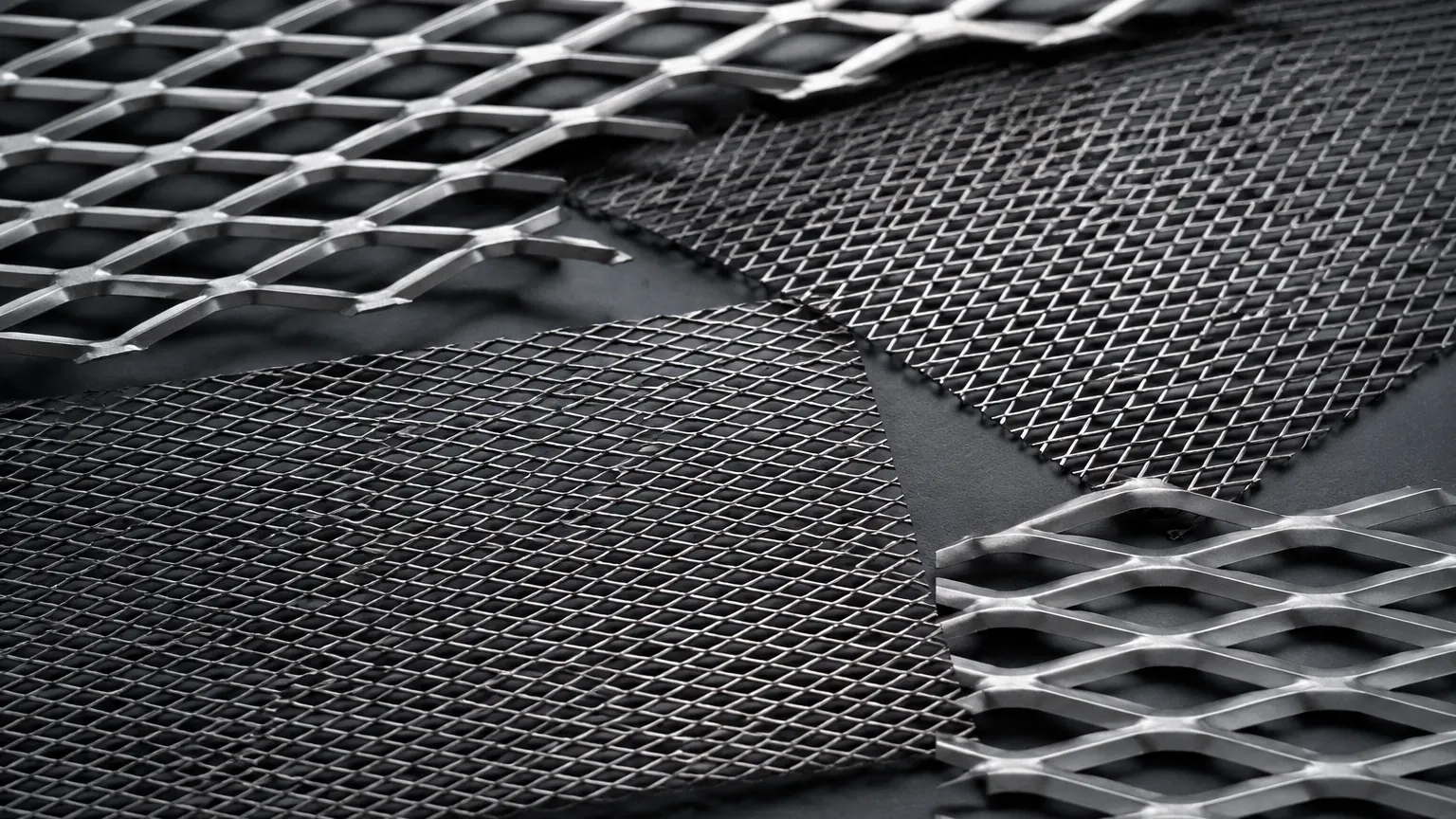
Expanded metal is produced by simultaneously slitting and stretching a solid sheet of metal—typically stainless steel, carbon steel, or aluminum. This process creates a diamond-shaped pattern of openings, resulting in a single-piece structure that is stronger than the original sheet weight for weight. For engineers and procurement teams, the choice of Perforated & Expanded Metal often comes down to a balance between structural integrity, open area requirements, and cost-efficiency.
The Technical Foundations of Expanded Metal
To understand the diverse applications or *kegunaan expanded metal*, one must first grasp the engineering nuances of its production. Unlike perforated metal, which is created by punching holes and removing material, expanded metal is stretched. This means there is virtually zero waste during production, making it an environmentally and economically sustainable choice for high-volume industrial projects.
Raised vs. Flattened Expanded Metal
There are two primary forms of expanded metal used in industrial settings:
1. Standard (Raised) Expanded Metal: This is the product as it comes off the expanding machine. The strands and bonds are set at a uniform angle to the plane of the sheet. This provides extra strength and rigidity, as well as a slip-resistant surface. In filtration, the raised profile can help create turbulence or provide mechanical interlocking for secondary filter media.
2. Flattened Expanded Metal: This is standard expanded metal that has been cold-rolled through a mill. The process flattens the strands and bonds, resulting in a smooth, level surface. Flattened expanded metal is often preferred when the material needs to be integrated into a tight assembly or when a smooth surface is required to prevent abrasion against other components.
Primary Industrial Kegunaan Expanded Metal
The utility of expanded metal spans across various sectors, from heavy industry to precision filtration. Its structural characteristics make it indispensable in environments where airflow, light passage, and liquid drainage must be managed without sacrificing physical security.
1. Support Structures for Filtration Media
One of the most critical applications in the Kaifil portfolio is the use of expanded metal as a support skeleton for finer filtration layers. In high-pressure hydraulic or chemical processing environments, fine wire mesh filters lack the inherent rigidity to withstand significant pressure differentials. By utilizing a heavy-duty stainless steel expanded metal cylinder or sheet as a backing, engineers can ensure that the delicate filter media remains intact under stress.
This application is vital in:
* Chemical Processing: Supporting pleated filter elements used for corrosive fluid recovery.
* Water Treatment: Acting as a primary screen to remove large debris before secondary fine filtration.
* Oil and Gas: Providing sand control screens in downhole environments.
2. Industrial Safety and Walkways
In manufacturing plants and refineries, safety is paramount. The raised pattern of expanded metal provides exceptional traction, making it an ideal material for catwalks, stair treads, and maintenance platforms. The open area allows for the immediate drainage of oils, water, and chemicals, significantly reducing the risk of slips and falls. Furthermore, the high strength-to-weight ratio allows for the construction of lightweight yet robust structures that do not over-burden the primary building frame.
3. Machine Guarding and Security
Protecting personnel from moving machinery parts is a legal and operational necessity. Expanded metal is frequently used to fabricate machine guards because it allows for clear visibility of the equipment while preventing physical contact. Its rigid, one-piece construction ensures that it cannot be easily unraveled or breached, unlike traditional woven wire mesh.
Material Selection: Why Stainless Steel Dominates
While expanded metal can be made from various alloys, stainless steel remains the gold standard for industrial B2B applications. The *kegunaan expanded metal* in demanding environments like food processing or pharmaceutical manufacturing is largely dependent on the grade of steel used.
Grade 304 Stainless Steel
Grade 304 is the most common choice for general industrial use. It offers excellent corrosion resistance and is easy to fabricate. In the food and beverage industry, 304 stainless steel expanded metal is used for drying racks, sterilization trays, and protective screening where hygiene and wash-down capability are required.
Grade 316 and 316L Stainless Steel
For more aggressive environments, such as marine applications or chemical plants dealing with chlorides, Grade 316 is the preferred material. The addition of molybdenum enhances its resistance to pitting and crevice corrosion. In filtration systems, 316L (low carbon) is often specified to prevent carbide precipitation during welding, ensuring the structural integrity of custom filter cartridges.
Engineering Considerations for Custom Filtration Solutions
When specifying Perforated & Expanded Metal for a project, engineers must define several key parameters to ensure the product meets the application's performance expectations.
LWD and SWD (Long Way and Short Way of Design)
The dimensions of the diamond opening are measured by the Long Way of Design (LWD) and the Short Way of Design (SWD). These measurements, combined with the strand width and thickness, determine the "open area" percentage. For filtration applications, the open area is a critical metric as it directly impacts the flow rate and pressure drop across the system.
Determining Open Area Requirements
A higher open area allows for greater flow but may reduce the structural strength of the sheet. Conversely, a lower open area provides maximum rigidity but may lead to higher energy costs due to increased resistance in fluid systems. Kaifil works closely with technical teams to calculate the optimal balance based on the viscosity of the fluid, the expected flow velocity, and the mechanical load requirements.
Comparing Expanded Metal with Perforated Metal
Choosing between expanded and perforated metal is a common dilemma for purchasing teams. While both serve similar functions, their mechanical behaviors differ significantly.
* Structural Integrity: Expanded metal is a single piece of material with no joints or welds. This means the strands are interconnected, distributing loads more effectively than perforated metal, where the holes can act as stress concentrators.
* Cost Efficiency: Because the expanding process involves stretching rather than punching, there is no scrap metal produced. For expensive alloys like 316L stainless steel, this can result in significant cost savings.
* Weight: Expanded metal is typically lighter than a perforated sheet of the same thickness and open area, which is a major advantage in aerospace and mobile hydraulic applications.
However, perforated metal offers more variety in hole shapes (round, square, hexagonal) and can be produced with very precise hole diameters, which is sometimes necessary for specific mechanical screening tasks where the exact size of the particle to be blocked is the primary concern.
Customization and OEM Capabilities
In the B2B sector, off-the-shelf solutions rarely meet the exacting standards of specialized industrial equipment. The *kegunaan expanded metal* is often maximized through customization. Kaifil specializes in providing OEM filtration components that integrate expanded metal into complex assemblies.
Customization options include:
* Precision Slitting: Cutting the expanded metal to exact widths for integration into filter housing.
* Cylindrical Forming: Rolling and welding expanded metal into rigid tubes for use as center cores or outer guards in filter cartridges.
* Surface Finishing: Electropolishing or pickling to ensure the material meets the stringent cleanliness standards of the pharmaceutical and biotech industries.
Maintenance and Long-Term Performance
One of the primary advantages of utilizing high-quality stainless steel expanded metal is the reduced total cost of ownership. These materials are designed to withstand harsh cleaning cycles, including high-pressure steam sterilization (SIP) and clean-in-place (CIP) protocols.
To maintain optimal performance, it is recommended to:
1. Monitor Pressure Drop: In filtration systems, an increasing pressure drop usually indicates that the filter media is loading. The expanded metal support must be inspected periodically for signs of deformation or stress cracking.
2. Regular Cleaning: For food-grade applications, ensuring that the diamond intersections are free from organic buildup is essential for preventing bacterial growth.
3. Material Compatibility Checks: Ensure that any changes in the chemical composition of the processed fluid are compatible with the current metal grade to prevent premature corrosion.
Conclusion: Selecting the Right Solution
Understanding the *kegunaan expanded metal* involves more than just recognizing its diamond pattern. It is about understanding how this material can be engineered to solve complex industrial challenges. From providing the structural backbone of a high-efficiency filter to ensuring the safety of workers on a chemical plant floor, expanded metal is a fundamental component of modern infrastructure.
For engineers and purchasing managers, the key to a successful implementation lies in material expertise and manufacturing precision. By focusing on the specific requirements of the application—whether it be corrosion resistance, flow dynamics, or mechanical strength—teams can select a solution that offers both high performance and long-term reliability. To explore specific configurations and technical data for your next project, Review product options and application support to ensure your filtration or structural needs are met with precision-engineered metal solutions.
