


Lowes Expanded Metal Sheet
In the realm of industrial fabrication and maintenance, the procurement of raw materials often begins with a search for immediate availability. For many maintenance managers and small-scale fabricators, a lowes expanded metal sheet represents a convenient, off-the-shelf solution for general-purpose repairs, safety guards, or basic structural reinforcement. However, for engineers and purchasing teams operating within high-precision sectors such as chemical processing, pharmaceuticals, and advanced filtration, the transition from retail-grade materials to industrial-specification components is a critical step in ensuring long-term equipment reliability and process efficiency.
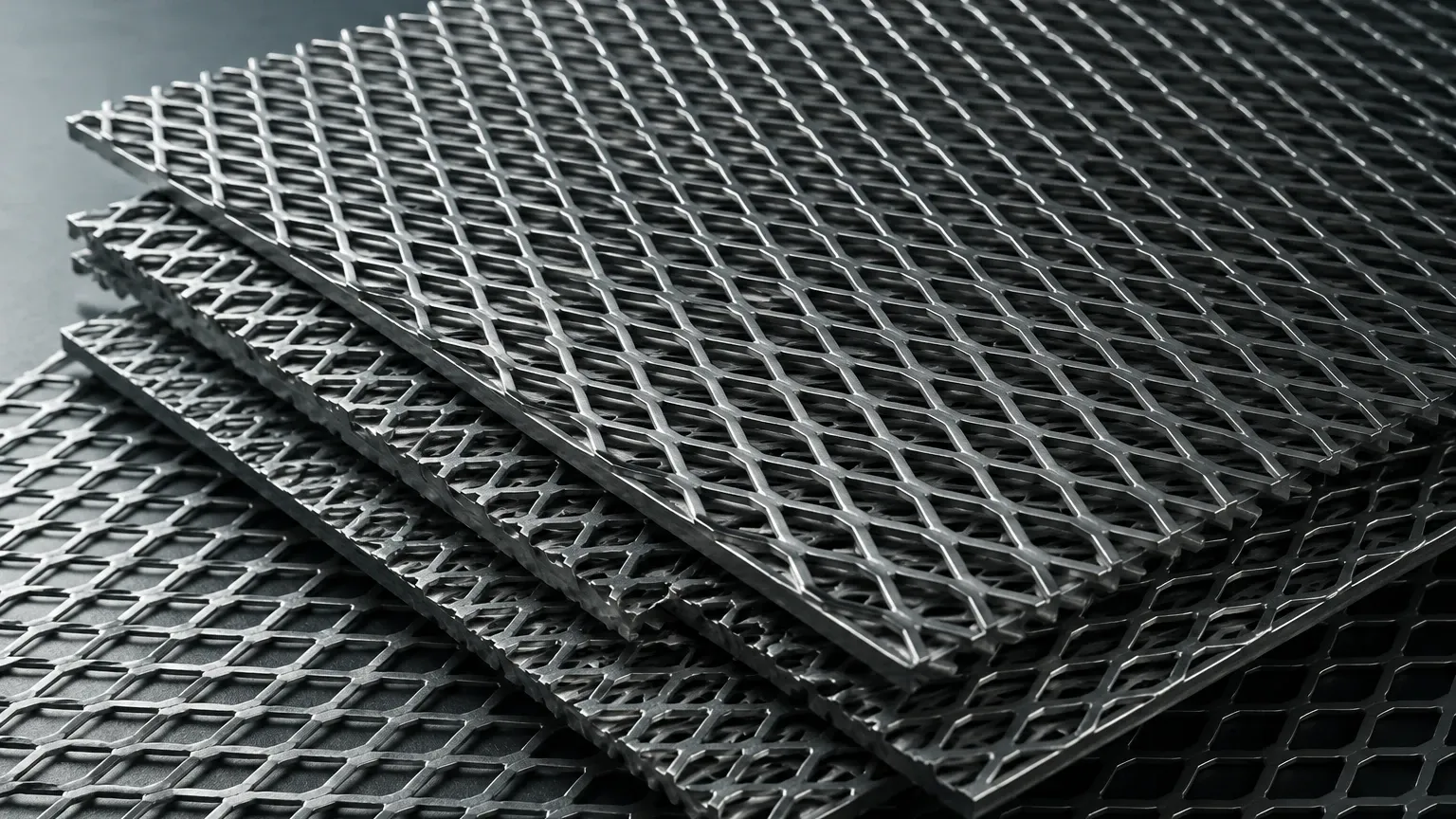
Expanded metal is a versatile material created by simultaneously slitting and stretching a solid sheet of metal. This process creates a diamond-shaped pattern of openings, resulting in a product that is lightweight yet structurally rigid. While retail outlets provide standardized sizes and materials, industrial applications often demand customized Perforated & Expanded Metal solutions that meet specific metallurgical standards and dimensional tolerances.
Understanding the Basics of Expanded Metal
Expanded metal is distinct from woven wire mesh or perforated plate due to its unique manufacturing process. Because the metal is stretched rather than punched (as in perforated metal) or woven, there is zero material waste. This makes it an inherently cost-effective choice for many industrial applications.
The Manufacturing Process
The process begins with a solid metal sheet—typically stainless steel, carbon steel, or aluminum. A machine equipped with a reciprocating knife slits and stretches the metal in a single motion. The resulting "strands" and "bonds" (the points where strands intersect) form a continuous, one-piece structure. This lack of welds or joints is a significant mechanical advantage, as it prevents the material from unraveling if cut and allows it to maintain its shape under stress.
Raised vs. Flattened Expanded Metal
When evaluating a lowes expanded metal sheet or an industrial alternative, it is essential to distinguish between the two primary finishes:
1. Standard (Raised) Expanded Metal: This is the product as it comes off the expanding machine. The strands are set at a sharp angle to the plane of the sheet, providing a high strength-to-weight ratio and a slip-resistant surface. It is often used for walkways, ramps, and security partitions.
2. Flattened Expanded Metal: This is produced by passing the standard expanded sheet through a cold-roll reducing mill. This process flattens the strands and bonds, resulting in a smooth, level surface. Flattened expanded metal is preferred for applications where a flush surface is required, such as in filtration support layers or decorative architectural panels.
Retail vs. Industrial Procurement: Key Differences
For a DIY enthusiast or a small workshop, purchasing a lowes expanded metal sheet is a logical choice for projects like fireplace screens, garden fencing, or basic trailer repairs. Retail environments typically stock standard sizes—often 24" x 24" or 24" x 36"—in common materials like plain steel or aluminum.
However, industrial procurement involves a different set of criteria. Engineers must account for variables that retail products cannot always guarantee:
Material Traceability and Certification
In industries like food and beverage or pharmaceutical manufacturing, material traceability is non-negotiable. Industrial suppliers like Kaifil provide Mill Test Reports (MTRs) that verify the chemical composition and mechanical properties of the steel. A retail-sourced sheet may not offer the specific grade of stainless steel (such as 316L) required to withstand corrosive environments.
Dimensional Precision and Customization
Retail sheets are pre-cut to standard dimensions. In contrast, industrial applications often require custom sheet sizes, specific diamond dimensions (SWD and LWD), and precise strand widths to fit into existing machinery or filter housings. Customization ensures that the material integrates seamlessly into the final assembly without the need for extensive on-site modification, which can compromise the material's integrity.
Technical Specifications for Engineers
When specifying Perforated & Expanded Metal, engineers use a specific set of measurements to define the product's performance characteristics. Understanding these terms is vital for selecting the right material for filtration or structural support.
* SWD (Short Way of Design): The distance from the center of one bond to the center of the next bond measured across the short diamond diagonal.
* LWD (Long Way of Design): The distance from the center of one bond to the center of the next bond measured across the long diamond diagonal.
* SWO (Short Way of Opening): The clear distance between the inside edges of the bonds across the short diamond diagonal.
* LWO (Long Way of Opening): The clear distance between the inside edges of the bonds across the long diamond diagonal.
* Strand Width: The amount of metal fed into the machine for each stroke of the knife.
* Strand Thickness: The thickness of the original base metal.
By manipulating these variables, manufacturers can create expanded metal with varying degrees of "open area." In filtration, the open area percentage directly impacts the flow rate and pressure drop across the filter medium.
Material Selection for Demanding Environments
The longevity of an expanded metal component is largely determined by its material composition. While a lowes expanded metal sheet might be available in galvanized steel, industrial applications often require high-performance alloys.
Stainless Steel (304 and 316L)
Stainless steel is the gold standard for industrial filtration and chemical processing. Grade 304 offers excellent corrosion resistance for general use, while Grade 316L contains molybdenum, providing superior resistance to chlorides and acidic environments. For applications involving high temperatures or aggressive chemicals, these alloys are essential to prevent premature failure due to pitting or stress corrosion cracking.
Carbon Steel and Galvanized Options
For structural applications where corrosion is less of a concern, carbon steel is a cost-effective alternative. To improve durability, carbon steel can be hot-dip galvanized or powder-coated. However, in precision filtration, the risk of coating delamination often makes stainless steel the safer choice.
Aluminum and Specialized Alloys
Aluminum expanded metal is prized for its lightweight properties and natural resistance to atmospheric corrosion. In specialized aerospace or high-heat applications, materials like Monel, Inconel, or Titanium may be used, though these are strictly custom-order items that would never be found in a retail setting.
Applications in Industrial Filtration
As a specialist in custom stainless steel filtration solutions, Kaifil frequently utilizes expanded metal as a core component in complex filter assemblies. Its structural rigidity makes it an ideal support structure for finer filter media.
Support for Pleated Filter Cartridges
In pleated liquid or gas filters, the delicate filter membrane requires a robust support layer to prevent collapse under high differential pressure. Flattened expanded metal provides a smooth, rigid cage that protects the pleats while maintaining a high open area for maximum flow.
Coarse Filtration and Strainers
Expanded metal can serve as a primary filter for large particulates in water treatment or hydraulic systems. Its diamond pattern is particularly effective at catching debris while resisting clogging. Because it is a single piece of metal, there are no wires to shift or bypass, ensuring consistent filtration performance over time.
Flame Arrestors and Heat Shields
In the oil and gas industry, expanded metal is used in flame arrestor assemblies. The high surface area of the metal strands helps dissipate heat rapidly, preventing the passage of flames through a vent or pipe. This application requires precise calculations of the material's thermal conductivity and open area.
Evaluating Total Cost of Ownership
When deciding between a retail lowes expanded metal sheet and an industrially manufactured product, it is important to look beyond the initial purchase price. The total cost of ownership (TCO) includes factors such as:
* Installation Labor: Custom-sized sheets eliminate the need for manual cutting and deburring on the shop floor.
* Service Life: High-grade stainless steel significantly extends the time between replacements in corrosive environments.
* Process Efficiency: Precisely engineered open areas optimize flow rates, reducing energy consumption in pumping systems.
* Compliance: Using certified materials ensures that the final product meets regulatory standards (e.g., FDA compliance for food processing).
For critical industrial infrastructure, the risk of using a non-certified or improperly specified material far outweighs the convenience of retail procurement.
Critical Questions for Purchasing Teams
Before finalizing a purchase of expanded metal, engineers and procurement officers should confirm the following details with their supplier:
1. Is the material grade verified? Request MTRs if the application involves chemical exposure or food contact.
2. What is the required open area? Ensure the diamond dimensions align with the necessary flow characteristics.
3. Does the application require flattened or raised metal? Consider the safety and clearance requirements of the installation.
4. Are custom tolerances needed? Standard commercial tolerances may not be sufficient for precision-engineered housings.
5. What is the environmental exposure? Determine if additional treatments like passivation or electropolishing are required to enhance corrosion resistance.
Conclusion
While a lowes expanded metal sheet serves as a valuable resource for general utility and small-scale projects, industrial applications demand a higher level of technical rigor. By understanding the engineering nuances of Perforated & Expanded Metal, professionals can select materials that enhance the durability and efficiency of their systems. Whether used as a protective guard, a structural walkway, or a critical support layer in a filtration cartridge, the right expanded metal solution is defined by its precision, material quality, and alignment with specific application requirements.
For organizations requiring specialized filtration components or custom metal fabrications, partnering with a manufacturer that understands the complexities of industrial environments is essential. Review product options and application support to explore how engineered metal solutions can be tailored to meet your specific technical challenges.
