


Non Galvanized Expanded Metal
In industrial engineering and filtration, material selection is often the determining factor between a system that lasts for decades and one that fails prematurely due to corrosion or structural fatigue. While galvanized coatings are a common solution for rust prevention in architectural or general-purpose applications, many specialized industrial processes require non galvanized expanded metal.
Specifying non-galvanized materials—particularly stainless steel and high-grade carbon steel—is a strategic decision based on chemical compatibility, welding requirements, and the need for high-precision filtration. For engineers and procurement teams, understanding why a non-galvanized finish is preferred over a coated one is essential for optimizing the performance and longevity of filtration components.
Understanding the Role of Non Galvanized Expanded Metal in Industry
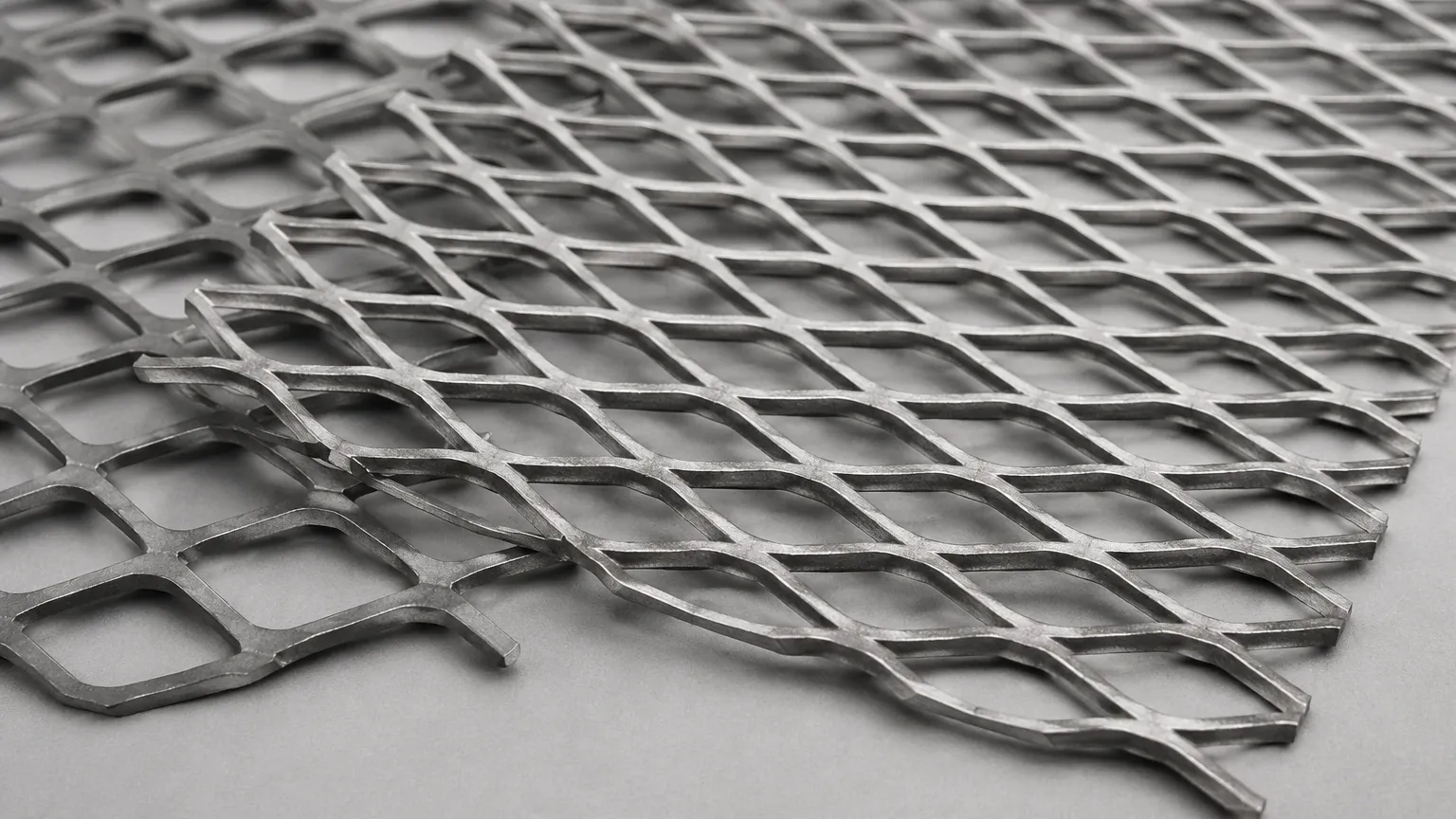
Expanded metal is a versatile material produced by simultaneously slitting and stretching a solid sheet of metal. This process creates a diamond-shaped pattern of openings that are integral to the sheet, rather than being punched out. Because no material is lost during the expansion process, it is often more cost-effective than perforated alternatives.
When we refer to non galvanized expanded metal, we are typically discussing materials that have not undergone the hot-dip or electro-galvanization process. In many industrial contexts, especially within the pharmaceutical, chemical processing, and food and beverage sectors, the presence of a zinc coating (galvanization) can be detrimental. Instead, these industries rely on the inherent properties of the base metal—most commonly stainless steel—to provide the necessary durability and resistance to environmental stressors.
By selecting non-galvanized options, engineers can leverage the specific metallurgical properties of the alloy without the risk of coating delamination or chemical interference. This is particularly critical in high-temperature environments or applications involving aggressive solvents where zinc would react or degrade.
Material Compositions: Stainless Steel vs. Plain Steel
The term "non galvanized" covers a range of base materials, each suited to specific operational demands. At Kaifil, the focus is often on high-performance alloys that do not require secondary coatings to maintain integrity.
Stainless Steel (304, 316, and 316L)
Stainless steel is the primary choice for non-galvanized applications. Unlike galvanized steel, which relies on a sacrificial layer of zinc, stainless steel contains chromium, which forms a self-healing passive layer of chromium oxide.
* Grade 304: Offers excellent corrosion resistance for general industrial use and is highly weldable. It is the standard for many filtration support structures.
* Grade 316/316L: Contains molybdenum, providing superior resistance to chlorides and marine environments. This is the preferred material for chemical processing and pharmaceutical filtration where non-reactive surfaces are mandatory.
Plain Carbon Steel
In some instances, non-galvanized plain carbon steel is specified. This is usually the case when the component will be post-treated with a specialized coating (such as epoxy or powder coating) or when the part will be submerged in oil-based hydraulic fluids that naturally prevent oxidation. Using plain steel without galvanization also simplifies the welding process, as there is no zinc layer to vaporize.
The Manufacturing Process: Precision Slitting and Stretching
The production of expanded metal is a feat of precision engineering. A solid metal plate or coil is fed through a machine equipped with a specialized knife. As the knife slits the metal, the machine stretches the material, expanding the slits into uniform diamond-shaped openings.
This process results in two distinct forms:
1. Raised (Standard) Expanded Metal: The strands and bonds are set at a uniform angle to the plane of the sheet. This provides extra strength and rigidity, making it an excellent choice for heavy-duty support cores in industrial filters.
2. Flattened Expanded Metal: The raised expanded metal is passed through a cold-rolling mill, which flattens the strands and bonds into the same plane. This creates a smooth surface, which is often required when the expanded metal is used as a protective outer jacket for delicate filter media, preventing abrasion.
Because the expansion process involves no scrap, it is an environmentally and economically efficient method of producing Perforated & Expanded Metal solutions for global industries.
Why Engineers Specify Non Galvanized Options for Filtration
In the world of industrial filtration, the choice of a non-galvanized finish is rarely about aesthetics; it is about technical performance and safety. There are three primary reasons why engineers bypass galvanization:
1. Superior Weld Integrity
In the fabrication of filter cartridges and baskets, welding is the most common method of assembly. Galvanized steel presents significant challenges during welding. The zinc coating vaporizes at a much lower temperature than the steel melts, creating toxic zinc oxide fumes and potentially causing porosity in the weld bead. By using non galvanized expanded metal, specifically stainless steel, fabricators can achieve clean, high-strength welds that meet the rigorous standards of pressure-vessel and filtration housing requirements.
2. Elimination of Contamination Risks
In food, beverage, and pharmaceutical production, the risk of coating flakes entering the process stream is unacceptable. Galvanized coatings can chip or peel over time due to mechanical stress or thermal cycling. Non-galvanized stainless steel provides a homogenous surface that will not shed particles, ensuring the purity of the filtered media.
3. Chemical and Thermal Stability
Zinc has a relatively low melting point and reacts poorly with many acids and alkalis. Industrial filtration often involves high-temperature steam cleaning (SIP) or aggressive chemical sterilization (CIP). Non-galvanized stainless steel alloys are designed to withstand these cycles without losing structural thickness or surface integrity.
Technical Specifications: SWD, LWD, and Strand Geometry
When ordering non-galvanized expanded metal, engineers must define several geometric parameters to ensure the material meets the flow and support requirements of the application:
* SWD (Short Way of Design): The distance from the center of one bond to the center of the next bond measured across the short diamond diagonal.
* LWD (Long Way of Design): The distance from the center of one bond to the center of the next bond measured across the long diamond diagonal.
* Strand Width: The amount of metal fed into the machine between the slits.
* Strand Thickness: The thickness of the original base metal sheet.
* Open Area Percentage: This is a critical calculation for filtration. It determines the pressure drop across the filter. A higher open area allows for higher flow rates but may offer less structural support for the primary filter mesh.
For example, a support core for a high-viscosity hydraulic oil filter might require a smaller SWD and thicker strands to resist collapsing under high differential pressure, whereas a protective outer cage might prioritize a higher LWD to maximize flow and visibility.
Integration into Filter Cartridges and Support Structures
Non-galvanized expanded metal serves as the "skeleton" of many industrial filter cartridges. Its primary role is to provide a rigid framework for finer filtration media, such as stainless steel wire mesh or fiber felt.
In a typical multi-layer filter construction, the expanded metal acts as a drainage layer. It creates a space between the filter housing and the media, allowing the fluid to distribute evenly across the entire surface area of the filter. Without the structural support of the expanded metal, the fine mesh would collapse or "blind" against the walls of the housing, significantly reducing the service life of the element.
Furthermore, in pleated filter designs, expanded metal can be pleated along with the mesh. This requires a material with high ductility and precise thickness control—qualities that are more easily managed in non-galvanized stainless steel than in coated carbon steels.
Evaluating Cost and Performance Lifecycle
While the upfront cost of non-galvanized stainless steel expanded metal is higher than that of galvanized carbon steel, the total cost of ownership (TCO) is often lower in industrial settings.
* Reduced Replacement Frequency: Stainless steel does not rust from the inside out, even if the surface is scratched. Galvanized steel, once the zinc layer is breached, will corrode rapidly.
* Maintenance Savings: Non-galvanized stainless components are easier to clean and sterilize, reducing downtime in hygiene-critical industries.
* Recyclability: At the end of its service life, stainless steel has a high scrap value and is 100% recyclable, aligning with modern corporate sustainability goals.
For engineers, the decision to use non galvanized expanded metal is an investment in reliability. By eliminating the variables associated with coatings, they can more accurately predict the performance of their filtration systems under stress.
Customization and OEM Solutions
Every industrial application has unique requirements regarding flow rate, pressure, and chemical exposure. Kaifil specializes in providing customized filtration solutions that utilize precision-manufactured metal components. Whether you require a specific diamond size for a hydraulic support core or a flattened stainless steel jacket for a pharmaceutical filter, the focus remains on technical accuracy and material integrity.
When specifying materials for your next project, consider the long-term operational environment. If the application involves welding, high temperatures, or corrosive chemicals, a non-galvanized stainless steel solution is likely the most technically sound choice. By partnering with a manufacturer that understands the nuances of Perforated & Expanded Metal, you ensure that your filtration systems are built on a foundation of quality and engineering expertise.
Conclusion
Non galvanized expanded metal is a fundamental component in the architecture of modern industrial filtration. By moving away from temporary coatings and toward inherent material strength, engineers can design systems that are safer, more efficient, and more durable. Whether it is the high-temperature resistance of 304 stainless steel or the chemical inertness of 316L, these materials provide the reliability that demanding industrial environments require. Understanding the technical specifications—from SWD and LWD to strand geometry—allows for the creation of optimized filtration solutions that stand up to the rigors of continuous industrial use.
