


Pac Clad Perforated Metal Panel
In the realm of industrial design and architectural engineering, the selection of metal components requires a balance between structural integrity, functional performance, and environmental resistance. The use of a pac clad perforated metal panel represents a convergence of these needs, offering a solution that serves both aesthetic and high-performance industrial roles. While often associated with building envelopes and facades, these panels are rooted in the fundamental manufacturing principles of Perforated & Expanded Metal, which provide the essential ventilation, filtration, and shielding capabilities required in demanding sectors such as chemical processing, food production, and HVAC systems.
For engineers and procurement specialists, understanding the technical nuances of these panels—from material grades to open area calculations—is critical for ensuring long-term reliability. This guide explores the engineering considerations, material science, and customization options essential for integrating perforated metal solutions into industrial projects.
The Role of Perforated and Expanded Metal in Modern Engineering
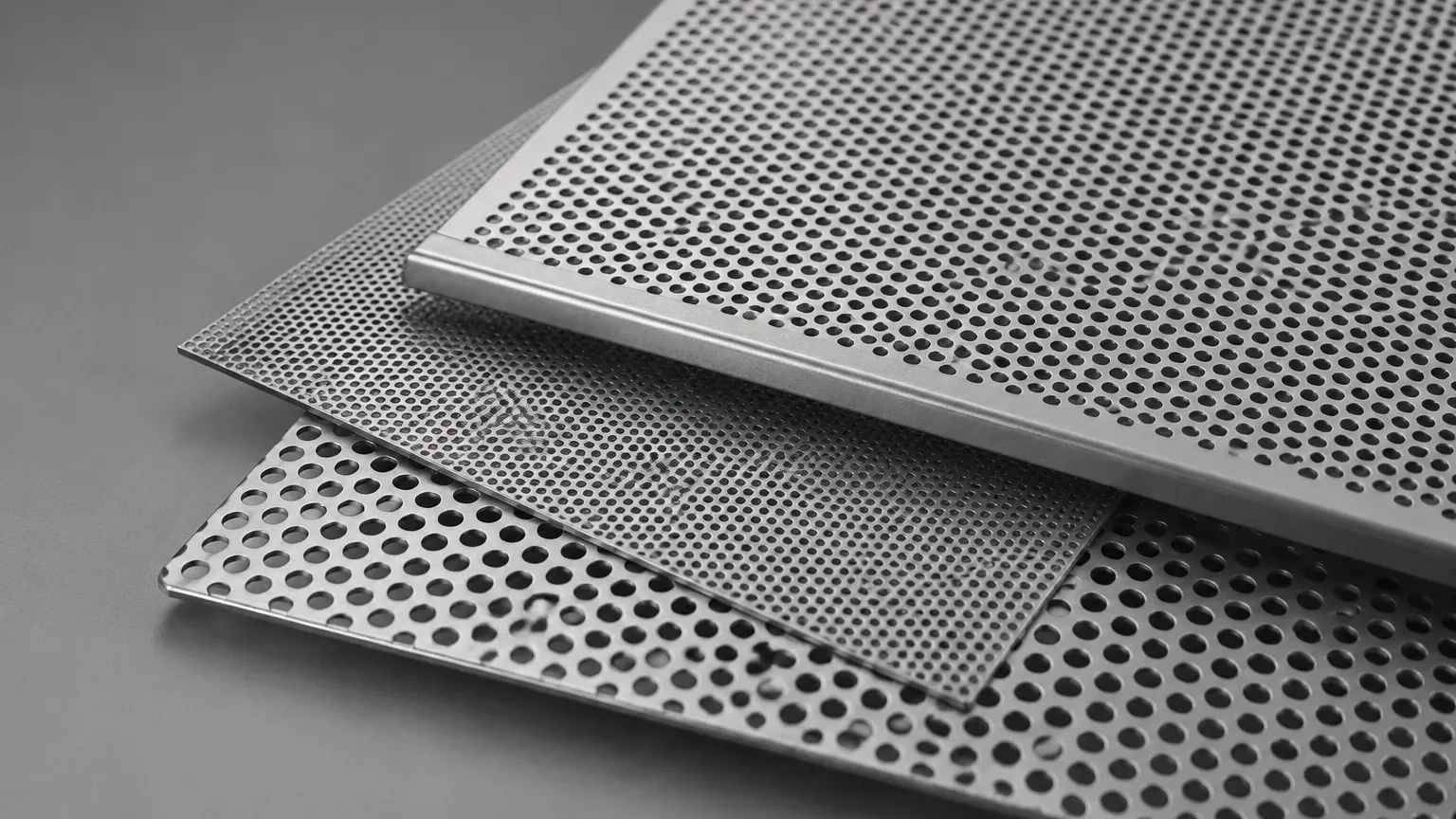
Perforated and expanded metals are versatile materials created through distinct manufacturing processes, each offering unique advantages for industrial applications. Perforated metal is produced by punching a series of holes into a solid sheet, allowing for precise control over hole size, shape, and spacing. This precision makes it ideal for applications requiring specific filtration levels or controlled airflow.
Expanded metal, conversely, is manufactured by simultaneously slitting and stretching the metal sheet. This process creates a diamond-shaped mesh that is structurally rigid because it is made from a single piece of material with no joins or welds. In the context of a pac clad perforated metal panel, the focus is often on the perforated variety due to its ability to maintain a flat, uniform surface that accepts high-performance coatings while providing consistent open areas for ventilation.
In industrial environments, these components serve several critical functions:
- Filtration and Separation: Acting as the primary media or support structure for finer mesh in liquid and gas filtration.
- Acoustic Dampening: Reducing noise levels in machinery enclosures by allowing sound waves to pass through to absorbing materials.
- Thermal Management: Facilitating heat dissipation in electronic and mechanical housings.
- Safety and Security: Providing protective barriers that allow visibility and airflow while preventing unauthorized access or accidental contact with moving parts.
Technical Specifications for Pac Clad Perforated Metal Panel Applications
When specifying a pac clad perforated metal panel for an industrial or architectural project, engineers must define several geometric and mechanical parameters. These specifications dictate how the panel will behave under load and how effectively it will perform its intended function.
Hole Patterns and Geometry
The geometry of the perforations is the most significant factor in determining the panel's performance. Common patterns include:
- Round Holes: The most popular choice due to their versatility and ease of manufacturing. They offer a good balance of strength and open area.
- Square Holes: Often used when a higher open area is required, though they may offer less structural rigidity than round holes under certain loading conditions.
- Slotted Holes: Ideal for sorting and grading applications where the direction of flow or the shape of the particles matters.
Staggered vs. Straight Centers
The arrangement of holes—whether staggered (usually at 60 degrees) or in straight rows—affects both the aesthetics and the mechanical properties. A 60-degree staggered pattern is the industry standard because it provides the highest degree of structural uniformity and the most efficient use of space for maximizing open area.
Open Area Percentage
The "open area" is the total area of the holes divided by the total area of the sheet, expressed as a percentage. This is a critical calculation for engineers designing systems for airflow or filtration. For example, a panel with a 40% open area will allow significantly more air to pass through than one with 20%, but it will also have lower mechanical strength. Calculating the exact open area is essential to prevent excessive pressure drops in industrial ventilation or filtration systems.
Material Selection: Balancing Aesthetics with Industrial Performance
While the "clad" in pac clad perforated metal panel refers to the high-performance finish applied to the metal, the substrate material is what determines the component's lifespan in harsh environments. Kaifil specializes in stainless steel solutions, which are often the preferred choice for industrial applications due to their inherent durability.
Stainless Steel Grades
- Grade 304: The most common stainless steel, offering excellent corrosion resistance in standard industrial environments. It is suitable for most indoor and mild outdoor applications.
- Grade 316/316L: Contains molybdenum, which provides superior resistance to chlorides and marine environments. This is the standard for chemical processing, pharmaceutical manufacturing, and coastal architectural projects.
Aluminum and Other Alloys
Aluminum is frequently used for pac clad perforated metal panel applications because it is lightweight and naturally resistant to atmospheric corrosion. When coated with high-performance finishes, aluminum panels provide a long-lasting, low-maintenance solution for building exteriors and light-duty industrial screens.
The Importance of Surface Finishing
In industrial filtration and component manufacturing, the finish is not just about appearance. Processes such as passivation for stainless steel remove free iron from the surface, enhancing the material's natural corrosion resistance. For architectural applications, the cladding or coating must be UV-resistant and capable of withstanding thermal expansion and contraction without cracking or peeling.
Structural Integrity and Open Area Calculations
One of the most common challenges for engineers is maintaining structural integrity while achieving the necessary open area. As the percentage of open area increases, the "bar" (the metal remaining between the holes) becomes narrower, which can lead to deformation under stress.
Calculating Load-Bearing Capacity
Engineers must consider the yield strength of the base material and how the perforation pattern reduces the effective cross-sectional area. In applications such as industrial flooring or heavy-duty debris screens, the orientation of the staggered pattern relative to the span can significantly impact the panel's ability to resist bending.
Pressure Drop Considerations
In filtration and HVAC applications, the perforated metal acts as a restriction to flow. The pressure drop ($ΔP$) across a pac clad perforated metal panel is a function of the fluid velocity, the fluid density, and the open area. A common mistake is underestimating the required open area, leading to system inefficiencies or pump/fan failure. Engineers should consult flow coefficient tables specific to the hole geometry and thickness of the material.
Manufacturing Precision: From Perforation to Finishing
The quality of a perforated metal component is determined by the precision of the manufacturing process. Advanced CNC punching and laser cutting technologies allow for tight tolerances, which are essential when the panels must integrate into complex assemblies or filtration housings.
Edge Margins and Custom Borders
Unlike standard stock sheets, custom-engineered panels often require specific "margins"—solid areas around the perimeter of the perforated zone. These margins provide the necessary space for welding, bolting, or framing without compromising the hole pattern. Proper margin design ensures that the panel can be securely mounted and that stress concentrations are minimized at the attachment points.
Leveling and Degreasing
The perforation process can introduce internal stresses into the metal, causing the sheet to curl or bow. High-quality manufacturers use precision leveling equipment to ensure the final panels are flat within specified tolerances. Additionally, degreasing is a vital step, especially for panels intended for the food, beverage, or pharmaceutical industries, where any residual lubricants from the punching process could contaminate the end product.
Integration and Installation in Industrial Systems
Successful implementation of a pac clad perforated metal panel requires careful consideration of how it will be installed and maintained. Whether the panel is used as a decorative facade or a functional industrial screen, the method of attachment must account for environmental factors.
Thermal Expansion
Metal panels expand and contract with temperature changes. In outdoor architectural applications or high-heat industrial processes, the mounting system must allow for this movement. Slotted mounting holes or flexible gaskets are often employed to prevent the panels from buckling or shearing their fasteners.
Galvanic Corrosion Prevention
When installing stainless steel or aluminum panels, it is crucial to avoid direct contact with dissimilar metals (such as carbon steel fasteners). This can lead to galvanic corrosion, which rapidly degrades the material at the contact points. Using non-conductive washers or choosing fasteners made from the same material as the panel is a standard best practice.
Evaluating Long-Term Value and Maintenance
The total cost of ownership for perforated metal components includes not only the initial purchase price but also the costs associated with maintenance, cleaning, and eventual replacement.
Cleaning and Hygiene
In the food and pharmaceutical sectors, the ability to clean the filtration media is paramount. Stainless steel perforated panels are favored because they can withstand high-pressure washdowns and aggressive cleaning chemicals. The smooth surface of a properly finished panel prevents the accumulation of biofilms and particulate matter.
Replacement Cycles
While highly durable, perforated metal is subject to wear, especially in abrasive environments or applications with high vibration. Regular inspection of the "bars" between holes for signs of fatigue cracking or erosion is necessary to prevent catastrophic failure. Choosing the correct material grade and thickness at the outset can significantly extend the replacement cycle, providing better long-term value.
Conclusion: Selection Checklist for Engineers
Before finalizing a purchase or specification for a pac clad perforated metal panel or other Perforated & Expanded Metal products, engineers should confirm the following details:
1. Environment: Will the panel be exposed to corrosive chemicals, high humidity, or extreme temperatures?
2. Function: Is the primary goal filtration, airflow, sound dampening, or structural support?
3. Open Area: What is the minimum open area required to meet performance targets without compromising strength?
4. Material Grade: Is Grade 304 sufficient, or does the application demand the superior resistance of Grade 316L?
5. Tolerances: What are the allowable deviations for hole diameter, pitch, and overall panel dimensions?
6. Finishing: Does the application require passivation, electropolishing, or a specific architectural coating?
By addressing these technical requirements, procurement teams can ensure they receive a product that meets the rigorous demands of industrial service while benefiting from the manufacturing expertise of a specialized provider like Kaifil.
