


Perforated Metal Cabinet
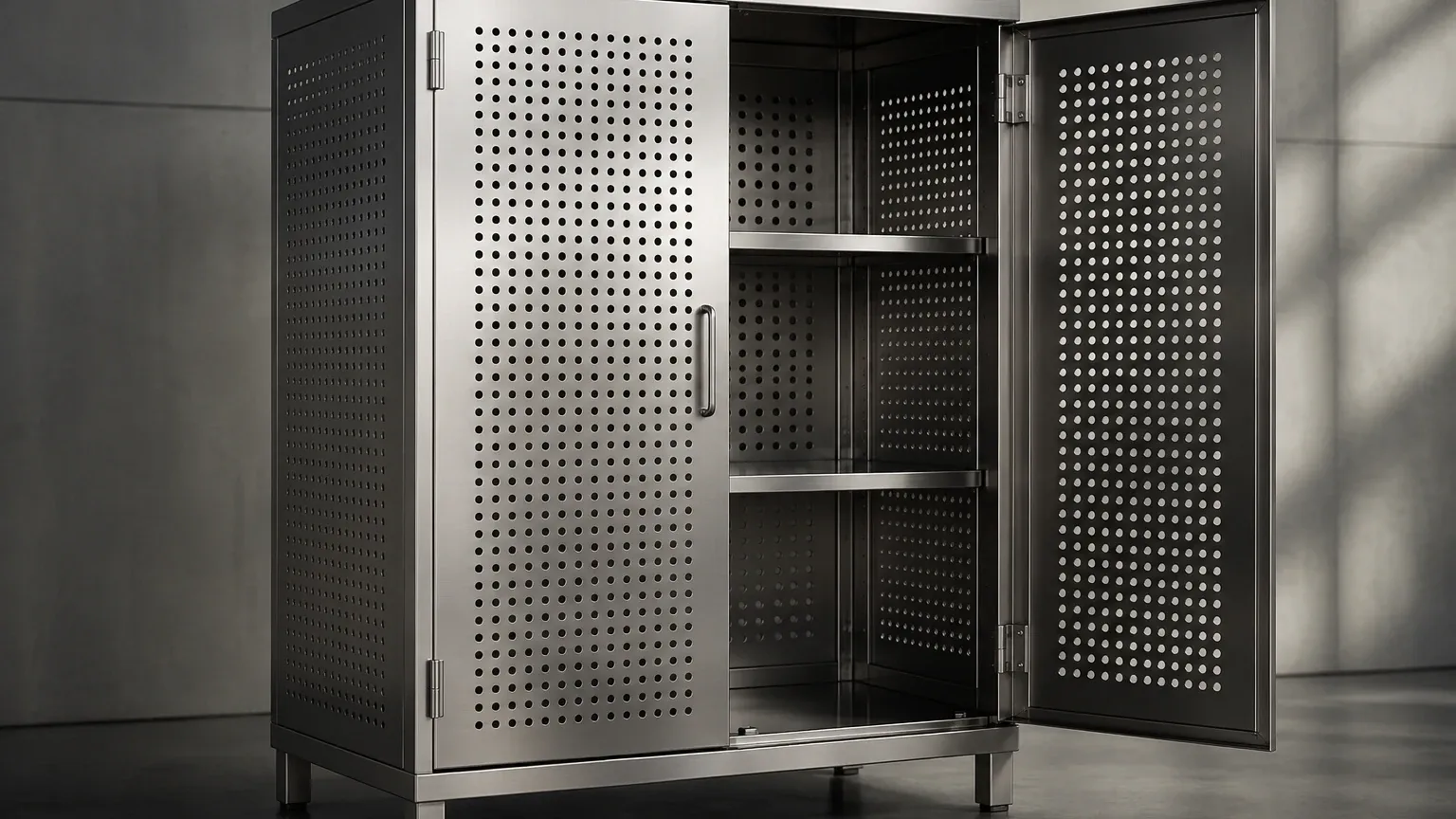
In industrial environments, the storage and protection of sensitive equipment require a balance between structural security and environmental control. A perforated metal cabinet serves as a specialized enclosure solution that addresses these dual requirements by utilizing precision-engineered metal sheets. Unlike solid-walled enclosures, these cabinets leverage the unique properties of Perforated & Expanded Metal to facilitate airflow, allow for visual inspection, and manage heat dissipation while maintaining a robust physical barrier.
For engineers and procurement professionals, selecting the right perforated metal cabinet involves more than choosing a size. It requires a deep understanding of material science, perforation patterns, and the specific demands of the operating environment. Whether used for housing server components, chemical reagents, or hydraulic control systems, the technical specifications of the metal mesh or perforated sheet dictate the long-term performance and reliability of the enclosure.
The Engineering Behind Perforated and Expanded Metal Enclosures
The functionality of a perforated metal cabinet is fundamentally tied to the manufacturing process of its panels. There are two primary methods for creating the breathable surfaces used in these cabinets: perforating and expanding.
Perforated Metal Sheets
Perforated metal is created by mechanically punching or laser-cutting holes into a solid metal sheet. This process allows for high precision in hole placement and shape. In industrial cabinet design, round holes are the most common due to their structural stability and ease of manufacturing. However, square or hexagonal patterns may be used when a higher "open area" percentage is required for maximum ventilation. The remaining material between the holes, known as the "bridge," provides the necessary stiffness to prevent the cabinet panels from warping under load.
Expanded Metal Components
Expanded metal is produced by simultaneously slitting and stretching a metal sheet. This creates a diamond-shaped pattern without any material waste. For industrial cabinets, expanded metal offers a high strength-to-weight ratio. The strands and bonds of expanded metal are set at an angle, which can provide directional screening—allowing airflow while obscuring the view from certain angles or preventing the ingress of large debris. This makes expanded metal an excellent choice for heavy-duty storage where impact resistance is a priority.
Material Selection for Industrial Durability
When specifying a perforated metal cabinet, the choice of material is the most critical factor influencing its service life, especially in corrosive or high-hygiene environments. At Kaifil, the focus is often on stainless steel due to its superior mechanical properties.
Stainless Steel (304 and 316 Grades)
Stainless steel is the industry standard for high-performance filtration and enclosure components. Grade 304 offers excellent corrosion resistance for general industrial use, while Grade 316 contains molybdenum, providing enhanced resistance to chlorides and acidic environments. In chemical processing or pharmaceutical facilities, a 316 stainless steel perforated metal cabinet is often mandatory to withstand aggressive cleaning agents and prevent oxidation.
Carbon Steel and Galvanized Options
For indoor applications where moisture and chemicals are not a concern, carbon steel provides a cost-effective alternative. To prevent rust, these cabinets are typically powder-coated or galvanized. However, for long-term durability in demanding industrial sectors, stainless steel remains the preferred choice due to its inherent resistance to physical wear and environmental degradation.
Optimizing Airflow and Open Area Calculations
The primary technical advantage of using a perforated metal cabinet is the ability to manage the internal climate of the enclosure without active cooling systems, or to supplement HVAC systems. Engineers must calculate the "open area" to ensure adequate ventilation.
Calculating Open Area
The open area is the ratio of the total area of the holes to the total area of the sheet, expressed as a percentage. For example, a cabinet designed for high-heat electronics might require an open area of 60% or more.
* Round Holes (Staggered): This pattern is popular because it offers a high open area while maintaining uniform strength across the panel.
* Square Holes: These provide the highest open area for maximum airflow but may reduce the overall rigidity of the cabinet if the bridges are too narrow.
Heat Dissipation and Filtration
In many industrial settings, the perforated metal cabinet acts as a first stage of filtration. While allowing air to circulate and cool internal components, the hole size can be specified to prevent the entry of larger particulates or pests. If fine filtration is required, the perforated panels can serve as a support structure for finer wire mesh liners, combining structural integrity with precision filtration capabilities.
Structural Integrity and Load-Bearing Considerations
An industrial perforated metal cabinet must do more than just breathe; it must protect. The structural integrity of the cabinet depends on the gauge (thickness) of the metal and the design of the frame.
Gauge Selection
Thinner gauges (e.g., 20 to 18 gauge) are suitable for small, wall-mounted cabinets. However, for large, floor-standing industrial units, 14 or 12 gauge stainless steel is typically required. The perforating process can slightly reduce the overall stiffness of the sheet, so engineers often incorporate bends, ribs, or reinforced frames to compensate for the removed material.
Security and Visibility
One of the unique benefits of a perforated metal cabinet is the ability to perform visual inventory checks without opening the door. This is particularly useful in tool cribs or chemical storage areas where security is paramount. The perforation size must be small enough to prevent "reach-through" theft or tampering while remaining large enough for clear visibility and airflow.
Customization and OEM Capabilities
Standard off-the-shelf cabinets rarely meet the specific needs of complex industrial systems. Customization is often necessary to integrate the cabinet into existing workflows or equipment layouts.
Tailored Hole Patterns
Beyond standard circles and squares, CNC perforating technology allows for custom patterns. This can include zones of different hole densities—for example, higher perforation density at the bottom and top of the cabinet to encourage a chimney effect for natural convection cooling.
Precision Components and Integration
As a manufacturer specializing in precision metal filter components, Kaifil understands the importance of tight tolerances. A custom perforated metal cabinet can be designed with specific cut-outs for cable management, mounting brackets for internal sensors, or specialized locking mechanisms. OEM services allow businesses to receive components that are ready for immediate installation into larger industrial assemblies.
Applications Across Demanding Industries
The versatility of perforated and expanded metal makes these cabinets essential in various sectors:
1. Chemical and Petrochemical: Used for storing sensitive testing equipment or hazardous materials that require constant venting to prevent the buildup of fumes.
2. Food and Beverage: Stainless steel cabinets with high-polish finishes ensure hygiene compliance while allowing washdown water to drain and air to dry internal components, preventing bacterial growth.
3. Data Centers and IT: Server cabinets rely heavily on perforated doors to manage the massive heat output of modern computing hardware.
4. Hydraulic and Mechanical Systems: Protecting pumps and valves from physical impact while allowing operators to monitor for leaks or pressure changes through the perforated surface.
Maintenance and Long-Term Performance
To ensure the longevity of a perforated metal cabinet, regular maintenance is required, especially in high-dust or outdoor environments.
* Cleaning: The holes in a perforated cabinet can accumulate dust over time, which restricts airflow. Compressed air or soft-bristle brushes are typically used to clear the perforations. For stainless steel, periodic cleaning with appropriate stainless steel cleaners prevents tea-staining and maintains the material's protective oxide layer.
* Inspection: In high-vibration environments, such as near heavy machinery, the fasteners and welds of the cabinet should be inspected for fatigue. The inherent flexibility of expanded metal can sometimes be an advantage here, as it absorbs micro-vibrations better than rigid solid sheets.
Key Considerations for Procurement Teams
When sourcing a perforated metal cabinet for an industrial project, confirming the following technical details with the manufacturer will ensure the final product meets the application requirements:
* Material Grade: Is 304 sufficient, or is 316 required for corrosion resistance?
* Open Area Percentage: Does the design provide enough airflow for the heat load of the internal equipment?
* Hole Geometry: Is a staggered round hole pattern optimal for the required strength, or is an expanded metal diamond pattern better for weight savings?
* Finishing Requirements: Does the cabinet need electropolishing, powder coating, or a specific surface roughness (Ra) for hygienic applications?
* Load Capacity: What is the maximum weight the internal shelving and the overall structure must support?
By focusing on these engineering realities, purchasing teams can move beyond generic storage solutions and invest in high-performance enclosures that enhance the efficiency and safety of their operations. For those seeking specialized components, exploring professional options in Perforated & Expanded Metal is the first step toward a customized, durable filtration or storage solution.
