


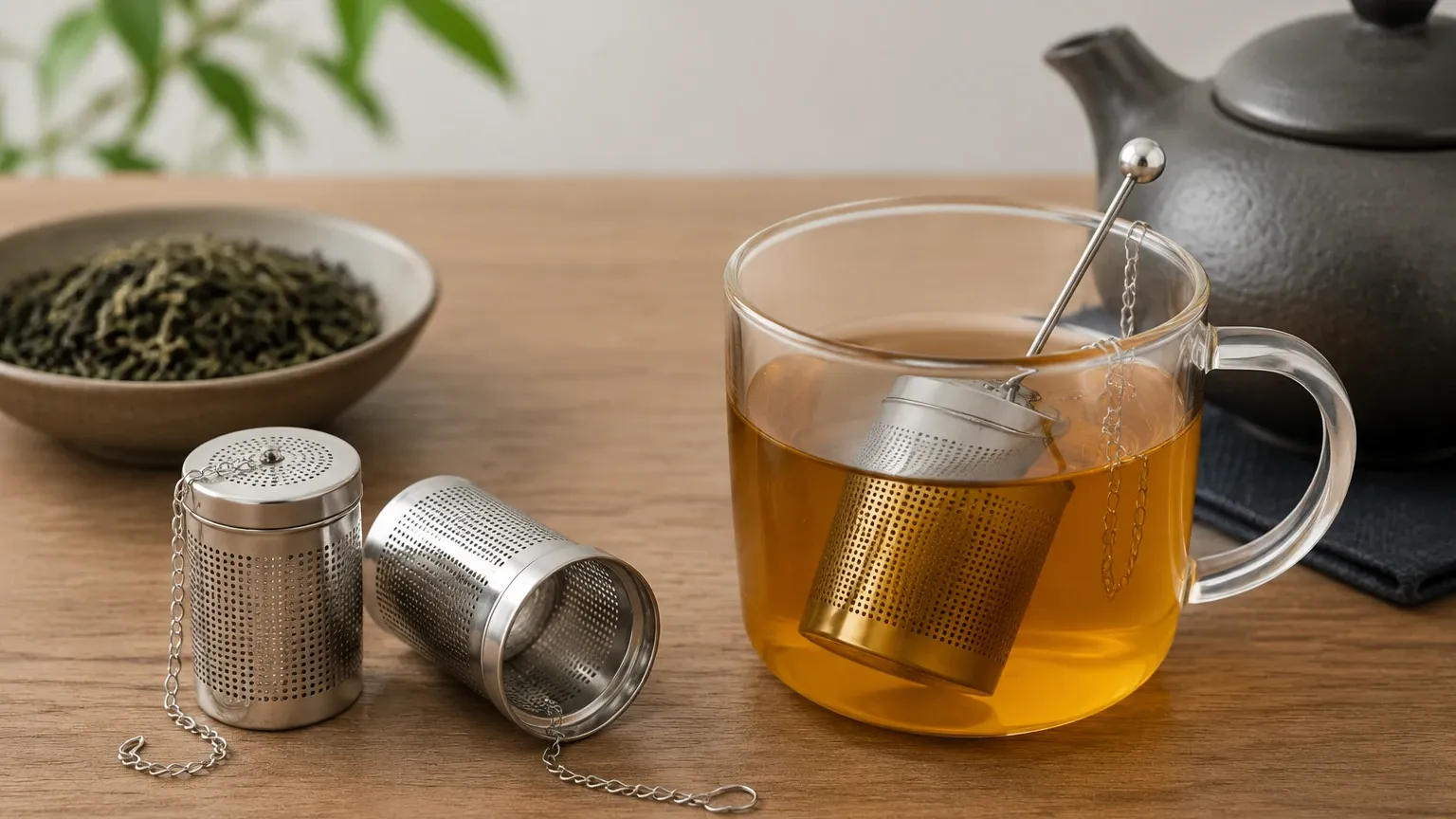
Perforated Metal Device Used to Steep Tea
In the realm of industrial food and beverage processing, the precision of filtration components directly impacts the quality of the final product. A perforated metal device used to steep tea—often referred to in commercial contexts as an infuser, strainer, or steeping basket—represents a critical intersection of mechanical engineering and fluid dynamics. Unlike consumer-grade mesh, industrial steeping components must withstand rigorous cleaning cycles, maintain structural integrity under thermal stress, and provide consistent flow rates across large-scale production batches.
For engineers and procurement specialists, selecting the right Perforated & Expanded Metal for these devices involves a deep understanding of material science, aperture geometry, and the chemical interactions between the steeping medium and the metal surface. This guide examines the technical requirements and selection criteria for perforated metal devices used in professional steeping applications.
Engineering Fundamentals of Steeping and Infusion
Steeping is a process of solid-liquid extraction where soluble compounds are dissolved from botanical materials into a solvent, typically water. The efficiency of this process in a perforated metal device used to steep tea is governed by the rate of diffusion and the movement of the solvent through the bed of tea leaves.
From an engineering perspective, the perforated metal serves two primary functions: containment and circulation. The device must contain the solids (tea leaves) while allowing the solvent to pass through with minimal resistance. The "open area" of the perforated metal—the ratio of the area of the holes to the total area of the sheet—is the most critical factor here. A higher open area reduces pressure drop and allows for faster infusion, but it may compromise the structural rigidity of the device or allow smaller particles (fines) to escape into the liquid.
Material Selection: Why Stainless Steel is Mandatory
In industrial and commercial food service, the choice of material for a perforated metal device used to steep tea is non-negotiable. Stainless steel is the industry standard due to its corrosion resistance, mechanical strength, and non-reactive properties.
Grade 304 Stainless Steel
Grade 304 is the most common material for food-grade applications. It offers excellent resistance to organic acids and is highly durable. For most standard steeping applications where the device is cleaned regularly and not exposed to high concentrations of chlorides, 304 provides an optimal balance of performance and cost.
Grade 316L Stainless Steel
For high-end industrial processing or environments where the equipment is subjected to aggressive Clean-in-Place (CIP) chemicals, Grade 316L is preferred. The addition of molybdenum provides superior resistance to pitting and crevice corrosion. In a perforated metal device used to steep tea, 316L ensures that the small apertures do not degrade or clog due to microscopic corrosion over years of service.
Technical Specifications: Hole Patterns and Aperture Size
The performance of Perforated & Expanded Metal in steeping applications is defined by the geometry of the perforations. While various patterns exist, three are most common in filtration:
1. Round Holes (Staggered): This is the most popular pattern for steeping devices. Staggered round holes provide the best combination of open area and sheet strength. They are also easier to clean than angular holes, as there are no sharp corners where organic matter can accumulate.
2. Square Holes: These offer a higher open area than round holes of the same diameter, which can increase infusion speed. However, they are more prone to structural deformation under high pressure.
3. Micro-Perforations: For fine-cut tea or herbal infusions, micro-perforated sheets with hole diameters as small as 0.1mm to 0.5mm are used. These are typically produced via precision CNC punching or chemical etching to ensure uniformity.
When specifying a perforated metal device used to steep tea, engineers must calculate the "fines retention" requirement. If the holes are too large, the resulting liquid will be cloudy and contain sediment. If the holes are too small, the device may suffer from "blinding," where particles become wedged in the apertures, significantly reducing flow rates.
Manufacturing and Customization of Steeping Components
Manufacturing a high-performance perforated metal device used to steep tea requires several precision steps. At Kaifil, the process begins with selecting the appropriate gauge of stainless steel sheet, typically ranging from 0.5mm to 2.0mm depending on the size of the industrial vessel.
Punching and Forming
The holes are punched using high-speed CNC presses that ensure consistent spacing and edge quality. Once perforated, the sheet is rolled into the desired shape—usually cylindrical or conical. Precision in the rolling process is vital to ensure that the seam aligns perfectly for welding.
Welding and Assembly
Industrial steeping devices often utilize TIG (Tungsten Inert Gas) or plasma welding. These methods provide clean, strong joints without the need for filler metals that could contaminate the food product. The weld must be smooth and free of burrs to prevent tea leaves from snagging and to facilitate easy cleaning.
Surface Finishing
After fabrication, the device undergoes finishing. Electropolishing is highly recommended for a perforated metal device used to steep tea. This electrochemical process removes a microscopic layer of material, smoothing out the surface at a molecular level. Electropolished surfaces are significantly more resistant to bacterial growth and are easier to sanitize in a commercial environment.
Comparing Perforated Metal vs. Woven Wire Mesh
Engineers often choose between perforated metal and woven wire mesh for filtration tasks. While woven mesh can offer finer filtration (smaller micron ratings), perforated metal offers several distinct advantages for steeping applications:
* Rigidity: Perforated metal is a single, solid sheet. It does not fray or unravel, which is a common failure point for woven mesh in high-vibration industrial environments.
* Cleanability: The smooth, flat surface of perforated metal is easier to scrub and sanitize. Woven mesh has "knuckles" where wires overlap, creating tiny crevices that can trap organic oils and tannins, leading to rancidity over time.
* Durability: Perforated metal can withstand higher mechanical loads and back-flushing pressures without deforming. This makes it more suitable for large-scale industrial extractors.
Maintenance, Hygiene, and Total Cost of Ownership
In a B2B context, the total cost of ownership (TCO) for a perforated metal device used to steep tea is determined by its lifespan and the labor required for maintenance. A cheaply made device with irregular perforations or poor-quality welds will require frequent replacement and may lead to batch contamination.
Cleaning Protocols
To maintain optimal flow rates, devices should be cleaned using alkaline detergents to break down tea oils. Because stainless steel Perforated & Expanded Metal is robust, it can be subjected to ultrasonic cleaning or high-pressure steam sterilization without risk of damage.
Inspection Cycles
Regular inspection of the apertures is necessary to check for "peening" (where the holes become slightly closed due to mechanical impact) or chemical scaling. In hard water environments, calcium deposits can build up around the edges of the perforations, effectively reducing the open area and slowing down the production cycle.
Conclusion: Selecting the Right Partner for Filtration Solutions
A perforated metal device used to steep tea is more than a simple container; it is a precision-engineered component that determines the efficiency and quality of the infusion process. For industrial applications, the focus must remain on material integrity, precise aperture sizing, and hygienic design.
At Kaifil, we specialize in manufacturing custom stainless steel filtration solutions that meet the demanding requirements of the food and beverage industry. By combining advanced manufacturing capabilities with deep technical expertise, we help our clients optimize their steeping and filtration processes for maximum durability and performance. Whether you require standard cylindrical baskets or complex, custom-designed perforated components, our engineering team is equipped to provide solutions that balance filtration accuracy with long-term operational reliability.
