


Perforated Metal Impression Trays
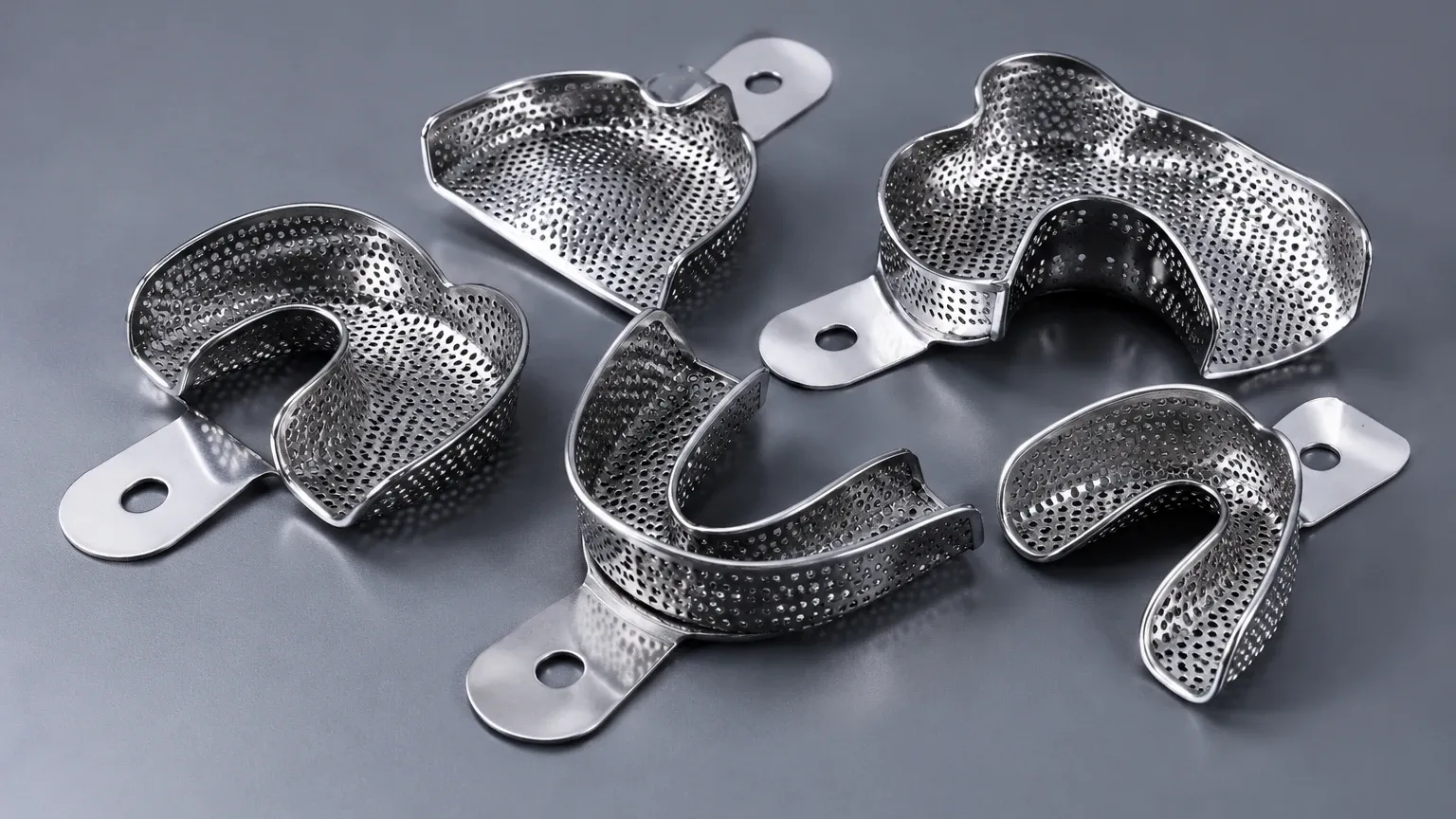
In the realm of precision manufacturing and specialized medical equipment, the structural integrity of a molding tool is the primary determinant of the final product's accuracy. Perforated metal impression trays serve as the foundational framework for capturing high-fidelity molds of complex geometries. Whether utilized in clinical dental environments or industrial casting processes, these trays must balance rigidity, material retention, and sterilization compatibility.
For engineers and procurement specialists, selecting the right tray involves a deep understanding of metallurgy and fluid dynamics. The tray is not merely a container; it is a functional component that interacts with the impression material to ensure dimensional stability. This guide explores the technical specifications, material requirements, and engineering considerations essential for the effective implementation of perforated metal impression trays.
The Role of Perforation in Impression Accuracy
The primary technical challenge in creating an accurate mold is ensuring that the impression material—whether it be silicone, alginate, or an industrial polymer—remains bonded to the tray during the removal process. If the material pulls away or shifts even slightly, the resulting mold is compromised.
Perforation provides a mechanical lock. As the viscous impression material is pressed into the tray, a portion of it is extruded through the holes. Once the material sets or cures, these "mushrooms" of material on the exterior of the tray act as physical anchors. This mechanical retention is often superior to chemical adhesives alone, particularly in high-moisture environments or applications involving high-viscosity materials.
When evaluating Perforated & Expanded Metal for these applications, engineers must consider the open area ratio. A higher open area allows for easier extrusion and stronger mechanical locking but can compromise the structural rigidity of the tray if the remaining metal bridges are too thin. Conversely, insufficient perforation may lead to material delamination. The goal is a balanced hole pattern that facilitates retention without allowing the tray to flex under the pressure of the impression process.
Material Engineering: Why Stainless Steel is Standard
In both industrial and medical contexts, the material choice for impression trays is almost exclusively stainless steel, specifically grades 304 and 316L. The reasons for this selection are rooted in the demanding lifecycle of the component.
Corrosion Resistance
Impression materials often contain chemicals or moisture that can be corrosive to standard carbon steels. Furthermore, in clinical settings, trays are subjected to rigorous cleaning agents and high-pressure steam in autoclaves. Stainless steel’s chromium-rich oxide layer provides the necessary protection against pitting and surface degradation, ensuring the tray remains smooth and free of contaminants over hundreds of cycles.
Thermal Stability
Industrial molding processes may involve exothermic reactions or pre-heated materials. Stainless steel maintains its mechanical properties across a wide temperature range. It does not warp or lose its temper when subjected to the heat of sterilization or the heat generated during the curing of certain resins.
Structural Rigidity
Unlike plastic alternatives, perforated metal impression trays offer high modulus of elasticity. This means they resist deformation when the user applies pressure to seat the tray. Any flex in the tray during the setting phase of the material will result in a distorted mold. Stainless steel provides the thin-wall strength necessary to keep the tray low-profile while remaining completely rigid.
Technical Specifications of Perforated & Expanded Metal in Trays
The performance of an impression tray is dictated by the geometry of its perforations. Standard specifications for these components typically involve round hole patterns, though staggered configurations are preferred for optimized strength-to-weight ratios.
1. Hole Diameter: For most medium-viscosity impression materials, hole diameters typically range from 1.5mm to 3.0mm. Smaller holes may be used for low-viscosity fluids to prevent excessive leakage, while larger holes are utilized for heavy-body materials to ensure adequate flow-through.
2. Pitch and Center-to-Center Distance: The distance between holes determines the "bridge" width. In precision trays, a staggered 60-degree pattern is often employed to maximize the number of holes per square inch while maintaining the structural integrity of the stainless steel sheet.
3. Sheet Thickness: Most professional-grade trays are manufactured from stainless steel sheets ranging from 0.8mm to 1.2mm in thickness. This provides the necessary stiffness without making the tray overly heavy or bulky for the user.
4. Edge Treatment: Because these trays are often used in sensitive environments, the edges of the perforated metal must be hemmed or deburred. High-quality manufacturing involves precision stamping and subsequent polishing to ensure that no sharp edges remain where the metal has been cut or perforated.
Manufacturing Challenges and Quality Control
Producing a high-quality perforated metal impression tray requires more than just punching holes in a metal sheet. The manufacturing process involves several critical steps where precision is paramount.
Precision Perforating
The perforating process must be clean. Burrs on the inside of the holes can trap impression material, making the tray difficult to clean and potentially contaminating future molds. Advanced CNC punching or laser cutting is used to ensure each hole is uniform and smooth.
Forming and Drawing
After perforation, the flat sheet must be formed into the complex anatomical or industrial shape of the tray. This is a challenging stage because the perforated areas behave differently under stress than solid metal. If not managed correctly, the holes can become elongated or the metal can crack at the bridges. Specialized dies and hydraulic presses are required to maintain the integrity of the hole pattern during the drawing process.
Finishing and Passivation
Once formed, the trays undergo a finishing process. Electropolishing is frequently used for stainless steel filtration and medical components. This process not only smooths the surface at a microscopic level but also enhances the corrosion resistance by stripping away free iron from the surface and thickening the protective passive layer. For B2B buyers, confirming that a manufacturer uses a proper passivation process is essential for ensuring the long-term durability of the trays.
Evaluating Total Cost of Ownership and Durability
When procurement teams compare perforated metal impression trays to disposable plastic alternatives, the primary consideration is the total cost of ownership (TCO). While the initial capital expenditure for stainless steel trays is higher, their lifespan and performance often make them the more cost-effective choice in the long run.
* Reusability: A high-quality stainless steel tray can last for years, even with daily sterilization cycles. In contrast, plastic trays are often single-use, leading to significant waste and recurring procurement costs.
* Accuracy and Reduced Rework: The rigidity of metal trays significantly reduces the risk of mold distortion. In industrial and medical applications, a single failed impression can result in lost labor time, wasted expensive molding materials, and delays in production or treatment. The reliability of metal trays minimizes these "hidden" costs.
* Environmental Impact: As industries move toward more sustainable practices, the shift from single-use plastics to durable, recyclable stainless steel components is a key strategic move.
Customization and OEM Considerations for Industrial Applications
While standard sizes exist for dental and general medical use, many industrial applications require custom perforated metal impression trays. These might be used for taking impressions of mechanical parts for reverse engineering, creating custom gaskets, or sampling materials in chemical processing.
When working with an OEM manufacturer like Kaifil, engineers can specify unique parameters:
* Custom Geometries: Trays designed to fit specific mechanical housings or non-standard anatomical structures.
* Variable Perforation Zones: Designing a tray with solid sections for structural support and perforated sections only where material retention is critical.
* Integrated Handles and Fittings: Adding welded handles or specialized attachment points for automated sampling equipment.
* Specific Alloy Requirements: For highly aggressive chemical environments, moving from 304 stainless steel to 316L or even specialized alloys like Hastelloy may be necessary.
Engineers should provide detailed CAD drawings and specify the viscosity of the material being used to ensure the perforation pattern is optimized for the specific application.
Conclusion: Selecting the Right Filtration and Retention Partner
Perforated metal impression trays are a specialized intersection of filtration technology and structural engineering. The same principles that govern the performance of a high-precision stainless steel filter—pore size, material strength, and chemical resistance—apply to the design of an effective impression tray.
Before finalizing a purchase or starting a custom production run, technical teams should confirm the following with their supplier:
1. Material Certification: Ensure the stainless steel meets the required ASTM or ISO standards for the intended environment.
2. Finishing Standards: Verify that the trays are free of burrs and have undergone proper passivation or electropolishing.
3. Structural Testing: For custom designs, ensure the tray can withstand the maximum expected pressure without flexing more than the allowable tolerance for the specific molding process.
By focusing on these technical boundaries, organizations can ensure they are investing in tools that provide the accuracy and durability required for high-stakes impression and molding tasks. For those seeking specialized components, exploring the capabilities of Perforated & Expanded Metal production is the first step toward a robust filtration or retention solution.
