


Perforated Metal Sheet Philippines Price
In the industrial landscape of the Philippines, the demand for high-quality filtration and structural components has grown alongside the expansion of food processing, water treatment, and chemical manufacturing sectors. For engineers and procurement specialists, understanding the variables that influence the perforated metal sheet philippines price is essential for budgeting and ensuring technical compliance. While initial costs are a primary concern, the long-term value of these components is determined by material selection, precision engineering, and application-specific design.
Perforated & Expanded Metal serves as a critical medium for both primary filtration and as a support structure for finer mesh layers. As a specialized manufacturer, Kaifil provides technical insights into how these materials are priced and specified for demanding industrial environments.
Key Factors Determining Perforated Metal Sheet Philippines Price
The cost of perforated metal is not a fixed figure; it is a calculation based on several technical variables. When requesting quotes for projects in the Philippines, several factors will dictate the final expenditure.
1. Material Grade and Composition
The choice of alloy is the most significant price driver. In the Philippines' tropical and often coastal industrial environments, corrosion resistance is paramount.
* Stainless Steel 304: The standard grade for food processing and general industrial use. It offers a balance of cost and corrosion resistance.
* Stainless Steel 316/316L: Contains molybdenum, providing superior resistance to chlorides and acids. This is often required for marine applications or aggressive chemical processing, and it carries a higher price premium over SS304.
* Carbon Steel and Galvanized Steel: These are lower-cost alternatives but are generally unsuitable for high-precision filtration or corrosive environments without additional coatings.
2. Sheet Thickness (Gauge)
The thickness of the base material impacts both the raw material cost and the complexity of the perforation process. Thicker sheets require higher-tonnage presses and result in more wear on the punching tools, which is reflected in the manufacturing cost. For filtration applications, the thickness must be sufficient to withstand operational pressure drops without deforming.
3. Hole Pattern and Open Area
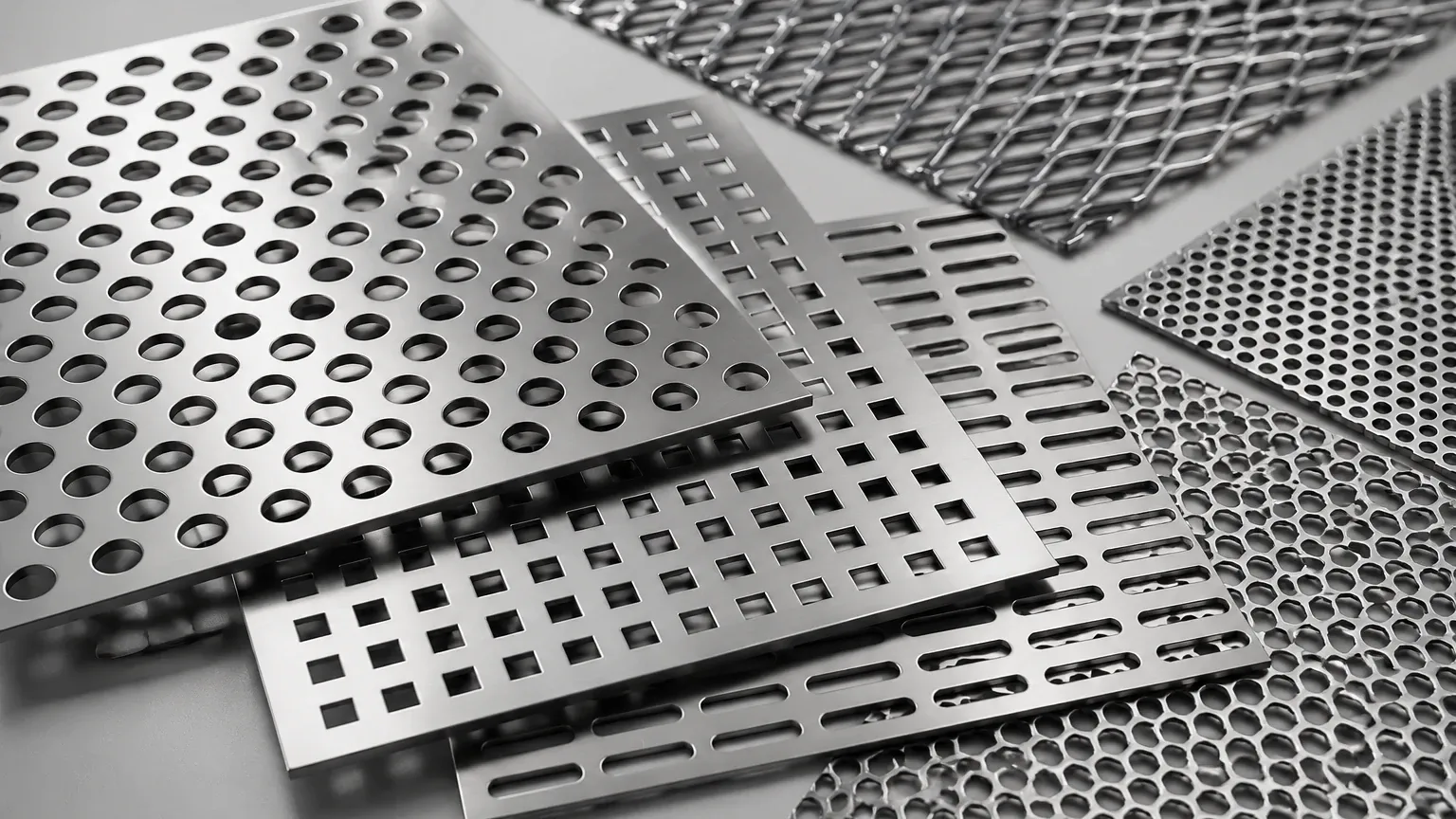
The geometry of the perforations—whether round, square, slotted, or hexagonal—affects the price. Round holes are the most common and cost-effective because the tooling is standardized and durable. Complex patterns or very high open area percentages (the ratio of holes to solid metal) can increase costs due to the precision required to maintain structural integrity during the punching process.
Technical Engineering Considerations for Filtration
When evaluating the perforated metal sheet philippines price, engineers must look beyond the surface cost and consider the performance specifications required for their specific filtration system.
Filtration Accuracy and Hole Diameter
In industrial filtration, perforated sheets often act as a "coarse" filter or a "strainer." The hole diameter determines the size of the particles that will be retained. Smaller holes require more punches per square meter, which increases production time and tool maintenance, thereby raising the price. If the application requires a finer degree of filtration than a perforated sheet can provide, it may be used as a support cage for a fine stainless steel wire mesh.
Pitch and Arrangement
The arrangement of holes—staggered (60-degree) or straight—influences the flow characteristics and the strength of the sheet. A staggered pattern is generally preferred for filtration as it provides a higher open area and more uniform stress distribution. Engineers must calculate the required flow rate to ensure the chosen pattern does not create an excessive pressure drop, which could lead to pump inefficiency or system failure.
Mechanical Strength and Load-Bearing
For applications such as vibrating screens or heavy-duty strainers, the "margins" (the unperforated areas at the edges of the sheet) and the "bridges" (the metal between the holes) are critical. A sheet with a very high open area may be cheaper in terms of weight but might lack the structural rigidity to handle the mechanical load, leading to premature replacement and higher total costs.
Comparing Perforated & Expanded Metal for Industrial Applications
While discussing the perforated metal sheet philippines price, it is important to distinguish between perforated metal and expanded metal, as they serve different engineering needs and have different cost structures.
Perforated Metal is created by punching holes into a solid sheet. This allows for extreme precision in hole size and placement. It is the preferred choice for applications requiring specific flow rates, exact filtration ratings, and smooth surfaces that are easy to clean (C.I.P. – Clean-In-Place).
Expanded Metal is produced by slitting and stretching the metal sheet simultaneously. This process creates a diamond-shaped mesh without any material waste. Because there is no scrap metal produced during manufacturing, expanded metal is often more cost-effective for large-scale structural support, walkways, or coarse screening where the exact geometry of the opening is less critical than the overall strength-to-weight ratio.
Kaifil provides both Perforated & Expanded Metal solutions, allowing engineers to select the most efficient material based on their specific mechanical and budgetary requirements.
Procurement Strategies: Balancing Cost and Quality in the Philippines
For B2B buyers in the Philippines, sourcing perforated metal involves navigating logistics and quality assurance. While local stockists may offer immediate availability for standard sizes, custom industrial projects often require direct cooperation with specialized manufacturers.
OEM and Customization
Standard stock sheets often result in significant material waste when cut to fit specific filter housings or industrial frames. By opting for OEM customization, engineers can specify the exact dimensions, margins, and hole patterns required. While the price per sheet might be higher than off-the-shelf options, the reduction in labor and scrap often results in a lower total project cost.
Quality Documentation
In industries like pharmaceuticals and food processing, the "price" must include the cost of compliance. Reliable manufacturers provide material test reports (MTRs) that verify the chemical composition of the stainless steel. Using unverified materials to save on the initial purchase price can lead to catastrophic corrosion failure or product contamination, which far outweighs any initial savings.
Logistics and Lead Times
When sourcing for the Philippines, consider the impact of shipping and duties on the final landed cost. Bulk orders often significantly reduce the per-unit shipping cost. Furthermore, working with a manufacturer that understands international standards (such as ASTM or ISO) ensures that the products arriving in Manila, Cebu, or Davao meet the technical specifications required by global engineering firms.
Total Cost of Ownership (TCO) in Industrial Filtration
The perforated metal sheet philippines price should always be viewed through the lens of Total Cost of Ownership. A cheaper sheet made from inferior alloy or with poor surface finishing will ultimately cost more due to:
1. Frequent Replacement: Low-grade stainless steel will pit and corrode faster in the humid, saline conditions common in the Philippines.
2. Cleaning Inefficiency: Burrs left over from a low-quality punching process can trap debris and bacteria. High-quality perforated sheets undergo deburring and sometimes electropolishing to ensure a smooth, hygienic surface that reduces cleaning time and chemical usage.
3. System Downtime: If a filter support fails due to poor mechanical design, the entire production line may stop. Investing in a properly engineered perforated component ensures operational continuity.
Conclusion
Navigating the perforated metal sheet philippines price requires a technical understanding of material science, manufacturing processes, and application requirements. Whether you are designing a new filtration system for a chemical plant or replacing components in a food processing facility, the focus should remain on precision and durability.
By selecting the correct grade of stainless steel and the optimal hole configuration, and by considering the advantages of Perforated & Expanded Metal, industrial professionals can achieve a balance between performance and cost-efficiency. Kaifil remains committed to supporting these engineering decisions with high-performance metal components tailored to the rigorous demands of global industrial applications.
