


Perforated Metal Sheet Price in Bangladesh
In the rapidly expanding industrial landscape of Bangladesh, the demand for high-quality metal components has surged across sectors such as textile manufacturing, food processing, pharmaceuticals, and infrastructure development. Among these components, perforated and expanded metals serve as critical elements for filtration, ventilation, and structural support. However, determining the perforated metal sheet price in bangladesh requires a nuanced understanding of material science, manufacturing tolerances, and international logistics. For procurement managers and engineers, focusing solely on the sticker price per sheet often overlooks the technical variables that dictate long-term performance and total cost of ownership.
As a specialized manufacturer, Kaifil provides precision Perforated & Expanded Metal solutions designed to meet rigorous industrial standards. This guide examines the technical and economic factors that influence pricing in the Bangladeshi market, helping technical teams make informed selection and procurement decisions.
Technical Factors Influencing Perforated Metal Pricing
The cost of a perforated metal sheet is not a fixed commodity price; it is a calculation based on material volume, processing time, and tooling complexity. In Bangladesh, where industrial environments can range from high-humidity coastal areas to controlled pharmaceutical cleanrooms, the technical specification is the primary driver of cost.
Material Grade and Composition
Material selection is the most significant variable in the price equation.
* Stainless Steel (SS 304/316L): Stainless steel is the preferred choice for the food, beverage, and chemical industries in Bangladesh due to its corrosion resistance. SS 316L, containing molybdenum, offers superior resistance to chlorides, making it more expensive than SS 304.
* Carbon Steel: Frequently used in structural applications where corrosion is not a primary concern or where the material will be coated. It offers a lower entry price but may require more frequent replacement in humid environments.
* Aluminum: Lightweight and corrosion-resistant, often used in architectural and HVAC applications. Its price fluctuates significantly based on global aluminum market trends.
Sheet Thickness and Gauge
The thickness of the base material directly affects the amount of raw metal used and the force required for perforation. Heavier gauges (thicker sheets) increase the material cost and may require specialized heavy-duty punching presses, which can elevate the processing fee. Conversely, extremely thin foils require high-precision handling to prevent warping during the perforation process, which also carries a technical premium.
Understanding the Perforation Pattern and Open Area
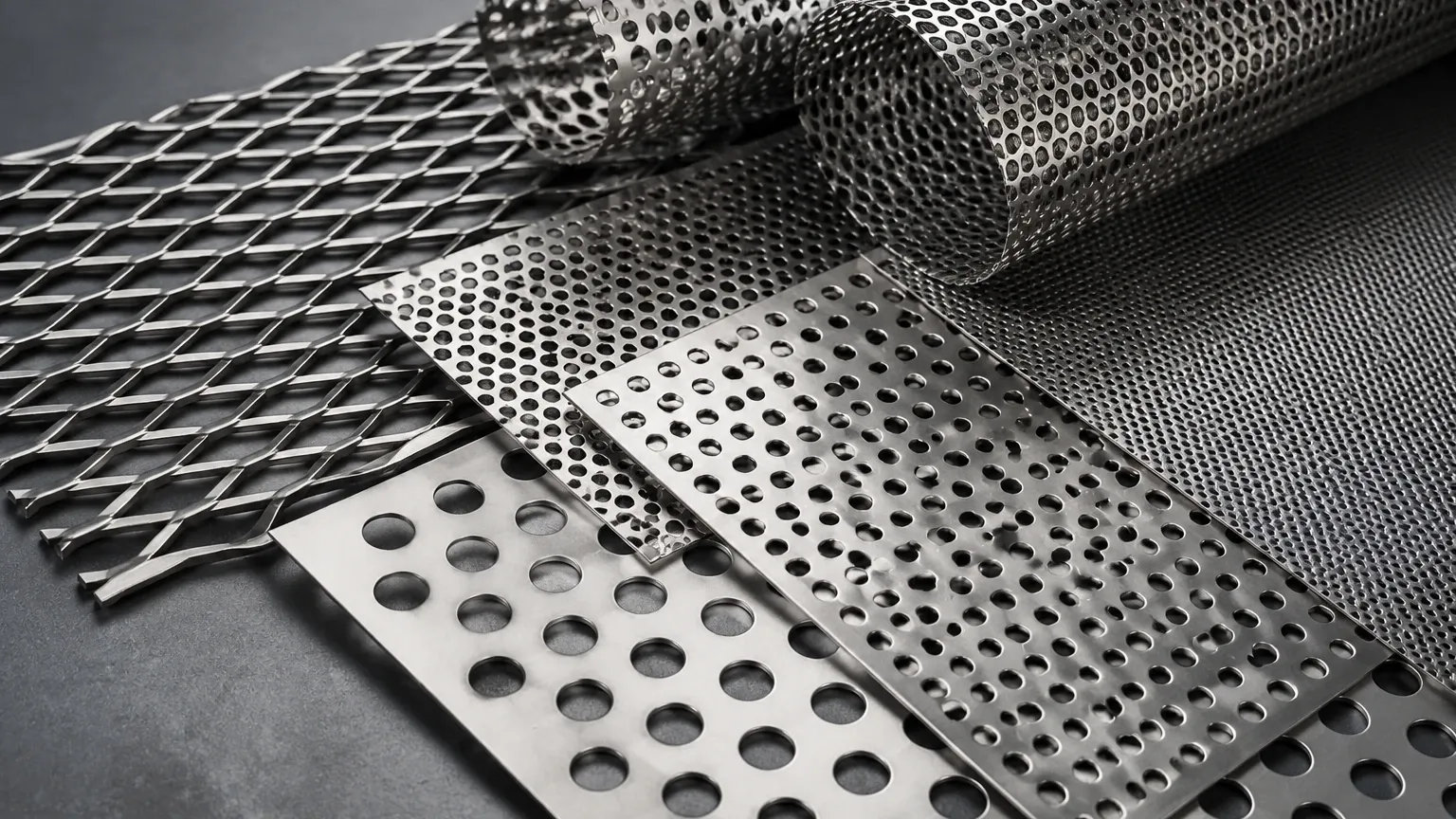
The geometry of the holes—whether round, square, slotted, or hexagonal—and the "open area" percentage are critical engineering metrics that impact the perforated metal sheet price in bangladesh.
Tooling and Precision
Standard round hole patterns are generally the most cost-effective because the tooling is readily available and the wear on the punches is uniform. Custom shapes or extremely small hole diameters (micronic perforation) require specialized CNC drilling or high-precision punching dies. If a project in Bangladesh requires a non-standard pattern, the initial cost may include a tooling charge or a higher setup fee.
The Open Area Calculation
The open area is the ratio of the total area of the holes to the total area of the sheet, expressed as a percentage. A higher open area means more material is removed. While one might assume this reduces the weight and thus the price, high open-area sheets (above 50-60%) often require thicker bridge widths or higher-grade materials to maintain structural integrity. If the bridges between holes are too thin, the sheet may deform during the manufacturing process or fail under pressure in a filtration system.
Perforated vs. Expanded Metal: A Cost Comparison
When evaluating the perforated metal sheet price in bangladesh, it is essential to consider Perforated & Expanded Metal as two distinct options with different cost structures.
Expanded Metal Efficiency
Expanded metal is manufactured by slitting and stretching a solid metal sheet simultaneously. This process creates diamond-shaped openings without any material waste (no "slugs" are punched out). Because there is zero scrap loss, expanded metal is often a more economical choice for applications like walkways, security fencing, and coarse filtration. It provides a high strength-to-weight ratio, which can reduce shipping costs to Bangladesh.
Perforated Metal Precision
Perforated metal is produced by punching holes out of a solid sheet, resulting in material waste in the form of metal slugs. However, perforated metal offers much higher precision in terms of hole size and placement. For fine filtration, acoustic dampening, or specific airflow requirements in industrial machinery, perforated metal is the technically superior—though often more expensive—choice.
Sourcing and Logistics in the Bangladesh Market
For industrial projects in Dhaka, Chittagong, or Gazipur, sourcing perforated metal involves navigating a mix of local stockists and international manufacturers.
Local Stockists vs. Direct Import
Local stockists in Bangladesh often carry standard sizes (e.g., 4ft x 8ft) in common materials like galvanized steel or basic SS 304. While buying locally offers immediate availability, the price includes the stockist's markup and may lack the material certifications required for high-stakes industrial applications.
Directly importing customized components from a manufacturer like Kaifil allows for precise engineering to fit specific machinery. While international shipping and import duties in Bangladesh must be factored into the budget, the reduction in material waste (through custom sizing) and the assurance of material grade often result in a lower total project cost.
Quality Assurance and Certification
In industries like pharmaceuticals and food processing, the "price" of a failure due to low-quality metal is catastrophic. When comparing the perforated metal sheet price in bangladesh, it is vital to verify:
1. Material Mill Test Reports (MTRs): Ensuring the stainless steel is actually the grade claimed.
2. Flatness Tolerances: Sheets that are not properly leveled after perforation can cause installation delays and mechanical stress.
3. Burr-Free Finishes: For filtration applications, burrs can trap contaminants or damage filter media.
Total Cost of Ownership (TCO) for Industrial Filtration
In a B2B context, the initial purchase price is only one component of the budget. Engineers must evaluate the lifespan and maintenance requirements of the metal components.
Durability and Replacement Cycles
A lower-priced perforated sheet made of inferior alloy may succumb to pitting corrosion within months when exposed to the industrial wastewater common in Bangladesh’s textile dyeing units. By investing in a higher-grade Perforated & Expanded Metal product with appropriate surface treatments (such as passivating or pickling), the replacement cycle is extended, significantly reducing the long-term operational expenditure.
Cleaning and Maintenance
Perforated metal used in filtration must be cleaned regularly. Precision-manufactured sheets with smooth hole walls are easier to backwash or chemically clean. Rough edges or inconsistent hole diameters can lead to "blinding" (permanent clogging), necessitating premature replacement of the entire filter element.
How to Optimize Your Procurement Request
To receive an accurate and competitive quote for perforated metal in Bangladesh, procurement teams should provide detailed specifications. Vague requests lead to "safety margins" in pricing from suppliers. Ensure your RFQ (Request for Quote) includes:
* Material Grade: Specify SS 304, SS 316L, or Carbon Steel.
* Dimensions: Exact width, length, and thickness.
* Hole Specification: Diameter, pitch (center-to-center distance), and pattern (staggered or straight).
* Margins: Specify if the sheet requires unperforated borders for welding or mounting.
* Quantity: Bulk orders significantly reduce the per-unit cost due to machine setup efficiencies.
* Application Environment: Mentioning if the product is for a high-heat, corrosive, or high-pressure environment allows the manufacturer to suggest the most cost-effective material that meets those needs.
Conclusion
Navigating the perforated metal sheet price in bangladesh requires balancing immediate budgetary constraints with the technical demands of the application. While local market fluctuations and import logistics play a role, the core value is found in the precision of the manufacturing and the suitability of the material. By understanding the relationship between hole patterns, material grades, and manufacturing processes, Bangladeshi industrial firms can secure filtration and structural solutions that offer the best performance-to-cost ratio.
Kaifil remains committed to supporting global industrial sectors with high-performance metal components. For engineers and purchasing teams looking to optimize their filtration systems or structural designs, selecting the right Perforated & Expanded Metal is a critical step toward operational efficiency and long-term reliability.
Download Perforated Metal Sheet Price in Bangladesh as a PDF
