


Perforated Metal Sheet Price in Kenya
In the expanding industrial landscape of East Africa, particularly in Kenya’s manufacturing and agricultural sectors, the demand for high-precision metal components has seen a significant rise. For procurement officers and engineers, understanding the perforated metal sheet price in Kenya requires a deep dive into material science, manufacturing complexities, and the logistical variables of importing high-quality filtration and structural components.
Perforated and expanded metal products are essential in applications ranging from grain processing and coffee drying to architectural facades and industrial water treatment. However, the price is rarely a fixed figure; it is a calculation based on material grade, thickness, hole geometry, and the technical requirements of the specific application. As a specialized manufacturer, Kaifil provides the technical oversight necessary to navigate these variables, ensuring that the total cost of ownership remains optimized for the long term.
Understanding the Variables of Perforated & Expanded Metal Costs
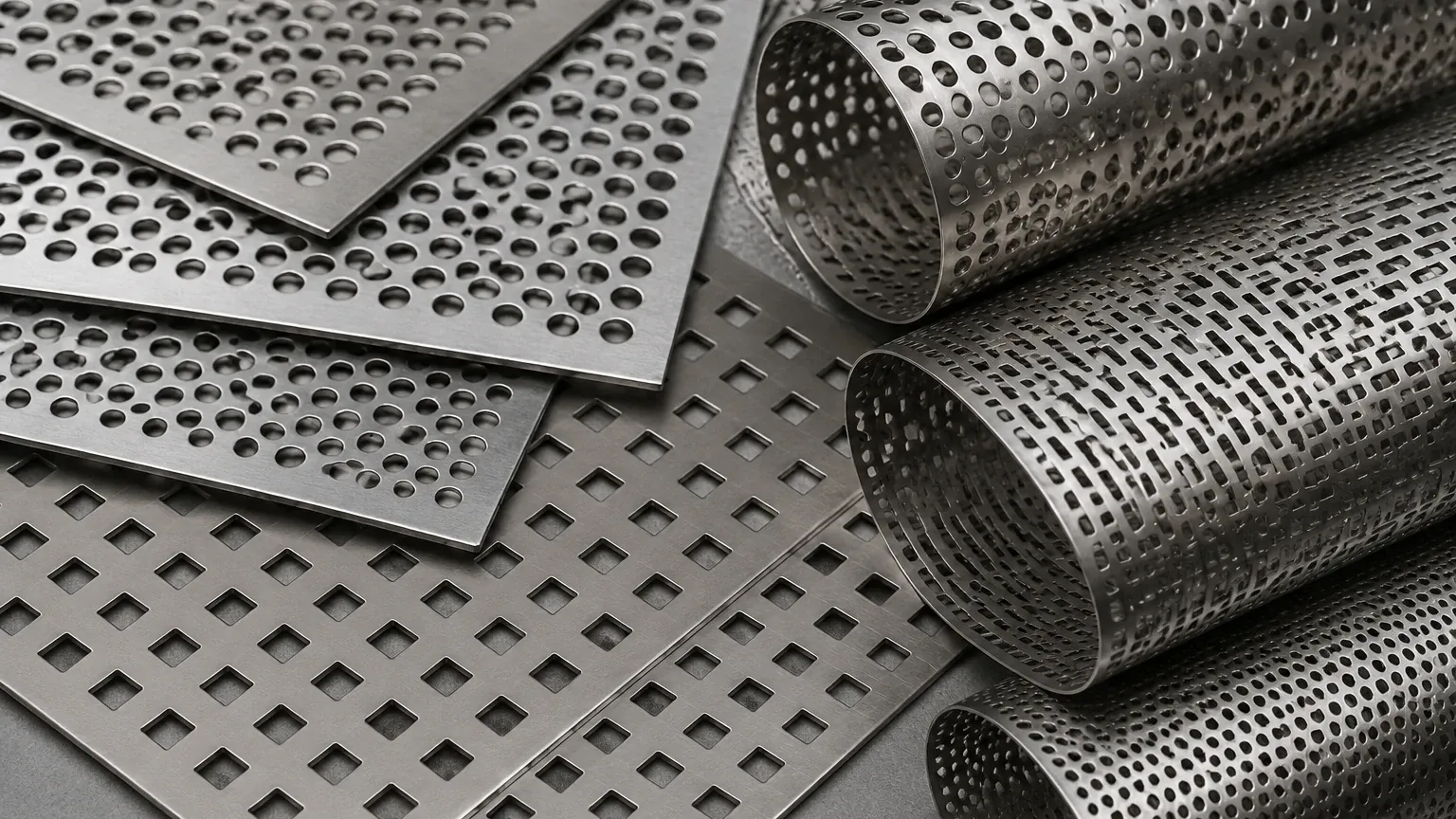
When evaluating the cost of Perforated & Expanded Metal, it is important to distinguish between the two manufacturing processes, as they impact the final price differently. Perforated metal is created by punching holes into a solid sheet, which results in "slugs" or waste material. The cost often reflects the weight of the original sheet plus the machining time.
In contrast, expanded metal is produced by slitting and stretching the material simultaneously. This process creates no waste, making it a highly cost-effective alternative for applications where high open area and structural rigidity are required without the need for precise hole shapes. For Kenyan industrial projects, choosing between these two depends on whether the application requires the precision of a punched hole (essential for fine filtration) or the cost-efficiency of an expanded mesh (ideal for walkways or security fencing).
Material Selection and Its Impact on Price
The primary driver of the perforated metal sheet price in Kenya is the raw material. In industrial environments, the choice of material dictates the lifespan of the component and its resistance to environmental stressors.
Stainless Steel (Grade 304 and 316)
For the food processing and pharmaceutical industries in Kenya, stainless steel is the standard. Grade 304 offers excellent corrosion resistance for most indoor applications. However, for projects located in coastal regions like Mombasa, or for chemical processing plants, Grade 316 is recommended due to its higher molybdenum content, which protects against chloride-induced pitting. While Grade 316 carries a higher initial price point, its durability in harsh environments prevents frequent replacement costs.
Carbon Steel and Galvanized Steel
For structural or architectural applications where corrosion is less of an immediate threat, or where the metal will be coated, carbon steel is a more budget-friendly option. Galvanized steel provides a middle ground, offering a zinc coating that protects against rust at a lower price than stainless steel. Engineers must weigh the lower upfront cost of carbon steel against the potential for oxidation in Kenya’s humid or high-altitude environments.
Technical Specifications: Gauge, Hole Pattern, and Pitch
The complexity of the perforation pattern significantly influences the manufacturing time and, consequently, the price.
1. Sheet Thickness (Gauge): Thicker materials require more powerful machinery and slower punching speeds. In industrial filtration, using a thinner gauge might reduce the initial price but can lead to structural failure under high pressure.
2. Hole Size and Shape: Round holes are the most economical because the tooling is standard and durable. Square, hexagonal, or slotted holes require specialized punches and may increase the price due to higher tool wear and slower production cycles.
3. The Pitch (Center-to-Center Distance): The distance between the holes determines the "Open Area" percentage. A high open area (more holes) means more hits per sheet, increasing the machining time. Engineers must calculate the required flow rate or light transmission to ensure they are not over-specifying the open area, which unnecessarily inflates the cost.
Logistics and Import Considerations for the Kenyan Market
For many high-end industrial applications in Kenya, local stockists may not carry the specific material grades or precision tolerances required. Sourcing directly from an OEM manufacturer like Kaifil allows for customization that fits exact engineering blueprints.
When calculating the perforated metal sheet price in Kenya for imported goods, several factors beyond the factory gate price must be considered:
* Freight and Shipping: Shipping to the Port of Mombasa involves sea freight costs, which are influenced by the weight and volume of the crates. Perforated sheets are heavy, so optimizing the pallet dimensions can lead to significant savings.
* Import Duties and Taxes: Kenya’s customs regulations apply specific tariffs to imported steel products. It is essential to work with a supplier who provides accurate HS Codes to ensure smooth customs clearance and avoid unexpected surcharges.
* Quality Assurance: The risk of purchasing low-quality metal from unverified sources can lead to "tea-staining" (surface rust) or brittle sheets that crack during fabrication. Choosing a manufacturer with rigorous quality control standards ensures that the material delivered meets international ASTM or ISO standards.
Beyond the Initial Purchase: Total Cost of Ownership
In a B2B context, the "cheapest" sheet is often the most expensive over the lifecycle of the equipment. A perforated metal sheet used in a Kenyan grain mill, for example, must withstand constant abrasion. If the material is too soft or the hole edges have burrs, the sheet will wear down quickly, leading to downtime and lost production.
Kaifil focuses on providing filtration solutions that emphasize durability. By ensuring precise hole diameters and smooth finishes, the risk of clogging or material bypass is minimized. When evaluating quotes, Kenyan engineers should look for:
* Flatness Tolerances: Sheets that are not properly leveled after perforation can be difficult to weld or install, increasing labor costs.
* Burr Removal: Sharp edges can trap debris or damage the product being filtered. Professional deburring is a value-added service that justifies a slightly higher unit price.
* Custom Margins: Standard sheets often have unperforated borders (margins). Customizing these margins to fit a specific frame can eliminate the need for secondary cutting and welding on-site in Kenya.
Applications in the Kenyan Industrial Sector
The versatility of perforated and expanded metal makes it a staple in various local industries:
* Agriculture: Used in sieves for coffee beans, tea leaves, and maize. The precision of the hole size is critical for grading the quality of the harvest.
* Architecture: In Nairobi’s growing commercial sector, perforated panels are used for sunshades and building envelopes, providing aesthetic appeal while reducing cooling costs through natural ventilation.
* Water Treatment: Stainless steel perforated tubes and sheets act as the primary filtration stage in both municipal and industrial water systems, protecting sensitive membranes from large debris.
Selection Guide for Purchasing Teams
To obtain an accurate quote and ensure the best perforated metal sheet price in Kenya, procurement teams should provide the following information to their supplier:
1. Material Type: (e.g., SS304, SS316, Galvanized).
2. Dimensions: Length, width, and thickness (preferably in millimeters).
3. Hole Specifications: Shape, size, and the pitch (center-to-center).
4. Margins: Required blank areas on the edges of the sheet.
5. Quantity: Bulk orders significantly reduce the per-unit cost due to machine setup efficiencies.
By focusing on technical accuracy and material integrity, Kenyan businesses can secure filtration and structural components that offer the best performance-to-cost ratio. While the perforated metal sheet price in Kenya is influenced by global steel markets and local logistics, the most significant savings come from selecting the right specification for the job, preventing premature failure and operational inefficiencies.
