


Perforated Z Channel
In the realm of industrial structural components and filtration support systems, the perforated z channel stands as a critical element that combines structural rigidity with functional permeability. Unlike standard structural shapes, the Z-profile offers unique mounting advantages, particularly in applications where offset surfaces must be connected or where specific airflow and drainage requirements exist. For engineers and procurement specialists, understanding the technical nuances of these components is essential for ensuring system longevity and operational efficiency.
As a specialized component within the broader category of Perforated & Expanded Metal, the perforated Z channel is frequently utilized in demanding environments ranging from chemical processing plants to high-capacity industrial filtration units. This guide explores the engineering considerations, material selections, and application-specific parameters that define the performance of these versatile metal profiles.
Understanding the Geometry and Function of Perforated Z Channels
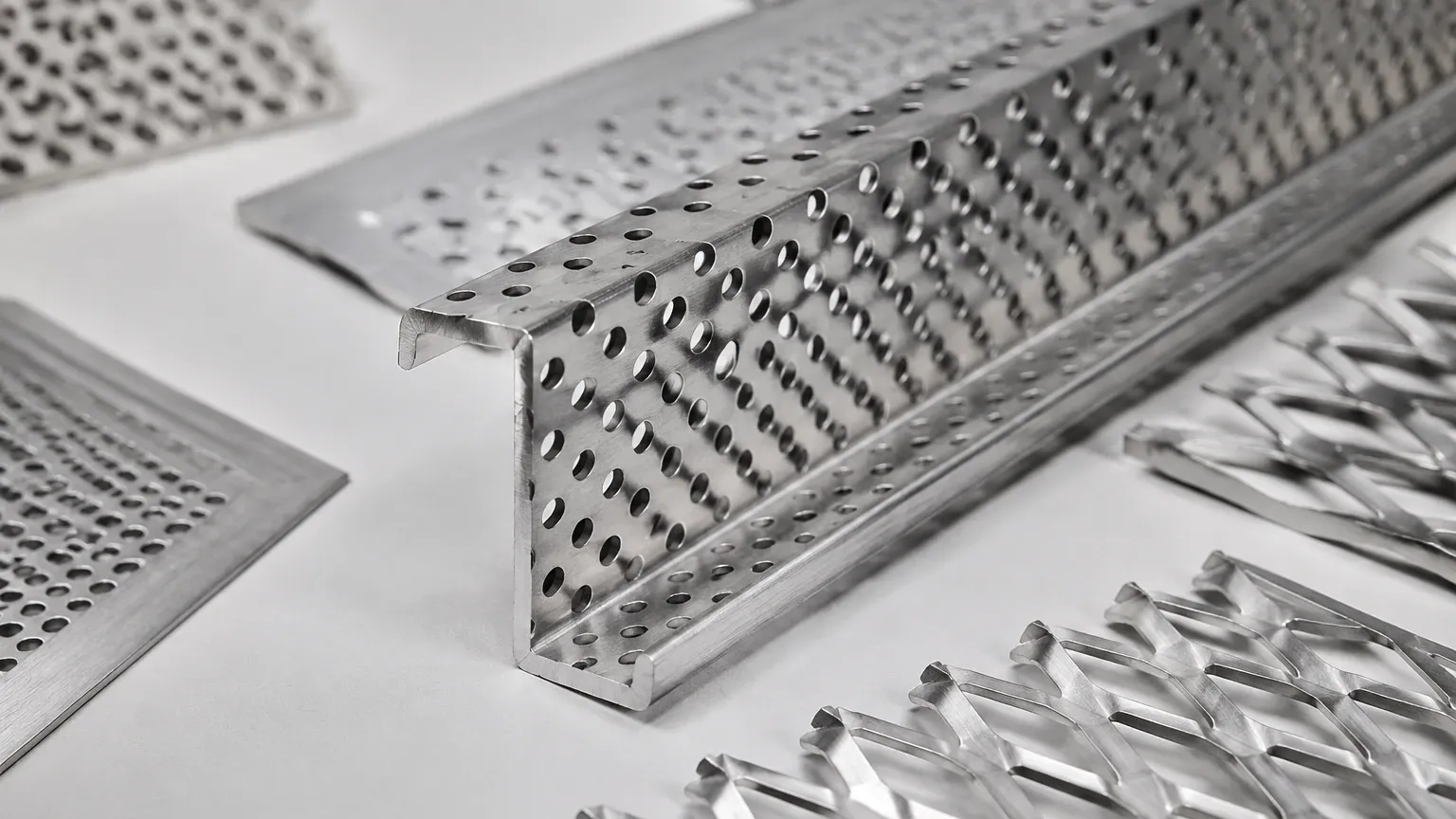
The "Z" channel is defined by its cross-sectional shape, consisting of a central web and two flanges that extend in opposite directions. This geometry differentiates it from C-channels or U-channels, where flanges extend in the same direction. The offset nature of the Z-profile allows for nesting and overlapping, which is particularly useful in architectural cladding, roofing support, and the internal bracing of large-scale filtration housings.
When this profile is perforated, it transitions from a purely structural member to a multi-functional component. The perforations allow for the passage of air, light, sound, or fluids while maintaining a high strength-to-weight ratio. In industrial filtration, a perforated z channel often serves as a structural rib or a divider that supports fine wire mesh or filter media. The Z-shape provides a convenient mounting surface on one flange to attach to the outer vessel, while the opposite flange supports the internal filter elements, creating a defined plenum space for fluid distribution.
Material Selection for Industrial Environments
The performance of a perforated Z channel is heavily dependent on the material from which it is fabricated. Given that these components are often exposed to corrosive chemicals, high temperatures, or high-pressure flows, selecting the correct alloy is the first step in the engineering process.
Stainless Steel (304 and 316)
Stainless steel is the industry standard for most filtration and chemical processing applications. Type 304 provides excellent corrosion resistance for general industrial use. However, for environments involving chlorides or high-salinity conditions, Type 316 stainless steel is preferred due to its molybdenum content, which enhances resistance to pitting and crevice corrosion. In the context of Kaifil’s manufacturing expertise, stainless steel is often the primary choice for ensuring the durability of precision metal filter components.
Carbon Steel and Galvanized Options
For structural applications where corrosion is less of a concern or where the environment is controlled, carbon steel offers a cost-effective alternative. To improve lifespan, these channels can be hot-dip galvanized or powder-coated. However, in high-purity applications like food and beverage or pharmaceutical processing, stainless steel remains the non-negotiable standard to prevent contamination.
Aluminum and Specialized Alloys
Aluminum Z channels are selected for weight-sensitive applications, such as aerospace or transport filtration systems. For extreme environments, such as those found in petrochemical refining, specialized alloys like Monel or Inconel may be specified to withstand extreme heat and aggressive chemical attacks.
Technical Specifications: Perforation Patterns and Open Area
The "perforated" aspect of the Z channel is governed by several critical variables that engineers must confirm before production. These variables dictate the flow characteristics and the structural integrity of the channel.
1. Hole Shape: Round holes are the most common due to their structural stability and ease of manufacturing. Square holes offer a higher open area percentage, which is beneficial for maximum airflow, while slotted holes are often used for specific drainage or sorting functions.
2. Hole Pattern: Staggered patterns (usually at 60 degrees) provide the highest strength and are the standard for most industrial applications. Straight patterns are easier to align with other components but may result in lower overall structural rigidity.
3. Open Area Percentage: This is the ratio of the area of the holes to the total area of the sheet. For a perforated z channel used in filtration, the open area must be calculated to ensure it does not create excessive pressure drop while still providing enough metal surface to support the filter media under load.
4. Pitch and Diameter: The distance between the centers of the holes (pitch) and the size of the holes (diameter) must be precisely controlled. In filtration, if the holes are too large, the supported mesh may sag or fail under hydraulic pressure.
Structural Integrity and Load-Bearing Considerations
One of the primary reasons for choosing a Z-profile over a flat perforated sheet is the inherent stiffness provided by the bends. The flanges act as reinforcement ribs, significantly increasing the moment of inertia and the resistance to bending forces.
When designing a system that incorporates a perforated z channel, engineers must consider the following mechanical factors:
* Gauge Thickness: The thickness of the metal (typically ranging from 11 gauge to 22 gauge for most industrial applications) determines the load capacity. Thicker gauges provide more strength but increase the weight and cost of the component.
* Bend Radius: The radius of the bends in the Z-shape must be carefully managed to avoid stress cracking, especially in harder alloys or thicker materials. Precision CNC folding ensures that the angles remain consistent across the entire length of the channel.
* Span and Support: The distance between the points where the Z channel is anchored will dictate the maximum allowable load. In filtration vessels, these channels are often welded or bolted at regular intervals to prevent vibration and mechanical fatigue caused by turbulent flow.
Applications in Industrial Filtration and Beyond
The versatility of the perforated z channel allows it to solve complex engineering challenges across multiple sectors.
Filtration Media Support
In large industrial strainers and basket filters, Z channels are used to create a rigid framework. The perforated nature of the channel ensures that there are no "dead zones" where fluid can stagnate, which is vital for maintaining hygiene in food processing and preventing bacterial growth in water treatment systems.
HVAC and Air Handling
Perforated Z channels are frequently used as frames for high-efficiency air filters. They provide the necessary depth for pleated media while allowing air to bypass the structural frame through the perforations, reducing the overall static pressure of the system.
Architectural and Acoustic Barriers
Outside of heavy industry, these components are used in acoustic ceiling systems and wall panels. The Z-shape allows the panels to be easily hooked onto a mounting rail, while the perforations serve to dampen sound waves or provide aesthetic transparency.
Customization and Engineering Precision
Standard off-the-shelf profiles rarely meet the exacting requirements of specialized industrial equipment. Customization is often necessary to ensure the perforated z channel integrates perfectly with the existing system architecture.
Key customization options include:
* Variable Flange Widths: The two flanges of the Z channel do not necessarily have to be the same width. An asymmetrical Z-profile can be engineered to accommodate specific mounting constraints.
* End Patterns and Margins: Engineers can specify "blank" or unperforated margins along the edges or ends of the channel. This is crucial for welding, as perforations near the weld zone can weaken the joint or lead to burn-through during the assembly process.
* Secondary Operations: Beyond punching and bending, Z channels may require deburring to remove sharp edges that could damage delicate filter media. Other operations include degreasing for oxygen-clean environments or electropolishing to enhance corrosion resistance in pharmaceutical applications.
Evaluating Suppliers and Total Cost Considerations
When sourcing perforated Z channels, the lowest initial price does not always equate to the lowest total cost of ownership. Poorly manufactured channels with inconsistent hole patterns or inaccurate bend angles can lead to assembly delays and premature failure in the field.
Engineers should confirm the following with their manufacturing partner:
* Tolerance Standards: What are the allowable deviations in flange length, web height, and hole alignment? For precision filtration, tight tolerances are mandatory.
* Quality Documentation: Can the supplier provide material mill test reports (MTRs) to verify the alloy composition? This is especially important for 316L stainless steel applications.
* Production Capability: Does the manufacturer have the capability to handle the specific gauge and length required? Long-length Z channels (over 10 feet) require specialized press brakes to maintain straightness.
By focusing on these technical details, procurement teams can ensure they receive components that meet the rigorous demands of industrial service. Whether used as a simple structural spacer or a complex support element in a high-pressure filtration system, the perforated z channel remains an indispensable tool in the engineer's kit, providing the perfect balance of strength, flow, and versatility.
For those seeking high-performance solutions, exploring the full range of Perforated & Expanded Metal options is the best way to identify the ideal configuration for any specific industrial challenge.
