


Walkway Expanded Metal
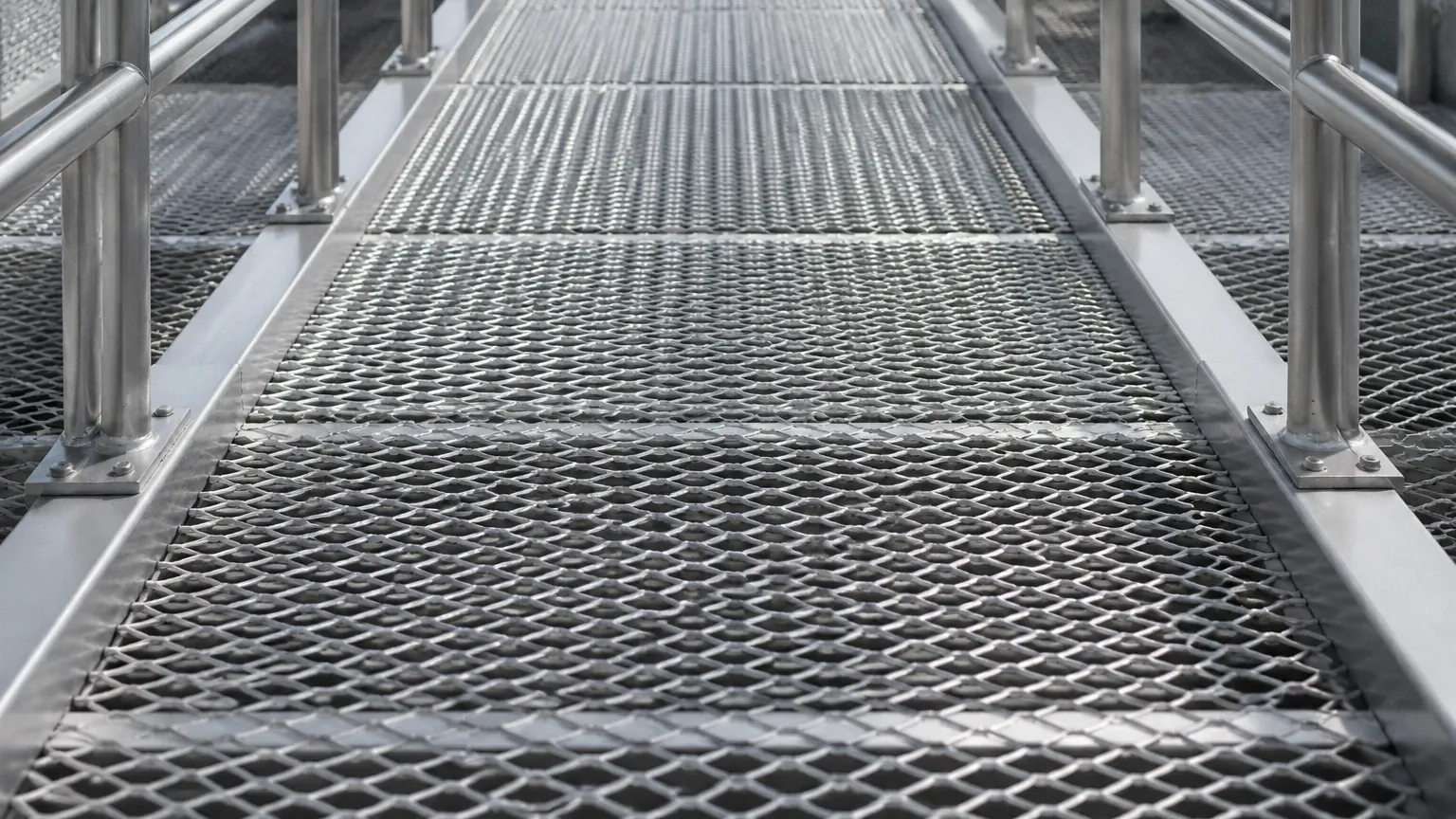
In industrial environments, the integrity of flooring and access platforms is a critical safety and operational concern. Walkway expanded metal represents a specialized category of heavy-duty expanded metal designed specifically to support the weight of personnel and equipment while providing essential slip resistance. Unlike standard expanded metal used for fencing or decorative panels, walkway-grade material is characterized by thicker gauges and specific strand geometries that ensure structural stability over long spans.
For engineers and facility managers, selecting the correct walkway expanded metal involves more than choosing a material; it requires an understanding of load-bearing capacities, material science, and the environmental conditions of the installation site. This guide examines the technical specifications, engineering considerations, and selection criteria necessary for implementing effective walkway solutions in industrial settings.
The Fundamentals of Walkway Expanded Metal Production
Walkway expanded metal is manufactured through a process of simultaneously slitting and stretching a solid metal sheet. This process creates a diamond-shaped pattern of openings surrounded by interconnected strands of metal. A defining characteristic of this production method is that it produces no waste, as the original sheet is expanded rather than punched. This makes it a cost-effective alternative to perforated metal in many high-volume applications.
Raised vs. Flattened Profiles
In the context of walkways, the "raised" or "standard" profile is almost exclusively preferred. When the metal is expanded, the strands are set at a sharp angle to the original plane of the sheet. This creates a natural, serrated edge that provides superior traction for footwear, even in the presence of lubricants, moisture, or industrial debris. Flattened expanded metal, which is passed through a cold-rolling mill to level the strands, is generally avoided for walkways because it lacks this inherent slip resistance.
Technical Terminology
To specify walkway expanded metal accurately, engineers must use standardized industry terms:
- SWD (Short Way of Design): The distance from the center of one bond to the center of the next bond measured across the short diamond diagonal.
- LWD (Long Way of Design): The distance from the center of one bond to the center of the next bond measured across the long diamond diagonal.
- Strand Thickness: The thickness of the base metal used.
- Strand Width: The amount of metal fed into the machine to create the strand.
Engineering Considerations for Load and Span
The primary function of walkway expanded metal is to provide a stable surface for pedestrian traffic. Determining the appropriate specification requires a detailed analysis of the expected load and the distance between structural supports (the span).
Load-Bearing Capacity
Industrial walkways are typically designed to handle a concentrated load (such as a single person) or a uniform live load (multiple people or equipment). For most industrial catwalks, a common design requirement is a uniform live load of 100 pounds per square foot (psf) or a concentrated load of 300 pounds. The thickness of the metal and the width of the strands directly correlate to the material's ability to resist bending under these loads.
Deflection Limits
Deflection refers to the degree to which the metal panel bends under load. In industrial safety standards, the maximum allowable deflection is often limited to 1/240th of the span, or a maximum of 1/4 inch, to prevent the "trampoline effect," which can cause workers to lose their balance. When spans increase, the gauge of the Perforated & Expanded Metal must increase proportionally to maintain rigidity.
Direction of the Diamond
For maximum strength, walkway expanded metal must be installed with the Long Way of Design (LWD) running perpendicular to the support beams. If the diamonds are oriented incorrectly, the panel’s structural integrity is significantly compromised, leading to excessive deflection and potential failure.
Material Selection for Industrial Environments
The choice of material is dictated by the chemical and physical demands of the application. While carbon steel is common, specialized industries often require more resilient alloys.
Stainless Steel Walkways
In chemical processing, pharmaceutical manufacturing, and food production, stainless steel (typically Grade 304 or 316) is the standard. Stainless steel walkway expanded metal offers exceptional corrosion resistance, allowing it to withstand harsh cleaning agents and corrosive vapors. Grade 316 is particularly suited for marine environments or facilities dealing with high chloride concentrations.
Carbon Steel and Galvanization
For general industrial use where corrosion is a moderate concern, carbon steel is often used. To prevent oxidation, these panels are typically hot-dip galvanized after expansion. This process coats the entire surface, including the edges of the slits, in a protective zinc layer. Unlike pre-galvanized sheets, post-expansion galvanization ensures there are no exposed edges where rust can begin.
Aluminum
Aluminum walkway expanded metal is utilized in applications where weight reduction is critical or in environments where non-sparking materials are required. However, because aluminum has a lower modulus of elasticity than steel, thicker sections are required to achieve the same load-bearing capacity over identical spans.
Comparing Expanded Metal with Other Flooring Options
When designing industrial platforms, engineers often evaluate walkway expanded metal against bar grating and perforated metal. Each has specific advantages depending on the application requirements.
Expanded Metal vs. Bar Grating
Bar grating is typically heavier and can support higher loads, making it suitable for heavy equipment or vehicular traffic. However, walkway expanded metal is often more economical for pedestrian-only areas. It provides a more consistent surface that prevents small tools or debris from falling through, which is a significant safety factor for multi-level facilities.
Expanded Metal vs. Perforated Metal
Perforated metal involves punching holes out of a solid sheet. While it offers high precision in hole size and placement, it often results in more material waste. Walkway expanded metal provides better traction due to its raised strands. However, in filtration-adjacent applications or where specific airflow patterns are required, engineers may choose between Perforated & Expanded Metal based on the required open area percentage and the need for a flat versus a textured surface.
Key Applications in Industrial Sectors
Walkway expanded metal is versatile and finds use across various sectors where safe access is required:
1. Chemical and Petrochemical Plants: Used for catwalks around storage tanks and processing vessels where drainage and slip resistance are mandatory.
2. Food and Beverage Processing: Stainless steel versions are used in areas that require frequent wash-downs and must meet strict hygiene standards.
3. Water Treatment Facilities: Used for access platforms over filtration tanks where high humidity and exposure to water are constant.
4. Manufacturing Facilities: Employed for overhead maintenance walkways and mezzanine flooring to maximize floor space while ensuring worker safety.
5. Transportation and Infrastructure: Found on bridge inspection walks, rail car platforms, and emergency exit ramps.
Installation and Safety Compliance
Proper installation is as important as material selection. Walkway panels must be securely fastened to the supporting structure to prevent shifting.
Attachment Methods
- Welding: The most common method for permanent installations. Tack welds are applied at regular intervals (typically every 6 to 12 inches) along the support members.
- Clamping: Specialized grating clips or "J-bolts" can be used for installations where welding is not permitted or where panels need to be removable for maintenance.
- Bolting: Requires pre-drilled holes in the support structure and is often used in modular or temporary walkway systems.
Safety Standards
Engineers must ensure that the chosen walkway expanded metal complies with local and international safety regulations, such as OSHA (Occupational Safety and Health Administration) standards in the United States or ISO standards in Europe. These regulations specify minimum widths for walkways, required toe-board heights, and slip-resistance ratings.
Maintenance and Long-Term Durability
One of the primary benefits of walkway expanded metal is its low maintenance requirement. The open diamond pattern allows for the natural drainage of liquids and prevents the accumulation of snow, ice, or dust. However, regular inspections are necessary to ensure ongoing safety.
Inspection Checklist
- Check for Corrosion: Especially at the bond points and where the metal meets the support structure.
- Verify Fastener Integrity: Ensure that welds have not cracked and that mechanical fasteners remain tight.
- Monitor Surface Wear: In high-traffic areas, the raised edges of the strands may eventually wear down, reducing slip resistance. If the surface becomes smooth, the panel should be replaced.
- Debris Accumulation: While the design is self-cleaning, certain sticky or fibrous materials may clog the openings, necessitating periodic pressure washing or steam cleaning.
Conclusion: Selecting the Right Solution
Specifying walkway expanded metal requires a balanced approach that considers structural requirements, environmental challenges, and safety mandates. By understanding the relationship between strand geometry, material properties, and load spans, engineers can design access systems that are both cost-effective and durable.
Before proceeding with a purchase, technical teams should confirm the specific load requirements of their application and evaluate whether stainless steel or galvanized carbon steel is more appropriate for the expected service life. Consulting with a manufacturer that understands the nuances of Perforated & Expanded Metal ensures that the final product will meet the rigorous demands of industrial operation while maintaining a safe environment for personnel.
