


What Is Expanded Metal Screen
In the realm of industrial filtration and structural support, engineers and procurement specialists often encounter a variety of metal media designed to manage fluid flow and provide mechanical integrity. Among the most versatile of these materials is the expanded metal screen. Understanding what is expanded metal screen and how it differs from other options like perforated plate or woven wire mesh is essential for selecting the right component for demanding industrial environments.
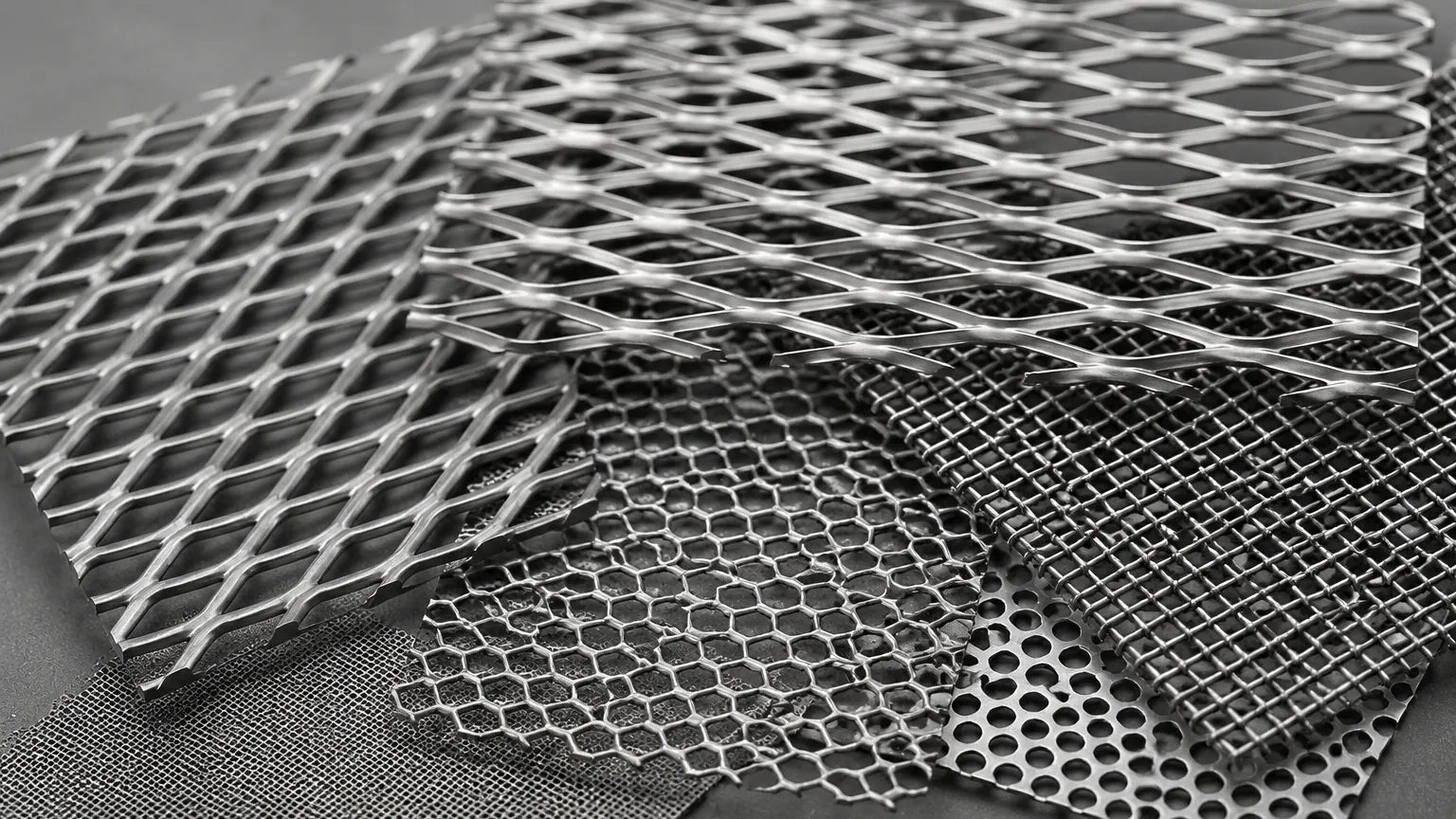
At its core, an expanded metal screen is a functional material produced from a single sheet of metal—typically stainless steel, carbon steel, or aluminum—that has been simultaneously slit and stretched. This process creates a network of diamond-shaped openings, resulting in a continuous piece of metal without any welds or joins. For manufacturers like Kaifil, which specializes in custom stainless steel filtration solutions, expanded metal serves as a critical component in both primary filtration and as a support structure for finer filter media.
Understanding the Manufacturing Process of Expanded Metal Screens
The production of expanded metal is a cold-forming process that distinguishes it from other metal fabrication methods. Unlike perforated metal, which is created by punching holes and removing material, expanded metal is formed by shearing and stretching the base sheet.
1. Slitting and Stretching: A machine equipped with sharp knives slits the metal sheet at precise intervals. As the knives descend, they also stretch the metal, expanding the slits into uniform diamond-shaped apertures.
2. Raised vs. Flattened: The initial product of this process is known as "raised" expanded metal. In this state, the strands (the metal remaining between the openings) are set at an angle to the plane of the sheet. This creates a three-dimensional surface that offers high slip resistance and structural rigidity.
3. The Flattening Stage: For many industrial filtration applications, the raised metal is passed through a cold-rolling mill to create "flattened" expanded metal. This process reduces the thickness and levels the strands into the same plane as the original sheet, resulting in a smooth, flat surface that is easier to clean and integrate into filter cartridges.
Because no material is lost during the expansion process, expanded metal is often a more cost-effective alternative to Perforated & Expanded Metal solutions where high open-area percentages are required without the waste associated with punching.
Comparing Perforated & Expanded Metal for Industrial Use
When evaluating what is expanded metal screen in the context of a project, engineers must weigh its performance against perforated metal. Both materials fall under the broader category of industrial metal screens, but their mechanical properties differ significantly.
Material Efficiency and Cost
Perforated metal involves punching out shapes, which creates scrap material. In contrast, expanded metal uses the entire original sheet. For high-volume industrial orders, this efficiency translates to lower material costs, particularly when working with expensive alloys like 316L stainless steel.
Structural Integrity
Expanded metal is a single, continuous piece of material. Because there are no welds or mechanical fasteners connecting the strands, the screen is inherently strong and resistant to unraveling. If a single strand is cut, the surrounding diamonds maintain their shape and structural support. This makes it an ideal choice for high-pressure hydraulic filters or heavy-duty chemical strainers.
Weight-to-Strength Ratio
The expansion process allows for a significant increase in the surface area of the metal while maintaining a high degree of strength. This results in a screen that is lighter than a solid sheet of the same thickness but possesses higher structural rigidity than many woven wire products.
Key Technical Specifications and Terminology
To accurately specify an expanded metal screen for a filtration project, technical professionals must use standardized terminology. These metrics define the performance characteristics of the screen, including its filtration accuracy and flow capacity.
* SWD (Short Way of Design): This refers to the distance from the center of one bond to the center of the next bond across the short axis of the diamond.
* LWD (Long Way of Design): This is the distance across the long axis of the diamond, measured from center to center of the bonds.
* Strand Width: The amount of metal between the openings.
* Strand Thickness: The gauge or thickness of the original metal sheet.
* Open Area: Expressed as a percentage, this indicates how much of the screen allows for fluid or gas passage. Calculating the open area is vital for determining the pressure drop across the filter.
For filtration applications, the orientation of the diamonds (parallel or perpendicular to the flow) can also impact the turbulence and efficiency of the system. Engineers should consult with a manufacturer like Kaifil to ensure the SWD and LWD dimensions align with the specific particle retention requirements of their application.
Material Science: Why Stainless Steel Dominates Filtration
While expanded metal can be made from various materials, stainless steel is the industry standard for high-performance filtration. Kaifil focuses on stainless steel due to its superior durability in harsh environments.
Corrosion Resistance
In chemical processing and water treatment, screens are often exposed to corrosive fluids. 304 stainless steel provides excellent resistance for general industrial use, while 316L stainless steel—with its added molybdenum content—is preferred for applications involving chlorides or high-salinity environments.
Thermal Stability
Industrial processes often involve extreme temperatures. Stainless steel expanded metal screens maintain their structural integrity and resist oxidation at temperatures where synthetic or lower-grade metal filters would fail.
Hygiene and Cleanability
In the food and beverage and pharmaceutical sectors, the ability to sanitize equipment is paramount. Flattened stainless steel expanded metal provides a smooth surface that resists bacterial growth and can withstand rigorous Clean-in-Place (CIP) protocols.
Engineering Considerations for Filtration Performance
When integrating an expanded metal screen into a filtration system, several engineering factors must be addressed to ensure long-term reliability and performance.
Pressure Drop and Flow Rate
The geometry of the diamond openings in an expanded metal screen creates a unique flow path. While it provides excellent support, the angled strands of a raised screen can induce turbulence. Engineers must calculate the expected pressure drop to ensure the pump or gravity-fed system can maintain the required flow rate. Flattened expanded metal is often chosen to minimize resistance and facilitate a more laminar flow.
Support for Fine Media
One of the most common roles for expanded metal in B2B filtration is as a support cage or inner core for finer filter media, such as sintered wire mesh or pleated fabric. In these configurations, the expanded metal provides the mechanical strength to withstand high differential pressures, preventing the finer media from collapsing or deforming during the filtration cycle.
Fabrication and Welding
Engineers must consider how the screen will be integrated into the final housing. Expanded metal can be rolled into cylinders, formed into cones, or cut into custom shapes. Because it is a single piece of metal, it welds more consistently than woven wire mesh, which can suffer from frayed edges or inconsistent contact points.
Application Scenarios in Demanding Industrial Environments
Expanded metal screens are utilized across a broad spectrum of industries, each with specific performance requirements.
* Chemical Processing: Used as catalyst supports and intake strainers where resistance to aggressive chemicals and high temperatures is mandatory.
* Hydraulic Systems: Serving as the structural core for hydraulic oil filters, ensuring the filter remains functional under high-pressure surges.
* Food & Beverage: Employed in coarse screening and as protective guards for sensitive processing equipment, where stainless steel’s non-reactive properties are essential.
* Water Treatment: Used in large-scale intake screens to remove debris from water sources before it enters finer filtration stages.
Selection and Customization: What Engineers Need to Confirm
Choosing the right expanded metal screen involves more than just selecting a material. To ensure the component meets the specific needs of an industrial application, purchasing teams and engineers should confirm the following details with their supplier:
1. Exact Material Grade: Ensure the alloy (e.g., SS304, SS316L) is compatible with the chemical composition of the process fluid.
2. Dimensional Tolerances: Confirm the SWD, LWD, and strand dimensions to ensure the screen fits perfectly within the filter housing or assembly.
3. Surface Finish: Determine if a raised or flattened surface is required. Additionally, consider if secondary finishes like electropolishing are necessary for sanitary applications.
4. Quantity and Lead Times: For OEM applications, consistent supply chains and manufacturing capacity are critical for maintaining production schedules.
By understanding what is expanded metal screen and its unique technical advantages, industrial professionals can make more informed decisions that optimize filtration efficiency and extend the lifespan of their equipment. Whether used as a standalone coarse filter or a robust support structure, expanded metal remains a cornerstone of modern industrial filtration technology.
For those seeking specialized designs, Kaifil provides comprehensive OEM and customized filtration solutions, ensuring that every Perforated & Expanded Metal component is engineered to the highest standards of durability and precision.
