


Zahner Perforated Metal Panels
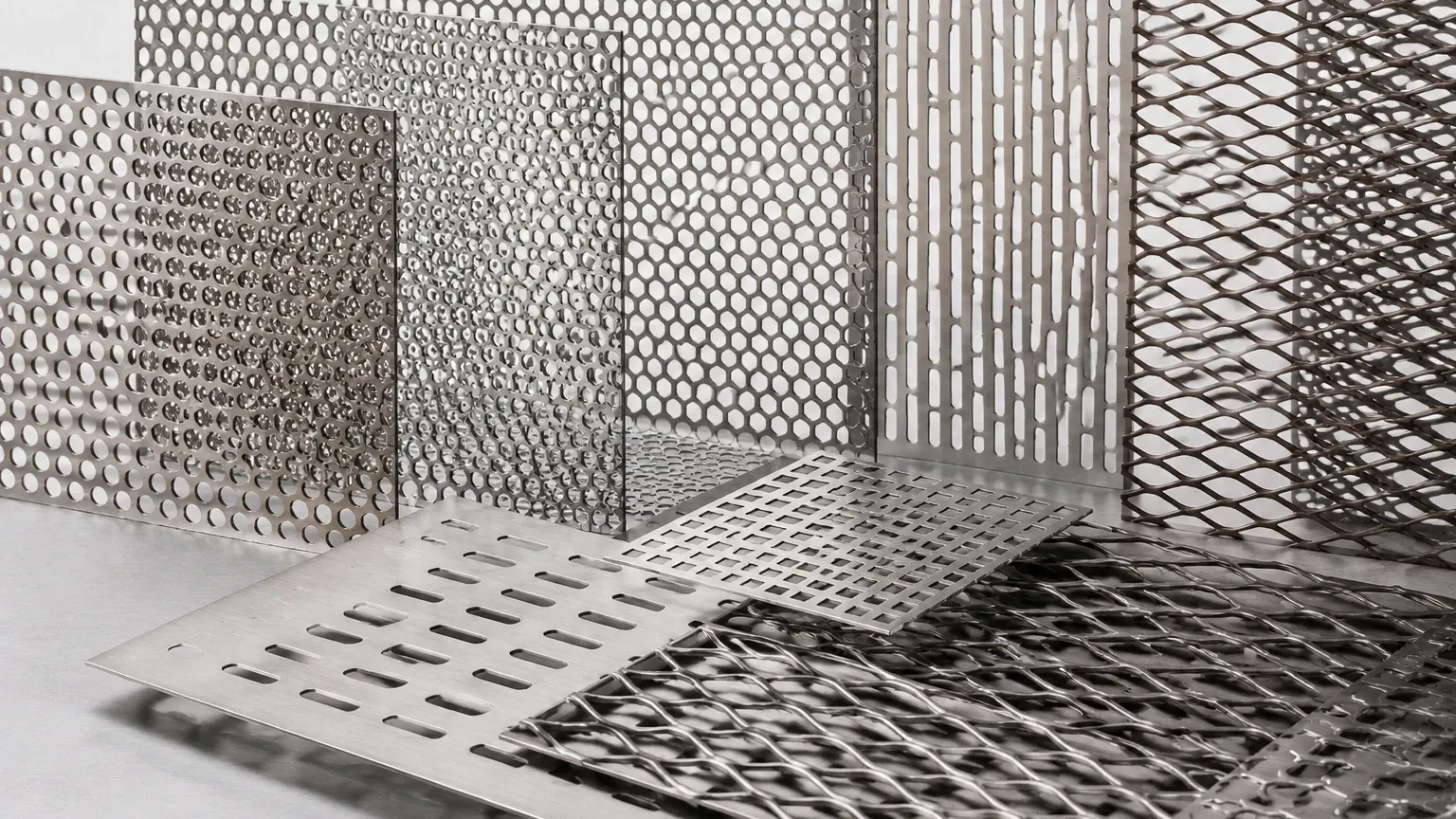
In the realm of modern architecture and industrial engineering, the integration of functional surfaces with aesthetic precision has led to the widespread adoption of advanced metal fabrication techniques. Zahner perforated metal panels represent a pinnacle of this integration, often utilized in high-profile architectural facades and complex industrial systems. These panels are not merely sheets of metal with holes; they are engineered components designed to manage light, airflow, sound, and structural loads while maintaining a specific visual or technical profile.
For engineers and procurement professionals, understanding the technical nuances of Perforated & Expanded Metal is essential for ensuring that a chosen solution meets the rigorous demands of the application environment. Whether the goal is to achieve the signature aesthetic of Zahner-style architectural panels or to implement a high-performance industrial filtration support, the underlying engineering principles remain consistent: material integrity, precision perforation, and application-specific customization.
The Engineering Principles of Perforated Metal Panels
Perforation is the process of creating a pattern of holes, slots, or decorative shapes in metal sheets. While the concept is straightforward, the execution requires advanced CNC (Computer Numerical Control) punching or laser-cutting technology to ensure consistency across large surface areas. In the context of Zahner perforated metal panels, the focus is often on "image-to-perforation" technology, where varying hole sizes and densities are used to create complex visual gradients.
From an industrial perspective, the engineering of these panels involves several critical variables:
1. Hole Pattern: The arrangement of holes—typically staggered (60-degree or 45-degree) or straight. Staggered patterns are generally preferred for industrial applications because they offer higher open area percentages and better structural uniformity.
2. Hole Size and Pitch: The diameter of the hole and the distance between the centers of adjacent holes. These dimensions determine the "open area," which is the primary metric for calculating fluid flow, light transmission, and acoustic transparency.
3. Sheet Thickness: The gauge of the metal must be balanced against the hole size. A common engineering rule of thumb is that the hole diameter should not be smaller than the material thickness to prevent excessive tool wear and ensure clean edges.
Material Selection for Durability and Performance
The performance of perforated metal panels is heavily dependent on the substrate material. In industrial environments where corrosion, high temperatures, or mechanical stress are present, material selection is the most critical decision in the design phase.
Stainless Steel (304 and 316L)
Stainless steel is the industry standard for both architectural and industrial perforated panels. Grade 304 offers excellent formability and corrosion resistance for general applications. However, for marine environments or chemical processing plants, Grade 316L is required due to its molybdenum content, which provides superior resistance to pitting and chloride-induced stress corrosion cracking.
Aluminum Alloys
Aluminum is favored for its high strength-to-weight ratio and natural resistance to atmospheric corrosion. It is frequently used in large-scale architectural facades where reducing the dead load on the building structure is a priority. Aluminum panels can also be anodized or powder-coated to provide additional protection and aesthetic variety.
Specialty Alloys
In high-temperature or highly acidic environments, such as those found in petrochemical refining or power generation, specialty alloys like Monel, Inconel, or Hastelloy may be utilized. These materials ensure that the Perforated & Expanded Metal components maintain their structural integrity under extreme thermal cycling.
Technical Parameters: Calculating Open Area and Flow
For engineers designing filtration systems or ventilation covers, the "Open Area Percentage" is the most vital technical specification. It is calculated as the ratio of the total area of the holes to the total area of the sheet. This percentage dictates the pressure drop across the panel and the velocity of the fluid or air passing through it.
For a standard 60-degree staggered round hole pattern, the formula is:
Open Area % = (D² × 90.69) / P²
* D = Hole Diameter
* P = Pitch (Center-to-center distance)
A higher open area allows for greater flow but reduces the structural rigidity of the panel. When specifying panels for industrial filtration, such as those used as support cores for wire mesh filter cartridges, the open area must be optimized to provide maximum flow while preventing the mesh from collapsing under high differential pressure.
Structural Considerations and Edge Margins
A common mistake in the procurement of perforated metal is neglecting the "margins"—the unperforated areas along the edges of the sheet. Margins are essential for several reasons:
* Structural Integrity: Solid borders significantly increase the stiffness of the panel, preventing warping during the perforation process or subsequent installation.
* Welding and Mounting: Unperforated edges provide a clean surface for welding the panel to a frame or for drilling mounting holes. Without proper margins, the structural load is concentrated on the thin "bridges" between holes, which can lead to premature fatigue failure.
* Flatness: The perforation process introduces internal stresses into the metal. High-quality manufacturers utilize leveling rollers after perforation to ensure the panels meet strict flatness tolerances, especially for large-scale architectural installations.
Industrial Applications of Perforated and Expanded Metal
While Zahner perforated metal panels are often associated with high-end architecture, the technology shares a foundation with critical industrial components. The versatility of Perforated & Expanded Metal allows it to serve multiple roles across various sectors:
1. Industrial Filtration and Separation
Perforated metal serves as the primary support structure for fine wire mesh in liquid and gas filtration. In hydraulic systems and chemical processing, these panels act as coarse filters or strainers, removing large particulates before the fluid reaches more sensitive downstream components. Their durability allows them to withstand backwashing and high-pressure cleaning cycles that would destroy plastic or paper alternatives.
2. Acoustic Dampening
In power plants and manufacturing facilities, perforated metal panels are used as the facing for sound-absorbing materials. The holes allow sound waves to pass through to the insulating material while protecting the insulation from mechanical damage. The specific hole size and pattern can be tuned to target particular sound frequencies.
3. Heat Dissipation and Ventilation
Electronic enclosures and industrial machinery require constant airflow to prevent overheating. Perforated panels provide a secure barrier that prevents human contact with moving parts or high-voltage components while allowing for maximum heat dissipation through natural or forced convection.
Quality Evaluation and Procurement Checklist
When sourcing perforated metal panels for a project, engineers must confirm several factors with the manufacturer to avoid costly delays or performance failures. Unlike standard off-the-shelf products, custom-engineered panels require precise documentation.
* Tolerance Specifications: Confirm the allowable variance in hole diameter, pitch, and sheet dimensions. For precision industrial applications, tolerances are often measured in micrometers.
* Deburring and Surface Finish: The punching process can leave sharp burrs on the underside of the sheet. For filtration applications, these burrs can trap contaminants or damage filter media. Specify whether the panels should be mechanically deburred, pickled, or electropolished.
* Flatness Requirements: Large panels tend to bow due to the stress of perforation. Ensure the manufacturer has the capability to level the sheets to the required specification.
* Material Certification: Request Mill Test Reports (MTRs) to verify the chemical composition and mechanical properties of the alloy, particularly for 316L stainless steel used in corrosive environments.
Maintenance and Total Cost of Ownership
The long-term value of high-quality perforated metal panels lies in their durability and low maintenance requirements. Unlike expanded metal, which has a three-dimensional structure that can trap debris in its crevices, perforated metal is a flat, two-dimensional surface that is easily cleaned via pressure washing, steam cleaning, or chemical baths.
In industrial filtration, the replacement cycle of a perforated support core is typically much longer than that of the primary filter media. By investing in a robust, corrosion-resistant Perforated & Expanded Metal solution, facilities can reduce the total cost of ownership through decreased downtime and extended equipment life.
Conclusion
Whether used to create the striking visual textures of Zahner perforated metal panels or to provide the structural backbone for an industrial chemical filter, the success of a metal panel project depends on rigorous engineering and precise manufacturing. By focusing on material science, accurate open area calculations, and strict quality control, engineers can ensure that their filtration and architectural systems perform reliably in the most demanding environments. Choosing the right manufacturer—one that understands the balance between aesthetic requirements and technical performance—is the final and most important step in the procurement process.
