


125 Micron Paint Strainers
In industrial coating and finishing processes, the precision of filtration directly correlates with the quality of the final surface finish and the operational lifespan of spraying equipment. Among the various specifications used in the field, 125 micron paint strainers represent a critical threshold for fine filtration, particularly in automotive, aerospace, and high-end industrial manufacturing. Achieving a consistent 125-micron rating requires an understanding of fluid dynamics, material science, and the mechanical design of filtration components.
For engineers and procurement professionals, selecting the appropriate filtration hardware—ranging from simple inserts to complex Strainers & Baskets—is essential for maintaining production efficiency. This article examines the technical nuances of 125-micron filtration, the advantages of stainless steel construction, and the engineering considerations necessary for integrating these components into industrial paint lines.
Understanding the 125-Micron Filtration Threshold
A micron (micrometer) is one-millionth of a meter. A 125-micron rating indicates that the filter media is designed to prevent particles larger than 0.125 mm from passing through. In the context of industrial coatings, this level of filtration is typically utilized for basecoats, clearcoats, and high-quality enamels where even microscopic contaminants can lead to "fish-eyes," seeds, or surface irregularities.
From an engineering perspective, the 125-micron specification is often cross-referenced with mesh counts. While the conversion can vary based on wire diameter, a 125-micron opening generally corresponds to approximately 120 mesh. However, simply specifying the mesh count is insufficient for high-precision applications. Engineers must also consider the "open area" percentage, which dictates the flow capacity and the rate of pressure drop across the filter element.
Technical Specifications: Mesh, Micron, and Open Area
When evaluating 125 micron paint strainers, the geometry of the weave is a primary performance factor. Most industrial-grade strainers utilize a plain square weave or a twilled weave made from stainless steel wire.
1. Wire Diameter: Thicker wires provide greater structural integrity and resistance to pressure but reduce the total open area. Conversely, thinner wires increase flow rates but may be more susceptible to deformation under high-viscosity loads.
2. Open Area: This is the ratio of the area of the openings to the total area of the mesh. For a 125-micron filter, maintaining an open area of 30% to 45% is common, balancing flow efficiency with mechanical strength.
3. Filtration Accuracy: Unlike disposable paper or nylon strainers, precision-manufactured stainless steel baskets provide a fixed aperture size. This ensures that the filtration remains consistent throughout the production cycle, regardless of fluid pressure or temperature fluctuations.
The Role of Stainless Steel in Industrial Paint Filtration
While disposable strainers are common in small-scale refinishing, industrial production environments demand the durability and chemical resistance of stainless steel. Kaifil specializes in manufacturing these high-performance components, focusing on materials that can withstand the aggressive solvents found in modern coatings.
Chemical Compatibility
Stainless steel (typically Grade 304 or 316L) is inert to the majority of solvents, resins, and catalysts used in industrial painting. This prevents material degradation and ensures that the filter itself does not introduce contaminants into the paint stream. Grade 316L is particularly recommended for water-borne coatings or environments where phosphoric acid-based cleaners are used, as it offers superior resistance to pitting and corrosion.
Structural Integrity
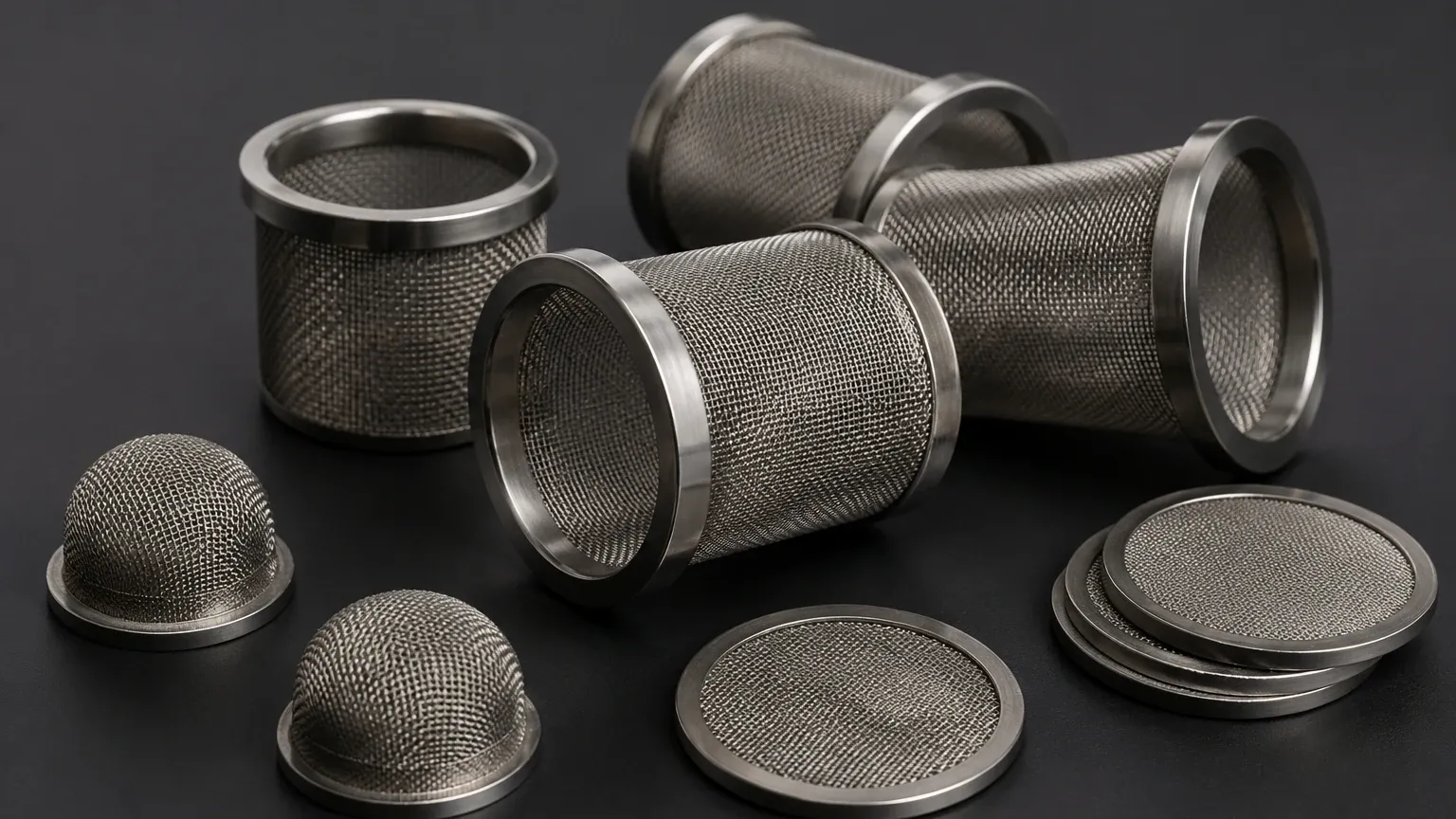
Industrial paint systems often operate under significant pressure, especially in airless spray applications or high-volume circulating systems. 125 micron paint strainers made from stainless steel mesh are often reinforced with perforated metal backings. This "basket" design prevents the fine mesh from bursting or fluttering, which could lead to bypass or mechanical failure.
Design Considerations for Strainers & Baskets
Integrating a 125-micron filter into a larger system requires more than just selecting a mesh size. The housing and the internal support structure must be engineered to minimize turbulence and facilitate ease of maintenance.
Flow Dynamics and Pressure Drop
As paint passes through a 125-micron mesh, it encounters resistance. This resistance, known as pressure drop (ΔP), increases as the filter captures contaminants. Engineers must size the Strainers & Baskets appropriately to ensure that the initial pressure drop does not impede the pump's performance. Increasing the surface area of the basket is the most effective way to manage ΔP and extend the time between cleaning cycles.
Sealing and Bypass Prevention
A common failure point in industrial filtration is the bypass—where unfiltered fluid escapes around the edges of the filter element. Precision-engineered strainers utilize machined flanges or O-ring seals to ensure a 100% positive seal within the housing. In 125-micron applications, even a small gap can allow enough large particles through to ruin a high-gloss finish.
Application Scenarios for 125-Micron Filtration
The choice of a 125-micron rating is usually dictated by the solids content and the viscosity of the coating, as well as the orifice size of the spray nozzle.
* Automotive OEM and Refinish: 125-micron filters are the standard for straining basecoats and clearcoats before they enter the spray gun. This ensures that no dried paint skins or environmental dust reach the substrate.
* Industrial Machinery Coatings: For heavy-duty protective coatings, 125 microns provides a balance between removing harmful debris and allowing the necessary pigments and metallic flakes to pass through without clogging the filter.
* Wood Finishing: High-quality lacquers and varnishes used in furniture manufacturing require fine filtration to maintain a smooth, glass-like appearance. 125-micron baskets are often used in the central supply lines of these finishing booths.
Maintenance, Cleaning, and Total Cost of Ownership (TCO)
One of the primary advantages of stainless steel 125 micron paint strainers over disposable alternatives is the significantly lower total cost of ownership in high-volume environments. While the initial investment in a stainless steel basket is higher, the ability to clean and reuse the component provides long-term savings and reduces industrial waste.
Cleaning Protocols
To maintain the accuracy of a 125-micron filter, cleaning must be thorough. Ultrasonic cleaning is the most effective method for removing dried resins from the fine wire mesh. Alternatively, back-flushing with a compatible solvent can remove wet paint. It is critical that the cleaning process does not involve abrasive scrubbing, which can distort the mesh openings and compromise the 125-micron rating.
Performance Evaluation
Engineers should monitor the pressure differential across the strainer. A sudden drop in pressure may indicate a breach in the mesh, while a rapid increase suggests that the paint batch has a high level of contamination or is beginning to gel. Regular inspection of the mesh under magnification can confirm that the 125-micron apertures remain uniform and free of damage.
Selecting the Right Filtration Partner
Choosing a manufacturer for custom filtration solutions involves evaluating their technical capabilities and quality control measures. For 125-micron applications, the manufacturer must be able to provide documentation on material grades and filtration accuracy.
Kaifil provides a range of custom stainless steel filtration solutions, including specialized Strainers & Baskets tailored to specific industrial requirements. By focusing on precision manufacturing and engineering support, Kaifil helps technical teams optimize their filtration processes, reduce downtime, and achieve superior coating results.
When specifying 125 micron paint strainers, engineers should confirm the following with their supplier:
1. Material Certification: Ensure the stainless steel grade matches the chemical requirements of the coating.
2. Burst Pressure Ratings: Confirm the basket can handle the maximum system pressure.
3. Customization Options: Determine if custom dimensions or reinforced structures are needed for existing housings.
4. Micron Verification: Inquire about the methods used to verify the 125-micron aperture consistency.
Conclusion
The 125-micron paint strainer is a vital component in the pursuit of a defect-free finish. By moving away from disposable media and toward engineered stainless steel strainers and baskets, industrial facilities can improve filtration consistency, enhance equipment protection, and realize better economic outcomes. Whether for automotive clearcoats or industrial lacquers, the technical integrity of the filter element is the foundation of a high-quality coating process.
