


70um Cell Strainers
In industrial and laboratory filtration, the 70um cell strainer represents a critical threshold for precision separation. While frequently associated with laboratory-scale cell culture and tissue dissociation, the engineering principles behind 70-micron filtration extend into large-scale industrial processes. For engineers and procurement teams, selecting the right filtration media requires a deep understanding of material science, flow dynamics, and the structural integrity of the housing.
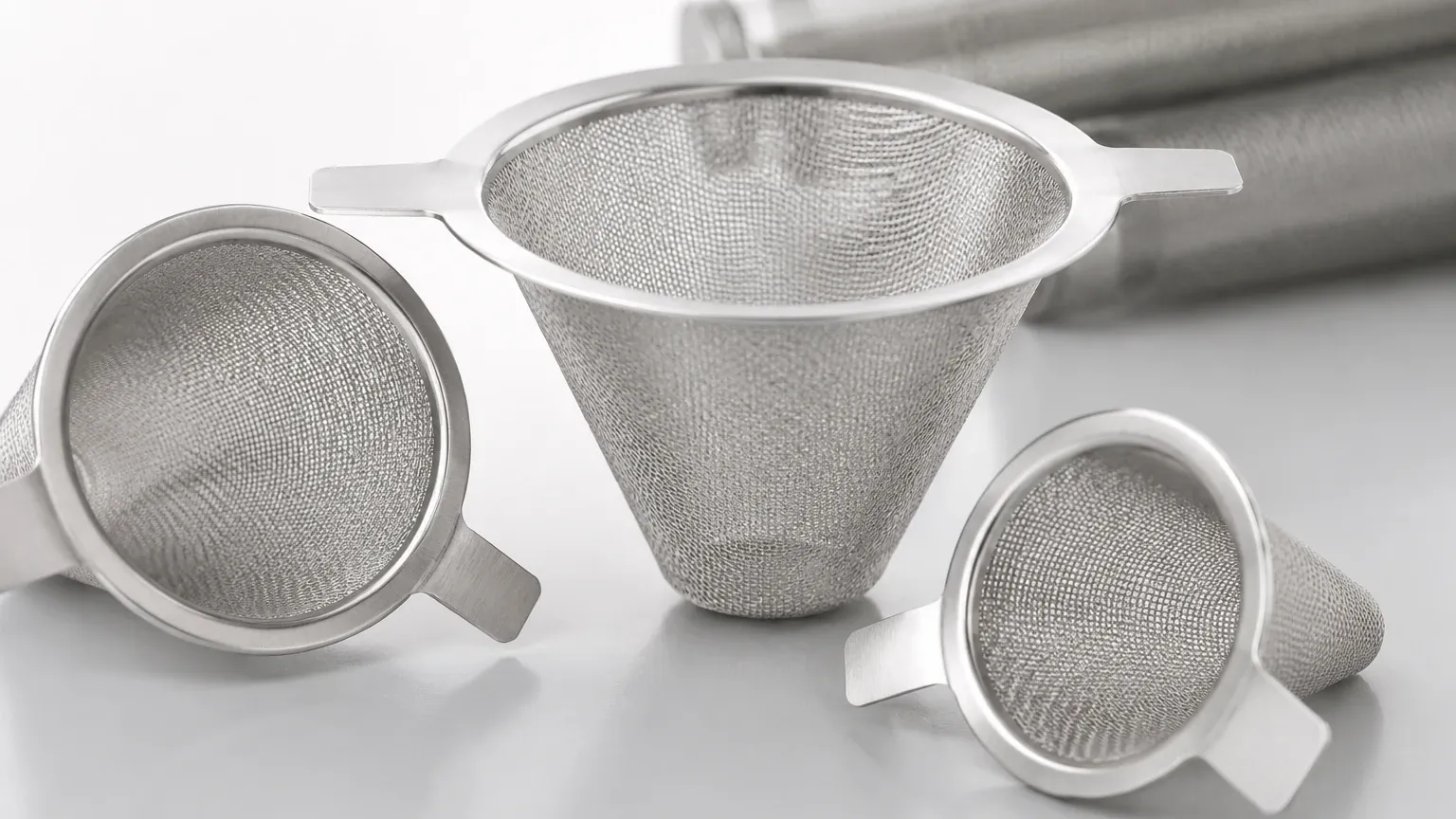
Whether used for preparing single-cell suspensions or protecting downstream equipment from fine particulates, the performance of a 70um strainer is defined by its aperture consistency and its ability to withstand the mechanical stresses of the application environment. In many industrial contexts, these requirements lead professionals to move beyond disposable plastic components toward more robust, reusable Strainers & Baskets constructed from high-grade stainless steel.
Understanding the 70um Filtration Threshold
A 70um cell strainer is designed to allow particles smaller than 70 micrometers (0.07 mm) to pass through while retaining larger aggregates, debris, or specific cell clusters. This specific micron rating is widely utilized because it aligns with the size of various mammalian cells and common industrial particulates that must be excluded to prevent clogging in sensitive instrumentation like flow cytometers or high-pressure nozzles.
In technical terms, 70 microns falls within the fine filtration spectrum. Achieving this level of precision requires a highly controlled manufacturing process. In wire mesh production, this typically involves a specific mesh count—the number of wires per linear inch—combined with a precise wire diameter to ensure the resulting "open area" or aperture is exactly 70 micrometers.
For industrial applications, the "nominal" vs. "absolute" rating becomes a vital distinction. A nominal 70um rating implies that the filter will retain a majority of particles at that size, whereas an absolute rating guarantees that no particle larger than 70um will pass through. Engineers must confirm which standard a manufacturer adheres to, as this significantly impacts the purity of the filtrate.
Material Selection: Stainless Steel vs. Synthetic Polymers
The choice between synthetic (nylon/polyester) and metallic (stainless steel) 70um strainers is dictated by the chemical environment, temperature, and required durability.
Synthetic Mesh Strainers
Synthetic strainers are often used in single-use laboratory settings. They are lightweight and generally resistant to common biological buffers. However, they face significant limitations in industrial B2B environments. Synthetic fibers can stretch under pressure, leading to "pore migration" where the 70um openings expand, allowing oversized contaminants to bypass the filter. Furthermore, they are susceptible to degradation when exposed to harsh solvents or high-temperature sterilization cycles.
Stainless Steel Strainers & Baskets
For continuous industrial processes or applications requiring rigorous cleaning, stainless steel (typically Grade 304 or 316L) is the preferred material. Stainless steel 70um mesh offers several engineering advantages:
* Structural Stability: The rigid nature of metallic wire ensures that the 70um aperture remains constant even under significant differential pressure.
* Thermal Resistance: Stainless steel can operate at temperatures far exceeding the melting points of nylon or plastic, making it suitable for hot-fill food processing or steam-in-place (SIP) sterilization.
* Chemical Compatibility: 316L stainless steel provides superior resistance to corrosion from acids, alkalis, and chlorides, which is essential in chemical processing and pharmaceutical manufacturing.
* Sustainability and Cost-Efficiency: While the initial investment in a stainless steel basket is higher, its reusability and long service life result in a lower total cost of ownership compared to the recurring expense of disposable units.
Engineering Considerations for Flow Rate and Open Area
When integrating 70um cell strainers into a system, engineers must calculate the impact on flow rate. The flow capacity of a strainer is largely determined by its "percentage of open area." This is the ratio of the total area of the holes to the total area of the mesh.
For a 70um mesh, the wire diameter plays a crucial role. Thinner wires increase the open area, allowing for higher flow rates and lower pressure drops, but they also reduce the mechanical strength of the mesh. Conversely, thicker wires make the strainer more durable but restrict flow.
In industrial Strainers & Baskets, this balance is managed by using reinforced backing or multi-layer sintered mesh. A 70um fine mesh layer can be bonded to a coarser, stronger support mesh. This configuration provides the precision of a 70-micron filter with the structural integrity required to handle high-viscosity fluids or high-pressure surges without the mesh collapsing or tearing.
Common Applications in Industrial Filtration
While the term "cell strainer" suggests a purely biological context, the 70um specification is a workhorse across various sectors:
Pharmaceutical and Biotech
In the production of vaccines and therapeutic proteins, 70um strainers are used to remove cell clumps and micro-carriers from bioreactor harvests. This step is essential before the fluid moves to finer downstream purification stages like chromatography or sterile filtration.
Food and Beverage Processing
In the production of juices, oils, and liquid flavorings, 70um baskets serve as a final polishing stage. They effectively remove fine pulp, seeds, or sediment that could affect the clarity or texture of the final product. Because these systems often require frequent cleaning, the durability of stainless steel is paramount.
Chemical and Specialty Fluids
Precision 70um filtration is used to protect high-end spray nozzles and sensitive valves in chemical dosing systems. By removing fine suspended solids, the strainer prevents abrasive wear and mechanical blockages, thereby extending the maintenance intervals of the entire system.
Customization and OEM Integration
Standard off-the-shelf 70um strainers may not meet the specific geometric or mechanical requirements of a complex industrial system. This is where custom OEM solutions become necessary. Manufacturers like Kaifil specialize in tailoring the design of Strainers & Baskets to fit existing piping or specialized equipment.
Customization options include:
* Flange and Connection Types: Designing the strainer housing with specific NPT, BSP, or tri-clamp fittings for seamless integration.
* Handle and Lifting Lug Designs: For large-scale baskets, ergonomic handles or heavy-duty lifting lugs are essential for safe removal and cleaning.
* Vessel Geometry: Slanted bottoms, offset outlets, or multi-basket configurations can be engineered to optimize flow and minimize "dead zones" where particulates might accumulate.
* Surface Finishes: For pharmaceutical or food-grade applications, the stainless steel can be electropolished to achieve a specific Ra (roughness average) value, reducing the risk of bacterial adhesion.
Maintenance, Cleaning, and Replacement Cycles
To maintain the efficiency of a 70um strainer, a structured maintenance protocol is required. Unlike disposable strainers that are discarded after a single use, industrial stainless steel baskets are designed for repeated cleaning.
Monitoring Differential Pressure
The most effective way to determine when a strainer needs cleaning is by monitoring the differential pressure (ΔP) across the filter element. As the 70um mesh captures debris, the resistance to flow increases. Engineers typically set a threshold ΔP; once reached, the strainer must be cleaned to prevent flow restriction or potential damage to the mesh.
Cleaning Techniques
* Ultrasonic Cleaning: This is the most effective method for 70um mesh. High-frequency sound waves create cavitation bubbles that dislodge microscopic particles trapped within the weave.
* Backwashing: Directing a high-pressure stream of clean fluid or air in the opposite direction of the normal flow can clear surface-level debris.
* Chemical Soaking: In cases where organic or mineral scaling has occurred, soaking the basket in compatible cleaning agents can restore the open area.
Integrity Testing
Periodically, the integrity of the 70um mesh should be verified. Visual inspections can identify obvious tears or deformations, but more precise methods, such as bubble point testing or microscopic measurement of the apertures, ensure that the strainer still meets its 70-micron specification.
Conclusion: Selecting the Right 70um Solution
Selecting a 70um cell strainer involves more than just picking a micron rating. For industrial B2B applications, the decision must be based on a comprehensive evaluation of the operating environment, the nature of the fluid, and the long-term operational goals. While disposable options serve a purpose in low-volume laboratory work, the reliability, precision, and cost-effectiveness of stainless steel Strainers & Baskets make them the standard for industrial-scale filtration.
Before finalizing a purchase, engineers should confirm the following with their supplier:
1. Material Grade: Is 304 or 316L required for the specific chemical environment?
2. Pressure Rating: Can the mesh and frame withstand the maximum expected system pressure?
3. Flow Requirements: Does the open area of the 70um mesh allow for the necessary throughput without excessive pressure drop?
4. Cleaning Compatibility: Is the design conducive to the facility’s existing cleaning and sterilization protocols?
By focusing on these technical parameters, organizations can ensure they implement a filtration solution that provides consistent performance, protects downstream assets, and optimizes the total cost of the production process.
