


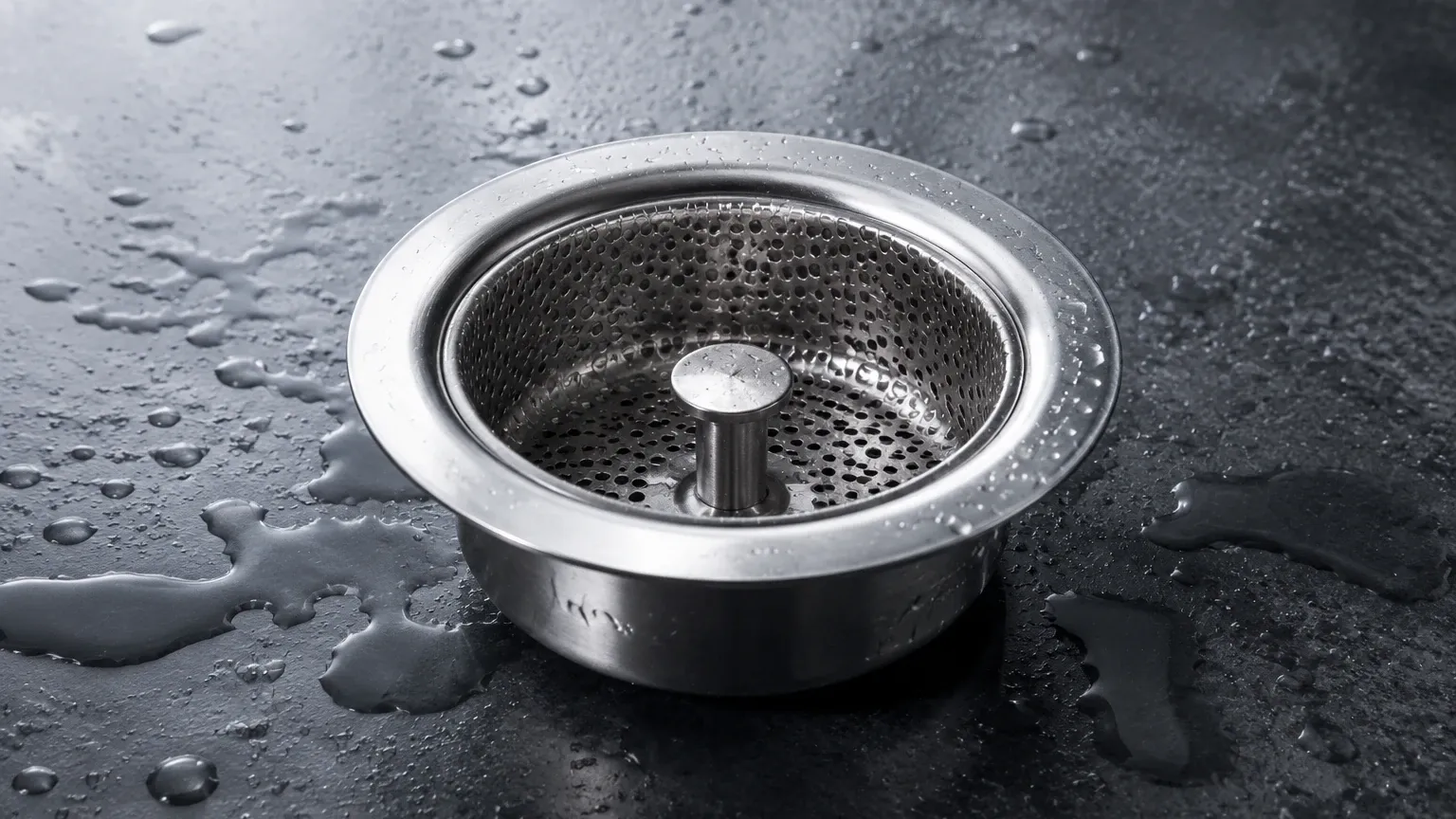
9 Drain Strainer
In industrial fluid management and wastewater treatment, the efficiency of a drainage system is heavily dependent on the quality and specifications of its primary filtration components. A 9 drain strainer, typically referring to a 9-inch diameter basket or a specialized strainer designed for 9-inch drainage housings, serves as a critical barrier against solid contaminants that could otherwise compromise downstream pumps, valves, and piping networks. For engineers and facility managers, selecting the correct Strainers & Baskets involves more than simply matching dimensions; it requires a deep understanding of material science, flow dynamics, and the specific mechanical stresses of the application environment.
Industrial drainage systems in chemical processing, food production, and pharmaceutical manufacturing often handle aggressive fluids, high-temperature effluents, or high-velocity flows. In these contexts, a standard off-the-shelf solution may fail prematurely due to corrosion or structural collapse. This guide examines the technical considerations essential for specifying a 9 drain strainer that meets the rigorous demands of industrial operations.
Engineering Fundamentals of Industrial Drain Strainers
The primary function of a 9 drain strainer is the mechanical separation of solids from a liquid stream. Unlike fine-micron process filters, drain strainers are designed to handle larger debris loads while maintaining high flow rates. The "9-inch" designation usually refers to the nominal diameter of the strainer basket or the diameter of the drain opening it is intended to service.
When integrated into a gravity-fed or low-pressure drainage system, the strainer must provide a balance between filtration efficiency and hydraulic capacity. If the mesh is too fine, the strainer will clog rapidly, leading to backups and potential flooding. Conversely, if the openings are too large, particulates can pass through and cause mechanical wear on secondary equipment. Engineers must calculate the "open area ratio," which is the ratio of the total area of the holes in the strainer to the cross-sectional area of the inlet pipe. A common industry standard is a 4:1 or 6:1 ratio to ensure that even as the basket collects debris, the flow remains relatively unimpeded.
Material Engineering: Why Stainless Steel is the Standard
For industrial 9 drain strainer applications, stainless steel is the preferred material due to its mechanical strength and chemical resistance. While plastic or carbon steel alternatives exist, they rarely meet the longevity requirements of B2B industrial environments.
Grade 304 Stainless Steel
Grade 304 is the most common material for general-purpose industrial strainers. It provides excellent resistance to atmospheric corrosion and is suitable for most water treatment and food processing applications where mild acids or alkalis are present. It offers high structural integrity, allowing the strainer to withstand the weight of heavy debris loads without deforming.
Grade 316 and 316L Stainless Steel
In environments involving chlorides, high salinity, or aggressive chemicals (such as in pharmaceutical or chemical processing), Grade 316 stainless steel is required. The addition of molybdenum enhances its resistance to pitting and crevice corrosion. For applications involving welding during the customization process, 316L (low carbon) is often specified to prevent sensitization and intergranular corrosion at the weld sites.
Technical Specifications: Sizing, Mesh, and Flow Rates
Specifying a 9 drain strainer requires precise data regarding the fluid's physical properties and the system's operational parameters.
1. Micron and Mesh Rating: The filtration level is determined by the mesh size or the diameter of the perforations. For a 9-inch basket, the outer structure is typically made of perforated metal for strength, which may be lined with a finer wire mesh for precision filtration. Common perforation sizes range from 1/16" to 1/2", while mesh linings can go down to 40 microns depending on the application.
2. Flow Velocity: High-velocity systems can cause "wire drawing" or erosion of the mesh over time. The strainer must be designed to distribute the fluid impact across the basket surface to prevent localized wear.
3. Pressure Drop (Delta P): Every strainer introduces a pressure drop into the system. For a 9 drain strainer, it is vital to monitor the clean pressure drop and establish a maximum allowable pressure drop before cleaning is required. This is especially critical in pumped drainage systems where excessive resistance can lead to pump cavitation.
Structural Design: Perforated Metal vs. Wire Mesh Baskets
The architecture of a 9 drain strainer often involves a multi-layered approach to maximize both durability and filtration accuracy.
Perforated Metal Baskets
These are used for coarse filtration and as a support structure for finer media. The hole pattern (staggered vs. straight) and the bridge width between holes determine the basket's burst pressure. In heavy-duty industrial drains, a thick-gauge perforated plate ensures the 9 drain strainer does not collapse under the weight of collected sludge or heavy industrial waste.
Wire Mesh Linings
When finer particulate removal is necessary, a stainless steel wire mesh is sintered or mechanically fastened to the interior of the perforated basket. This allows for high-precision filtration while the outer perforated shell provides the necessary mechanical support. For a 9-inch diameter, the structural integrity of the mesh-to-shell bond is critical to prevent bypass, where fluid escapes through gaps rather than passing through the media.
Application-Specific Considerations for 9-Inch Strainers
Different industries impose unique requirements on the design of Strainers & Baskets.
* Food and Beverage: Hygiene is the priority. The 9 drain strainer must feature smooth, radiused corners and be free of crevices where bacteria can proliferate. Electropolishing is often used to achieve a surface finish that is easy to sanitize.
* Chemical Processing: Chemical compatibility is the primary concern. The choice of gaskets and seals (such as Viton or PTFE) used in conjunction with the stainless steel strainer must be verified against the specific chemicals in the waste stream.
* Water Treatment: These strainers often deal with large volumes of organic matter. Designs may include "easy-lift" handles or specialized basket geometries to facilitate rapid manual cleaning during high-load periods.
Maintenance Protocols and Performance Longevity
The total cost of ownership (TCO) for a 9 drain strainer is heavily influenced by its maintenance requirements. A well-engineered strainer should be easy to access, clean, and reinstall.
Cleaning Cycles
In industrial settings, cleaning cycles should be determined by pressure differential monitoring or scheduled inspections. If a 9 drain strainer is left to clog beyond its design limit, the resulting pressure can rupture the mesh or force contaminants through the media.
Inspection for Wear
Regular inspections should check for:
* Mechanical Deformation: Signs that the basket is buckling under pressure.
* Corrosion: Pitting or discoloration, especially in weld areas.
* Bypass: Wear on the seating surfaces that allow fluid to bypass the strainer basket.
Replacement vs. Repair
Stainless steel strainers are often reusable for years if maintained correctly. However, if the wire mesh lining becomes frayed or the perforated shell is warped, replacement is usually more cost-effective than repair to ensure the continued protection of downstream equipment.
Selecting the Right Custom Filtration Partner
Because industrial drainage requirements vary significantly between facilities, a one-size-fits-all 9 drain strainer is rarely the optimal solution. Working with a manufacturer that specializes in custom stainless steel filtration allows for the optimization of the strainer design to fit existing housings while meeting specific filtration targets.
Customization options often include:
* Variable Basket Depths: Adjusting the volume of the 9-inch basket to accommodate higher debris loads without increasing the footprint.
* Reinforced Bottoms: Adding heavy-duty plates to the base of the basket for applications involving heavy metallic or mineral debris.
* Specialized Lifting Mechanisms: Designing handles or brackets that interface with site-specific tools for safer extraction from deep sumps.
When evaluating a provider for a 9 drain strainer, engineers should look for advanced manufacturing capabilities, such as precision welding and the ability to work with various grades of stainless steel. A partner that understands the nuances of industrial filtration can provide insights into material selection and structural design that prevent premature failure and optimize system performance.
In conclusion, the 9 drain strainer is a fundamental component of industrial infrastructure. By focusing on high-quality materials like 304 or 316 stainless steel, precise engineering of the open area ratio, and application-specific design, organizations can ensure reliable drainage performance and protect their long-term investment in industrial equipment. For those seeking specialized or OEM solutions, exploring a wide range of Strainers & Baskets is the first step toward achieving an optimized filtration system.
