


Are Basket Strainers Universal
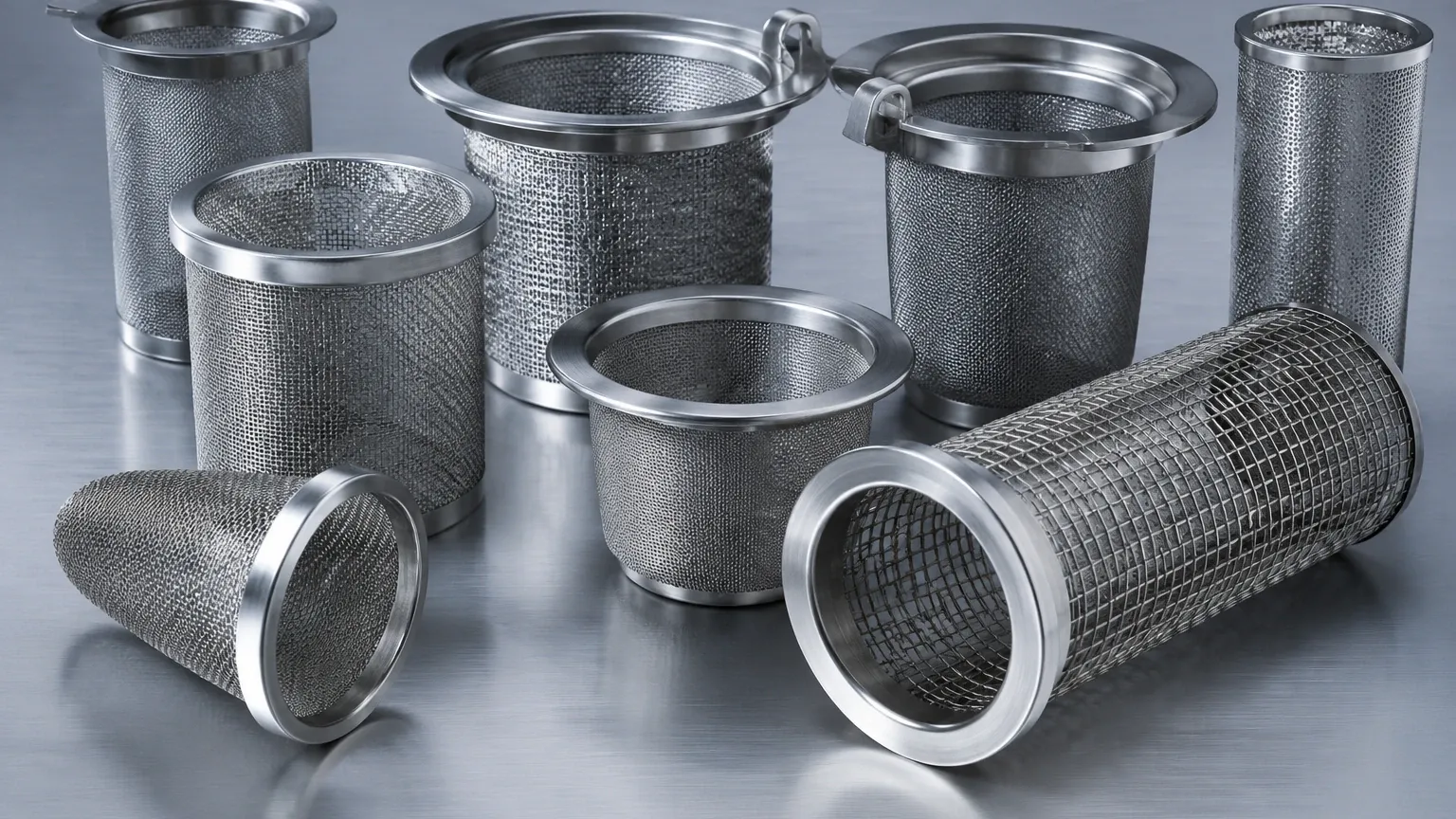
In the world of industrial fluid handling and filtration, procurement specialists and maintenance engineers often face a critical question during system upgrades or emergency repairs: are basket strainers universal? The short answer is no. While the industry has moved toward standardization in pipe sizing and flange connections, the internal components—specifically the baskets themselves—are rarely interchangeable across different brands or even different model series from the same manufacturer.
Understanding why Strainers & Baskets are not universal is essential for maintaining system integrity, preventing fluid bypass, and avoiding costly downtime. This guide explores the technical variables that differentiate basket strainers and provides a framework for selecting the correct replacement or custom-engineered solution.
The Misconception of Universality in Industrial Filtration
The question of whether are basket strainers universal often stems from the standardized nature of piping systems. If a facility uses 4-inch Schedule 40 piping with ANSI Class 150 flanges, it is logical to assume that any 4-inch basket strainer will fit. However, while the external housing might bolt onto the pipeline, the internal geometry is where universality ends.
Industrial strainers are engineered to balance flow rate, pressure drop, and dirt-holding capacity. Manufacturers design their housings with unique internal dimensions, seating surfaces, and locking mechanisms. A basket that is even a few millimeters too short or has a slightly different flange diameter will fail to seat properly, leading to unfiltered fluid bypassing the mesh entirely.
Key Dimensional Variables That Prevent Interchangeability
When evaluating whether a basket will fit a specific housing, several mechanical dimensions must be verified. Even if the nominal pipe size matches, the following factors vary significantly between manufacturers:
1. Basket Height and Diameter
The overall height of the basket and its outer diameter are the most obvious constraints. A basket that is too tall will prevent the strainer cover from sealing, while a basket that is too short may not reach the bottom seat, allowing debris to escape underneath. Similarly, the diameter must allow for a snug fit within the housing guide rails without being so tight that it becomes stuck due to thermal expansion or debris buildup.
2. Flange or Ring Design
The top of the basket usually features a flange or a machined ring that rests on a shoulder within the strainer body. The thickness, width, and profile of this ring are brand-specific. Some designs use a flat gasket, while others rely on an O-ring groove or a metal-to-metal precision fit. If the ring profile does not match the housing seat, the seal is compromised.
3. Handle and Hold-Down Mechanisms
To prevent the basket from lifting during high-velocity flow or pressure surges, many strainers incorporate a hold-down spring or a handle that interacts with the housing cover. Because these mechanisms are proprietary, a "universal" basket often lacks the necessary hardware to remain securely seated under operational stress.
Material Selection and Chemical Compatibility
Beyond physical dimensions, the material of construction is a primary reason why basket strainers cannot be treated as universal commodities. Selecting a basket based solely on size without considering the chemical environment can lead to catastrophic failure.
* Stainless Steel Grades: While Type 304 stainless steel is standard for water applications, chemical processing often requires Type 316L for superior corrosion resistance. In highly aggressive environments, specialized alloys like Monel or Hastelloy may be necessary.
* Gasket and Seal Materials: The compatibility of the O-ring or gasket material (Buna-N, EPDM, Viton, or PTFE) with the process fluid is critical. A basket assembly that is "universal" in size but equipped with the wrong seal material will degrade rapidly, leading to leaks or process contamination.
* Structural Reinforcement: High-viscosity fluids or high-pressure systems require baskets with reinforced perforated metal backings. A lightweight basket intended for low-pressure water filtration will collapse if installed in a heavy-duty industrial hydraulic line.
Filtration Precision: Mesh vs. Perforation
Another factor in the "are basket strainers universal" debate is the filtration media itself. A basket is typically composed of a perforated metal sheet, often lined with a fine wire mesh. The performance of the strainer is defined by:
1. Micron Rating: The size of the smallest particle the mesh can capture.
2. Open Area Ratio: The ratio of the total area of the holes to the total area of the basket. A higher open area ratio results in a lower initial pressure drop and longer intervals between cleanings.
Because different processes require different levels of precision—ranging from coarse 1/2" perforations for large debris to 20-micron mesh for fine particulate—a basket must be specified for the application, not just the housing. Using a basket with an incorrect open area ratio can cause an excessive pressure drop ($ΔP$), potentially damaging pumps or other downstream equipment.
The Risks of Forcing a "Universal" Fit
Attempting to use a non-OEM or "universal" basket that does not perfectly match the housing specifications introduces several operational risks:
* Fluid Bypass: This is the most common issue. If the basket does not seat perfectly, the fluid takes the path of least resistance through the gaps, carrying contaminants into sensitive equipment like flow meters, spray nozzles, or heat exchangers.
* Mechanical Failure: An ill-fitting basket may vibrate or shift during flow fluctuations. Over time, this causes metal fatigue, leading to the basket tearing or the mesh delaminating.
* Increased Maintenance Costs: Baskets that are difficult to install or remove due to poor tolerances increase labor time and the risk of injury to maintenance personnel.
* Warranty Voiding: Many manufacturers of high-end strainer housings will void the equipment warranty if non-specified internal components are used.
When to Choose Custom-Engineered Baskets
Since basket strainers are not universal, what should an engineer do when original parts are unavailable or underperforming? Custom-engineered Strainers & Baskets offer a reliable solution. Custom manufacturing allows for:
* Exact Dimensional Matching: Baskets can be fabricated to match the precise internal geometry of any legacy or discontinued strainer housing.
* Enhanced Durability: If standard baskets are frequently failing due to pressure or corrosion, custom versions can be built with heavier gauges of metal or specialized coatings.
* Optimized Performance: Engineers can specify the exact mesh weave and perforation pattern to optimize the balance between filtration fineness and flow capacity for a specific process.
Technical Checklist for Ordering Replacement Baskets
To ensure you receive a component that functions correctly within your system, avoid the "universal" mindset and provide the following technical data to your manufacturer:
1. Housing Make and Model: If known, this is the fastest way to determine specifications.
2. Actual Measurements: Measure the basket's outer diameter (OD), total height (OAH), and the diameter/thickness of the top flange.
3. Process Conditions: Note the operating temperature, maximum pressure, and the chemical composition of the fluid.
4. Filtration Requirements: Specify the required micron or mesh size and the allowable clean pressure drop.
5. Flow Direction: Confirm if the flow is from the inside of the basket to the outside (standard) or outside-in, as this affects the placement of reinforcement layers.
Conclusion
In summary, while the external connections of a piping system may follow universal standards, the internal Strainers & Baskets are precision-engineered components tailored to specific housings and applications. The answer to are basket strainers universal is a definitive no, and treating them as such can lead to bypass, equipment damage, and inefficient filtration.
For engineers and purchasing teams, the priority should be on sourcing components that meet exact mechanical and material specifications. Whether through OEM replacements or high-quality custom fabrication, ensuring a precise fit is the only way to guarantee the long-term reliability of an industrial filtration system.
