


Are Sink Strainers Universal
In the realm of industrial facility management and process engineering, the question of whether components are interchangeable is critical for maintaining operational efficiency. When addressing the specific inquiry—are sink strainers universal—the answer depends heavily on the distinction between standard residential applications and specialized industrial environments. While there are industry-standard dimensions that govern a large portion of the market, the complexities of chemical processing, food production, and pharmaceutical manufacturing often require customized solutions that move beyond "universal" fits.
For procurement teams and engineers, understanding the nuances of strainer dimensions, material compatibility, and filtration specifications is essential. A mismatch in a strainer assembly can lead to leaks, bypass of contaminants, or premature equipment failure, all of which increase the total cost of ownership.
The Concept of Standardization in Drainage Systems
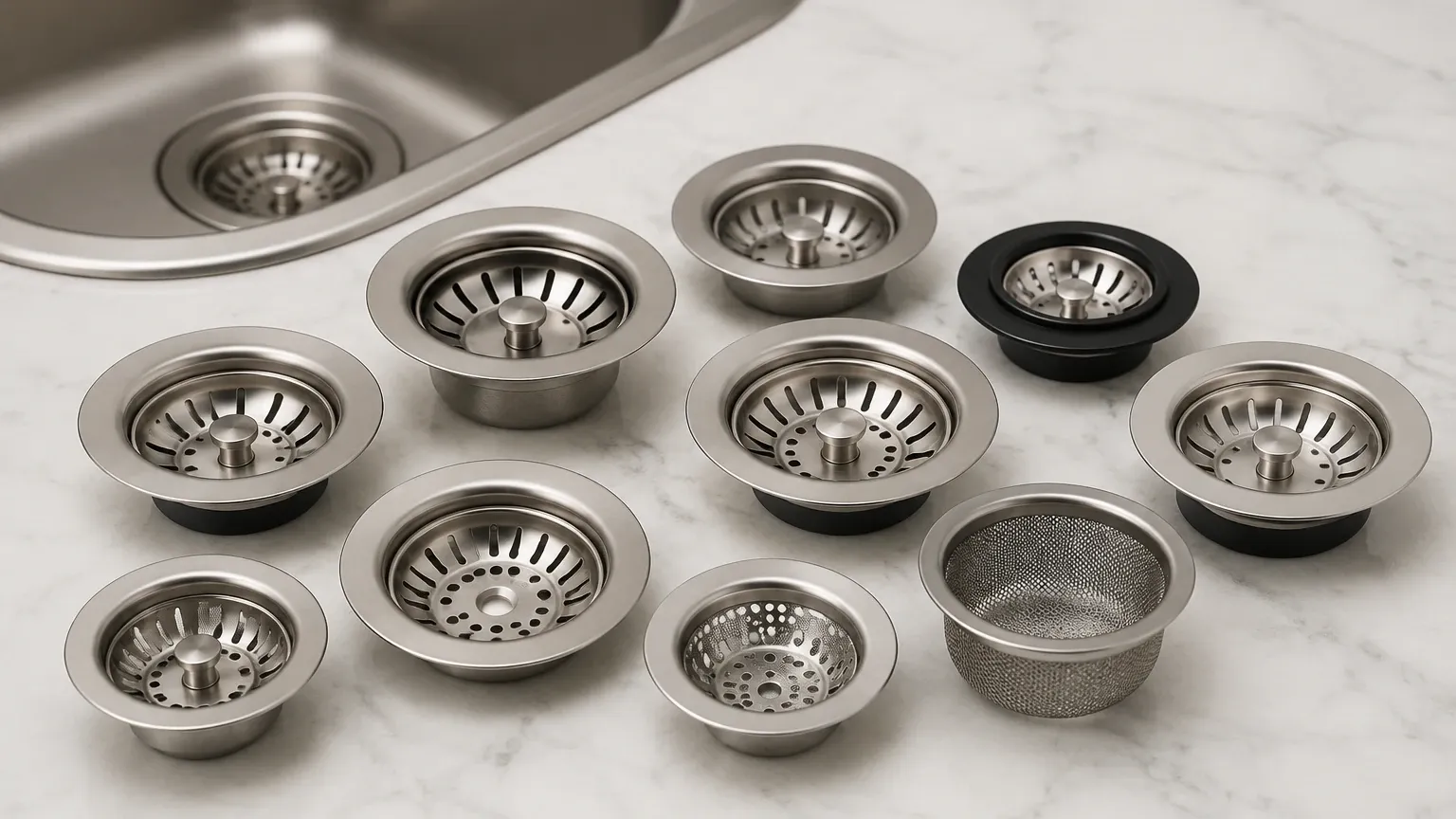
To understand if sink strainers are universal, one must first look at the prevailing standards in plumbing and industrial drainage. In most commercial and residential settings, the 3.5-inch (approximately 89mm) drain opening is the most common standard. This allows many off-the-shelf strainers to fit a wide variety of sinks.
However, "universal" is a relative term. Even within the 3.5-inch standard, variations in flange thickness, thread pitch on the locking nut, and the depth of the strainer basket can create installation challenges. In industrial contexts, the variance is even greater. Industrial sinks used for equipment washing, chemical disposal, or high-volume food processing may feature drain openings ranging from 2 inches to 6 inches or more, depending on the required flow rate and the nature of the waste being filtered.
Factors That Negate Universality
1. Drain Hole Diameter: While 3.5 inches is common, utility sinks and heavy-duty industrial basins often utilize larger diameters to accommodate higher fluid volumes.
2. Sink Material Thickness: A strainer designed for a thin stainless steel sink may not have a long enough shank to secure properly to a thick cast iron or stone composite basin.
3. Connection Types: Some systems require threaded NPT connections, while others use friction fits or specialized gaskets for high-pressure or high-temperature environments.
4. Filtration Requirements: A standard sink strainer is designed to catch large debris. Industrial processes often require specific micron ratings to protect downstream pumps and valves.
Material Selection: Beyond the Fit
Even if a strainer fits the physical dimensions of a drain, it is not truly "universal" if the material cannot withstand the operating environment. In industrial filtration, the choice of material is as important as the physical dimensions.
Kaifil specializes in manufacturing high-performance Strainers & Baskets using premium alloys. For most industrial applications, Stainless Steel 304 and 316 are the benchmarks.
* Stainless Steel 304: Suitable for general-purpose applications, offering excellent durability and rust resistance in water-based environments.
* Stainless Steel 316: Contains molybdenum, which provides superior resistance to chlorides and acids. This is the preferred choice for chemical processing plants, marine environments, and pharmaceutical facilities where rigorous cleaning agents are used.
Using a "universal" retail-grade strainer made of thin-gauge steel or chrome-plated brass in an industrial setting often leads to rapid corrosion and failure. Engineers must specify the alloy to ensure the component survives the chemical and thermal stresses of the facility.
Engineering Specifications for Industrial Strainers and Baskets
When moving away from the "are sink strainers universal" mindset, engineers must focus on technical specifications. Industrial filtration components are defined by their ability to manage flow while capturing specific particle sizes.
Mesh Count and Perforation Patterns
Unlike consumer-grade strainers that use a simple perforated plate, industrial baskets utilize various media types:
* Woven Wire Mesh: Provides precise filtration for fine particles. Mesh counts can range from coarse to ultra-fine (micron-rated).
* Perforated Metal: Offers high structural strength for heavy-duty applications where large debris must be captured without the basket deforming under the weight or pressure.
* Sintered Mesh: For extreme environments, multiple layers of mesh are sintered together to provide maximum durability and filtration accuracy.
Flow Rate and Pressure Drop
A critical engineering consideration is the "open area" of the strainer. A universal strainer may fit the hole, but if its open area is too low, it will cause a significant pressure drop (delta P) or slow the drainage to unacceptable levels. Professional-grade baskets are engineered to balance structural integrity with maximum flow efficiency.
Customization: Why OEM Solutions Often Replace "Universal" Parts
In many B2B scenarios, a standard off-the-shelf component is insufficient. Customization allows for the integration of specific features that improve operational uptime. When a facility asks if sink strainers are universal, they are often looking for a replacement part for a unique piece of equipment.
Custom manufacturing capabilities allow for:
* Non-Standard Flange Sizes: To fit proprietary machinery or older infrastructure that does not follow modern standards.
* Integrated Handles and Lifting Lugs: Facilitating easier removal and cleaning in high-volume production lines.
* Reinforced Bottoms: To prevent the basket from collapsing under the weight of heavy industrial waste.
* Magnetic Inserts: To capture ferrous metal fines that might pass through a standard mesh.
By opting for customized filtration components, facilities reduce the risk of bypass—where fluid flows around the filter rather than through it—which is a common issue with poorly fitted "universal" parts.
Installation and Maintenance Considerations
The longevity of a strainer assembly is heavily dependent on proper installation and a regular maintenance cycle. Even the highest quality stainless steel component requires oversight.
Sealing Mechanisms
Universal strainers often rely on plumber’s putty or basic rubber gaskets. In industrial environments, sealing must be more robust. Depending on the fluid being handled, gaskets may need to be made of Viton, EPDM, or PTFE to ensure chemical compatibility and prevent leaks at the drain interface.
Replacement Cycles
In a B2B context, the replacement cycle is governed by the wear and tear of the process. A strainer used in a food processing plant may need to be sanitized daily and replaced annually due to the abrasive nature of the cleaning chemicals. Monitoring the condition of the wire mesh for fraying or the perforated plate for "out-of-round" holes is a key part of preventative maintenance.
Total Cost of Ownership (TCO)
While a "universal" strainer may have a lower initial purchase price, the TCO is often higher in an industrial setting. Frequent replacements, labor costs for installation, and the potential for downstream damage to pumps and piping systems make cheap, non-specialized components a liability.
Investing in precision-engineered filtration solutions ensures:
1. Reduced Downtime: Longer service life and easier cleaning.
2. Equipment Protection: Reliable capture of debris protects expensive downstream machinery.
3. Regulatory Compliance: Especially in food and pharmaceutical sectors where material traceability and hygienic design are mandatory.
Conclusion: Choosing Precision Over Universality
While the answer to "are sink strainers universal" is a qualified "yes" for basic residential applications, the answer for industrial and commercial engineers is a firm "no." The demands of industrial filtration require a deeper look at dimensions, material science, and flow dynamics.
When selecting filtration components, it is vital to work with a manufacturer that understands these technical boundaries. Whether you require standard replacements or highly specialized OEM designs, focusing on the specific needs of your application will always yield better results than relying on a universal fit. For those managing complex systems, reviewing professional Strainers & Baskets options is the first step toward optimizing process reliability and ensuring long-term filtration performance.
