


Basket Strainer 1 Inch
In industrial fluid handling, the selection of filtration components is governed by the specific requirements of the piping system, the nature of the fluid, and the required level of protection for downstream equipment. A basket strainer 1 inch in size is a fundamental component for small-bore piping systems, providing a critical line of defense against particulate contamination. These units are designed to remove relatively large solids from liquids, protecting pumps, valves, heat exchangers, and spray nozzles from mechanical damage and operational downtime.
For engineers and procurement teams, selecting the correct Strainers & Baskets involves more than simply matching a pipe diameter. It requires a detailed understanding of flow dynamics, material compatibility, and the structural integrity of the filter element under varying pressure conditions.
Technical Specifications of 1-Inch Basket Strainers
A basket strainer 1 inch unit typically serves applications with flow rates ranging from 10 to 30 gallons per minute (GPM), depending on the fluid viscosity and the allowable pressure drop. Because the 1-inch port is relatively small, the internal basket area becomes a primary focus for engineering. The ratio of the open area of the basket to the cross-sectional area of the inlet pipe (often referred to as the "open area ratio") should ideally be 6:1 or higher to ensure long run times between cleanings.
Connection Types and Standards
Common connection types for 1-inch strainers include:
* NPT (National Pipe Thread): Standard for most threaded industrial applications in North America.
* BSPT (British Standard Pipe Taper): Common in international markets and hydraulic systems.
* Flanged (ANSI/ASME B16.5): Preferred for high-pressure systems or where frequent removal for maintenance is required.
* Socket Weld: Used in high-pressure or high-temperature lines where a permanent, leak-proof joint is necessary.
Engineering Considerations: Flow Rate and Pressure Drop
The most critical performance metric for a basket strainer 1 inch is the clean pressure drop (ΔP). As fluid enters the strainer body, it experiences a change in velocity and direction, which naturally results in energy loss. If the mesh or perforation is too fine for the application, the ΔP will increase rapidly, potentially causing cavitation in suction-side pumps or reducing the efficiency of the entire process.
When specifying a 1-inch unit, engineers must calculate the Flow Coefficient (Cv), which represents the flow of water in GPM through the strainer with a 1 psi pressure drop. A high Cv value indicates lower resistance. For a standard 1-inch basket strainer, Cv values typically range between 12 and 18. If the fluid has a higher viscosity than water (such as heavy oils or syrups), the pressure drop must be corrected using viscosity factors provided by the manufacturer.
Material Selection for Industrial Environments
Kaifil specializes in stainless steel filtration solutions because of the material's superior durability and resistance to chemical degradation. For a basket strainer 1 inch, the choice of material for both the housing and the internal basket is paramount.
Stainless Steel 304 vs. 316
* Type 304: Suitable for general industrial use, water treatment, and food processing where moderate corrosion resistance is required.
* Type 316/316L: Contains molybdenum, which provides enhanced resistance to chlorides and pitting. This is the standard for pharmaceutical, chemical processing, and marine environments.
Gasket and Seal Compatibility
The effectiveness of a basket strainer is also dependent on the seals used in the cover. Depending on the chemical composition and temperature of the process fluid, seals may be specified in:
* Buna-N (Nitrile): Good for oil and water applications.
* EPDM: Excellent for steam and water, but poor for oils.
* Viton (FKM): High-temperature and chemical resistance.
* PTFE: Near-universal chemical compatibility, though with less elasticity.
Internal Basket Design and Perforation
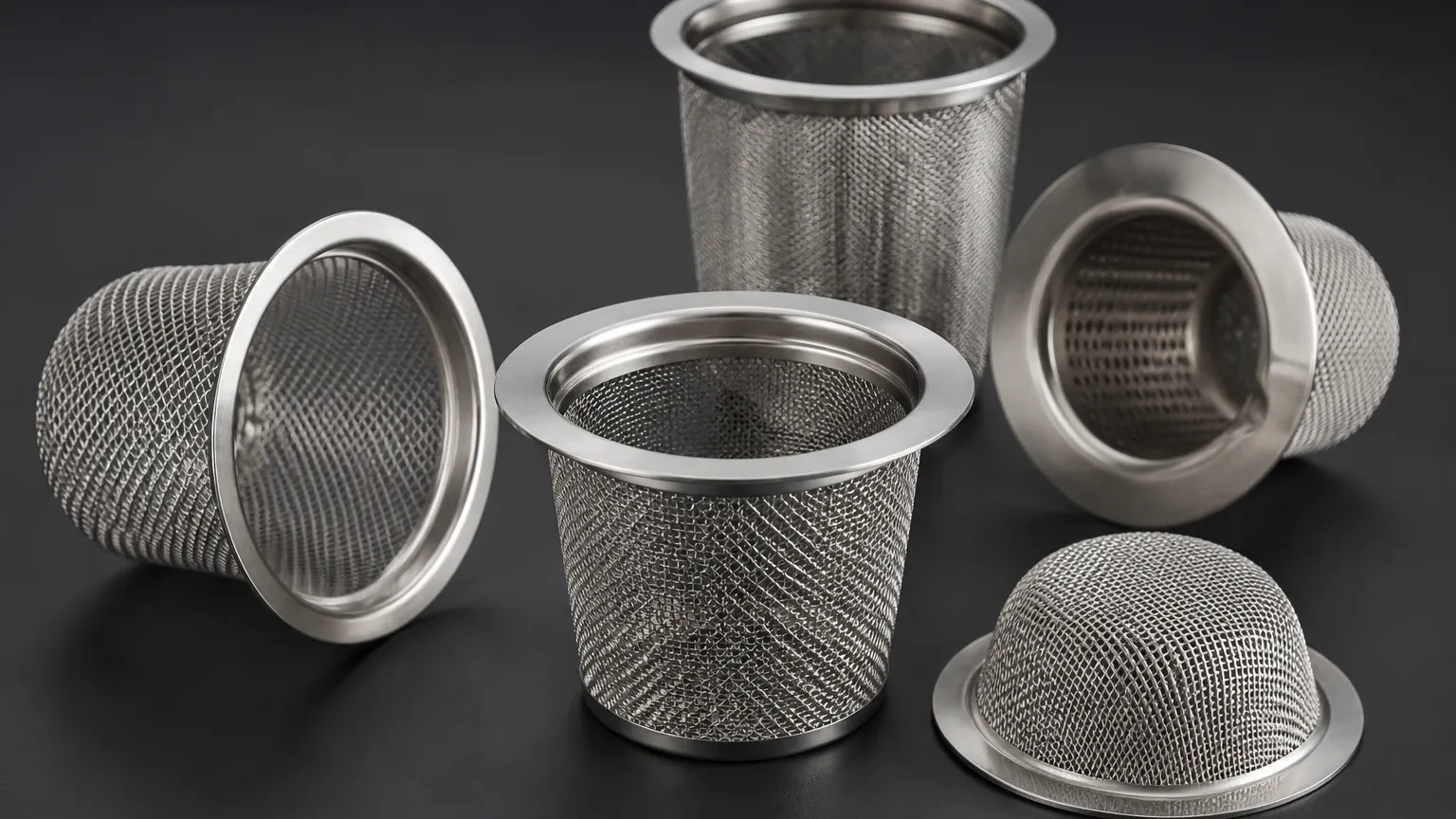
The internal element of a basket strainer 1 inch is where the actual filtration occurs. Unlike Y-strainers, which have a limited dirt-holding capacity, basket strainers feature a larger, bucket-shaped element that can hold a significant volume of debris.
Perforated Metal vs. Wire Mesh
For coarse filtration (removing large scale, pebbles, or bolts), a perforated metal basket is sufficient. Common perforation sizes range from 1/32" to 1/4". However, if finer filtration is required, the perforated basket serves as a support structure for a fine stainless steel wire mesh liner.
Kaifil provides custom mesh linings that can reach filtration accuracies down to 5 microns. In a 1-inch system, using a high-quality wire mesh ensures that even microscopic particles are captured without compromising the structural integrity of the basket under high differential pressure.
Application-Specific Requirements
The versatility of the basket strainer 1 inch allows it to be utilized across various sectors, each with unique engineering constraints:
1. Chemical Processing: Requires high corrosion resistance and often quick-opening covers to minimize operator exposure during cleaning.
2. Food and Beverage: Demands "sanitary" designs with polished surfaces (Ra < 0.8 µm) to prevent bacterial growth and facilitate Clean-in-Place (CIP) procedures.
3. Hydraulic Systems: Used in return lines or suction lines to protect sensitive valves and actuators from metal shavings and wear particles.
4. Pharmaceutical: Requires 316L stainless steel and full traceability of materials (MTRs) to meet regulatory standards.
Maintenance and Operational Safety
One of the primary advantages of a basket strainer over other filter types is the ease of maintenance. Because the basket is accessed from the top, it can be removed, cleaned, and replaced without draining the entire piping system (provided isolation valves are installed).
Differential Pressure Monitoring
To optimize the replacement cycle, it is recommended to install differential pressure gauges across the inlet and outlet of the 1-inch strainer. A common rule of thumb is to clean the basket when the pressure drop reaches 5-10 psi above the clean pressure drop. Ignoring this can lead to basket collapse or "blow-by," where the pressure forces contaminants through the mesh or around the seals.
Safety Covers
For systems operating under high pressure or with hazardous fluids, the cover design of the basket strainer 1 inch is a safety consideration. While threaded covers are economical, bolted covers or quick-release "swing-bolt" designs provide more secure sealing and faster access for maintenance personnel.
Customization and OEM Solutions
Standard off-the-shelf strainers may not always meet the exact spatial or performance requirements of a specialized industrial machine. Kaifil’s manufacturing capabilities allow for the production of customized Strainers & Baskets that fit specific footprints or offer non-standard filtration levels.
Customization options for a 1-inch basket strainer include:
* Modified Inlet/Outlet Heights: To fit existing piping configurations.
* Magnetic Inserts: To capture fine ferrous particles that might otherwise pass through the mesh.
* Specialized Coatings: For extreme chemical resistance.
* Double-Walled Baskets: For increased strength in high-viscosity applications.
Total Cost of Ownership (TCO)
When evaluating a basket strainer 1 inch, the initial purchase price is only one component of the total cost. Engineers should consider the following to ensure long-term cost-effectiveness:
* Durability: A high-quality stainless steel housing can last decades, whereas cheaper plastic or low-grade alloy housings may fail due to UV exposure or stress cracking.
* Cleaning Efficiency: Baskets that are easy to clean reduce labor costs and process downtime.
* Replacement Part Availability: Ensuring that replacement baskets and gaskets are readily available prevents extended outages.
* Energy Consumption: A well-designed strainer with a low pressure drop reduces the load on pumps, leading to significant energy savings over the life of the system.
Conclusion for Procurement and Engineering Teams
The 1-inch basket strainer is a workhorse of industrial filtration, providing essential protection for small-diameter lines. By focusing on technical parameters such as Cv values, material grades, and mesh specifications, technical professionals can ensure they select a component that optimizes process reliability. Whether for a pilot plant or a high-volume manufacturing line, the integration of a precision-engineered strainer is a fundamental step in maintaining fluid system integrity.
For those requiring specific configurations or high-performance stainless steel components, reviewing specialized Strainers & Baskets options is the most effective way to align hardware capabilities with application demands. Kaifil remains committed to supporting these technical requirements through advanced manufacturing and engineering expertise.
