


Basket Strainer 8 Inch
In large-scale industrial fluid handling, the protection of downstream equipment such as pumps, valves, and heat exchangers is paramount. A basket strainer 8 inch unit serves as a critical line of defense in piping systems where high flow rates and significant debris loads are common. At this scale, the engineering requirements shift from simple filtration to complex fluid dynamics and structural integrity management. Selecting the right strainer involves a comprehensive understanding of material science, pressure drop calculations, and the specific operational demands of the application.
As a specialized manufacturer, Kaifil provides high-performance Strainers & Baskets designed to meet the rigorous standards of chemical processing, water treatment, and industrial manufacturing. This guide explores the technical considerations essential for engineers and procurement teams when specifying an 8-inch basket strainer.
Engineering Specifications for 8-Inch Systems
An 8-inch nominal pipe size (NPS) indicates a system capable of moving substantial volumes of liquid. Consequently, the strainer housing must be engineered to withstand not only the internal static pressure but also the dynamic forces exerted by high-velocity flow.
Material Integrity and Chemical Compatibility
The choice of material is the first decision in the specification process. For most industrial applications, stainless steel is the preferred medium due to its balance of mechanical strength and corrosion resistance.
* Stainless Steel 304: Suitable for general industrial use, water treatment, and applications where mild corrosive elements are present. It offers excellent cost-effectiveness for non-acidic environments.
* Stainless Steel 316/316L: Necessary for chemical processing, pharmaceutical production, and marine environments. The addition of molybdenum provides superior resistance to chlorides and pitting corrosion.
* Specialty Alloys: In highly aggressive environments involving concentrated acids or high-temperature brines, exotic materials like Duplex stainless steel or Monel may be required to prevent premature failure of the housing or the internal basket.
Pressure Ratings and Standard Compliance
A basket strainer 8 inch must be rated according to the pressure class of the surrounding piping system. Common ratings include ANSI Class 150, 300, and 600. For an 8-inch unit, the flange dimensions and wall thickness must strictly adhere to ASME B16.5 standards to ensure leak-proof integration. Engineers must also consider the design temperature, as pressure-holding capabilities decrease as the operating temperature rises.
Performance Metrics: Flow Rate and Pressure Drop
The primary functional goal of a strainer is to remove contaminants without significantly impeding the flow of the process fluid. This is measured through the "Clean Pressure Drop" (ΔP).
Calculating the Clean Pressure Drop
For an 8-inch system, the pressure drop is influenced by the fluid's viscosity, specific gravity, and velocity. A well-designed strainer should typically exhibit a clean pressure drop of less than 2 PSI at the system's rated flow. If the initial ΔP is too high, it reduces the available head for downstream pumps and shortens the time between cleaning cycles.
Kaifil’s engineering team utilizes flow coefficient (Cv) values to help customers predict performance. The Cv represents the flow of water in gallons per minute (GPM) that will pass through the strainer with a 1 PSI pressure drop. For an 8-inch basket strainer, a high Cv value is indicative of an efficient internal geometry that minimizes turbulence.
The Importance of the Area Ratio
The "Open Area Ratio" is the relationship between the internal cross-sectional area of the 8-inch pipe and the total open area of the holes in the strainer basket. To ensure longevity and low maintenance, a ratio of at least 6:1 is often recommended for industrial applications. A higher ratio allows the strainer to collect more debris before the pressure drop reaches the "clogged" threshold, which is usually defined as a 5 PSI to 10 PSI increase over the clean state.
Internal Component Design: Mesh and Perforation
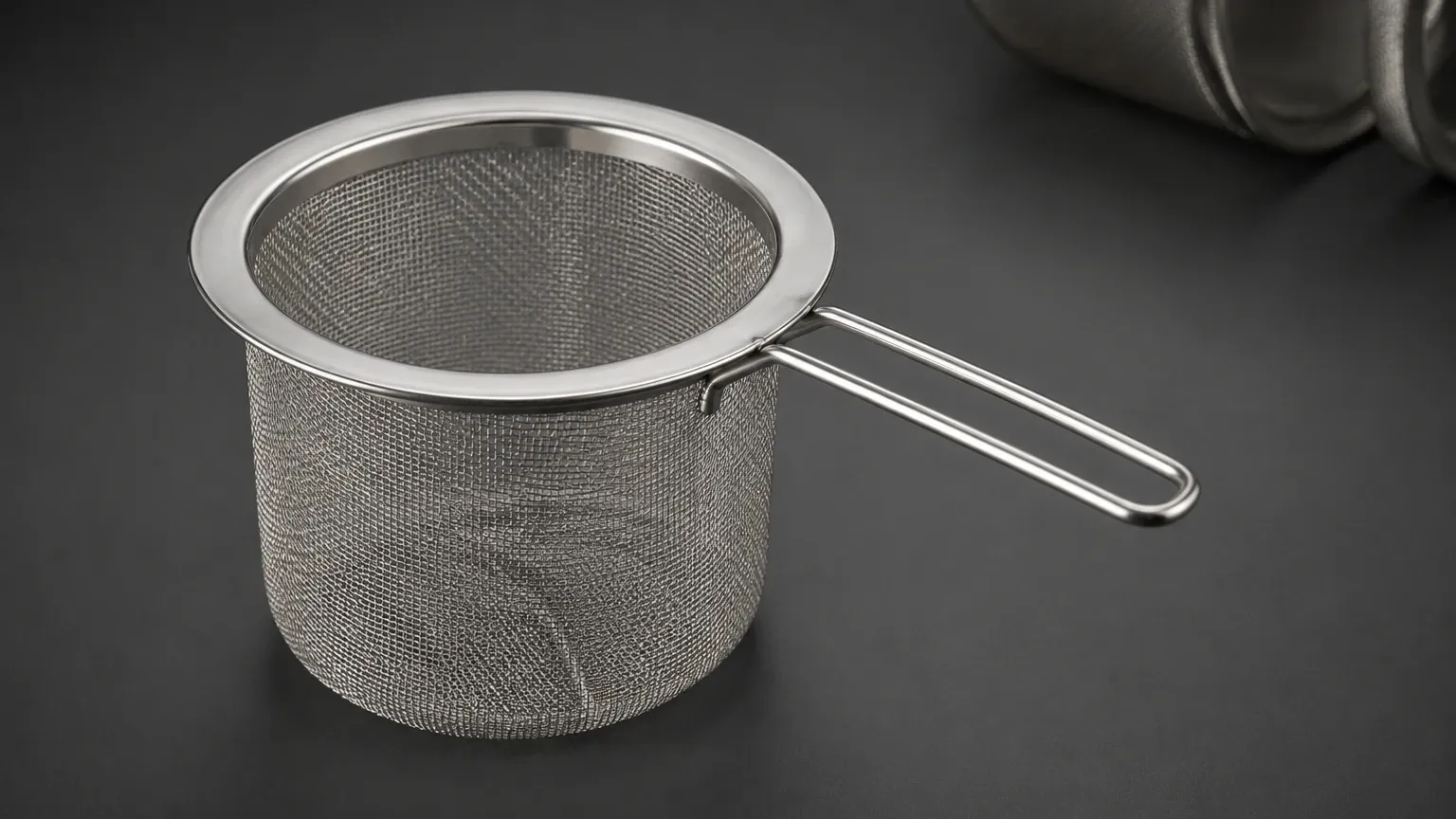
The heart of the basket strainer 8 inch is the removable basket itself. The design of this component determines the filtration accuracy and the structural durability of the unit.
1. Perforated Plate: This serves as the primary structural element. Common hole sizes range from 1/16" to 1/4". In high-pressure applications, the thickness of the perforated plate must be sufficient to resist buckling under the force of the fluid flow.
2. Wire Mesh Lining: For finer filtration requirements (down to 20 microns or less), a stainless steel wire mesh is sintered or spot-welded to the inside of the perforated basket. This provides the necessary filtration precision while the perforated plate provides the mechanical support.
3. Reinforcement Cages: For 8-inch baskets, the surface area is large enough that the fluid force can be significant. Reinforcement bands or external cages are often added to prevent the basket from collapsing if it becomes heavily loaded with debris.
Operational Configurations: Simplex vs. Duplex
When specifying an 8-inch strainer, the necessity of continuous operation must be evaluated.
* Simplex Strainers: These are used in batch processes or systems where the flow can be shut down temporarily to clean the basket. They are more compact and cost-effective but require a system halt for maintenance.
* Duplex Strainers: These consist of two separate strainer chambers connected by a diverting valve. In high-flow 8-inch lines, duplex systems allow the operator to switch flow to the clean chamber while the dirty basket is serviced, ensuring 100% uptime. This is critical in power plants, refineries, and continuous chemical production lines.
Maintenance and Longevity in High-Flow Applications
The total cost of ownership (TCO) of a basket strainer 8 inch is heavily influenced by its maintenance requirements. At this size, the weight of the basket and the volume of the housing make ergonomics a factor.
Cover Design and Accessibility
* Bolted Covers: These are the standard for high-pressure applications. They provide a secure seal but require more time and tools to open. For an 8-inch unit, this may involve 8 to 12 bolts.
* Quick-Opening Covers: Utilizing swing bolts or yoke-style closures, these allow for tool-free access. This significantly reduces downtime during cleaning cycles, which is a major benefit in high-solids applications where the basket must be emptied frequently.
Sealing Mechanisms
Proper gasket selection is vital to prevent bypass and external leaks. While standard EPDM or Nitrile (Buna-N) gaskets work for water, chemical applications may require Viton or PTFE-encapsulated O-rings. For an 8-inch housing, ensuring the seal remains seated during cover re-installation is a common engineering challenge that Kaifil addresses through precision-machined grooves.
Procurement Considerations for Custom 8-Inch Strainers
Off-the-shelf solutions often fail to meet the specific nuances of a complex industrial site. When ordering a basket strainer 8 inch, engineers should confirm the following with the manufacturer:
* Nozzle Orientation: Can the inlet and outlet be customized (e.g., offset or angled) to fit existing piping footprints?
* Differential Pressure Taps: Are there NPT ports for the installation of pressure gauges or sensors to monitor clogging levels?
* Drain and Vent Ports: Are these appropriately sized for the volume of the 8-inch housing to allow for rapid draining before maintenance?
* Support Legs: Given the weight of a filled 8-inch stainless steel strainer, integrated floor stands or support legs are often necessary to prevent stress on the piping flanges.
Why Technical Expertise Matters
Choosing a basket strainer is not merely a commodity purchase; it is a technical decision that affects the safety and efficiency of an entire facility. A poorly specified strainer can lead to cavitation in pumps, contaminated end-products, or catastrophic pipe failure due to water hammer or excessive pressure.
Kaifil’s approach to manufacturing Strainers & Baskets involves rigorous quality control and a deep understanding of the application environment. By focusing on precision manufacturing and customized engineering, we ensure that every 8-inch unit provides reliable service in the most demanding industrial conditions.
For engineers currently in the design or replacement phase, confirming the fluid velocity, maximum allowable pressure drop, and chemical concentration is the first step toward a successful installation. Whether the requirement is for a standard simplex unit or a complex custom-engineered solution, the focus remains on durability, ease of maintenance, and precise filtration performance.
