


Basket Strainer Adapter
In industrial fluid handling systems, the efficiency of a filtration process is often determined by the integrity of the interface between the piping and the filtration element. A basket strainer adapter serves as a critical component in this interface, ensuring that the filtration media is securely positioned, properly sealed, and capable of handling the hydraulic stresses of the application. For engineers and procurement specialists, selecting the right adapter is not merely a matter of fitting two parts together; it involves a deep understanding of fluid dynamics, material compatibility, and mechanical engineering principles.
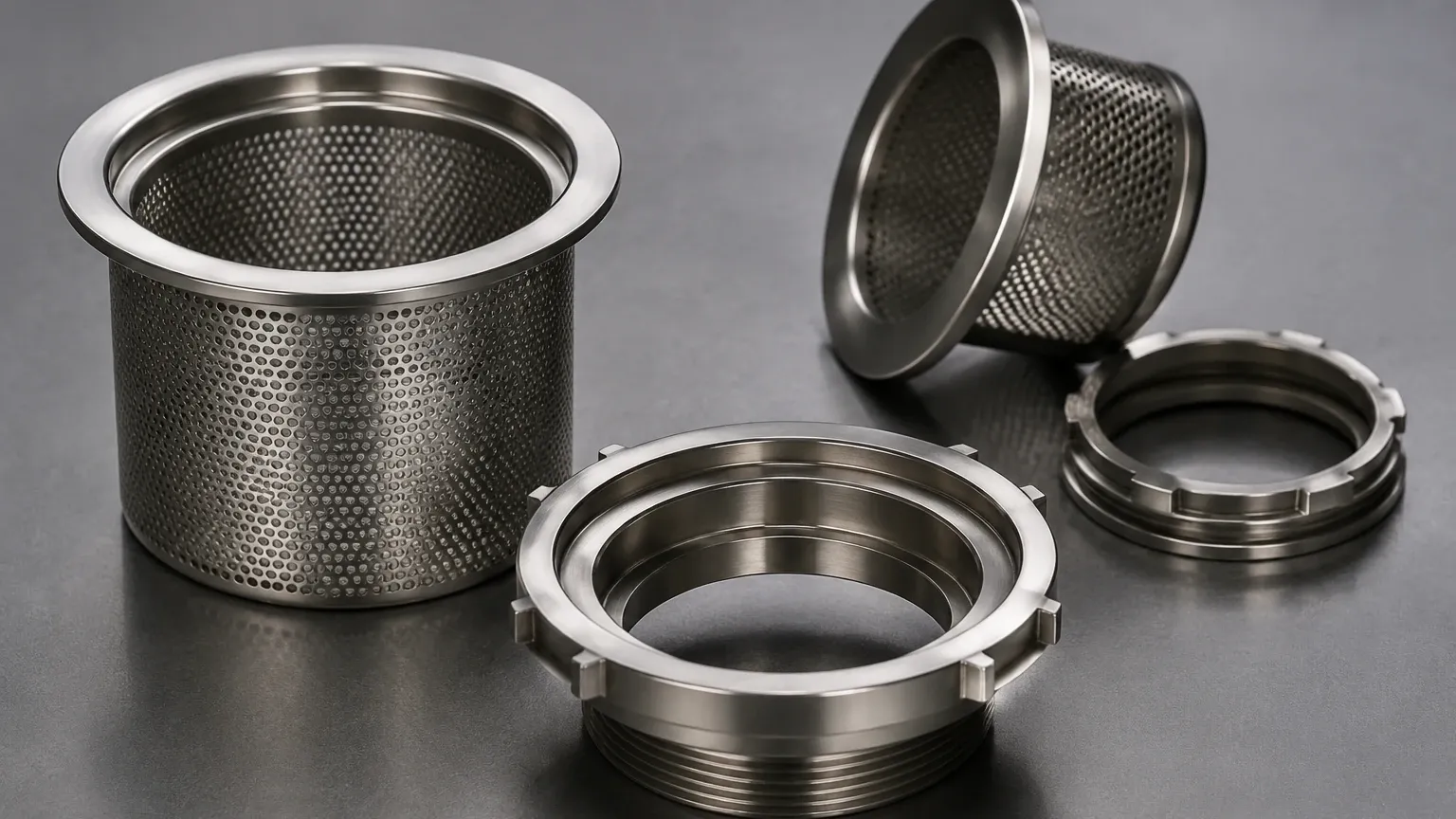
Industrial filtration systems rely on Strainers & Baskets to protect downstream equipment such as pumps, valves, and heat exchangers from particulate contamination. The adapter acts as the bridge that facilitates this protection, allowing for seamless integration of specialized baskets into standard or custom housings. This article examines the technical nuances of the basket strainer adapter, its role in system performance, and the engineering criteria essential for selection and customization.
The Functional Role of a Basket Strainer Adapter
The primary function of a basket strainer adapter is to provide a stable and leak-proof mounting point for the strainer basket within a housing or pipeline. In many industrial configurations, the basket itself is a removable component designed for periodic cleaning or replacement. The adapter ensures that the basket remains seated correctly despite the force exerted by high-velocity fluid flow.
Beyond simple positioning, the adapter often performs several secondary functions:
1. Sealing and Bypass Prevention: One of the most significant risks in industrial filtration is fluid bypass—where unfiltered liquid escapes around the edges of the filter element. A precision-engineered adapter provides a machined surface for gaskets or O-rings, ensuring that 100% of the fluid passes through the mesh.
2. Connection Standardization: Systems frequently involve mismatched connection types, such as a flanged housing requiring a threaded basket interface. The basket strainer adapter serves as the mechanical converter between these different standards.
3. Structural Support: In high-pressure applications, the basket can experience significant differential pressure (ΔP) as it becomes loaded with contaminants. The adapter distributes these mechanical loads to the housing wall, preventing the basket from collapsing or deforming.
Engineering Considerations for Material Selection
When specifying a basket strainer adapter, material selection is the most critical factor in ensuring long-term reliability. Because these components are in constant contact with the process fluid, they must withstand chemical corrosion, thermal expansion, and mechanical wear.
Stainless Steel Grades
Most industrial adapters are manufactured from stainless steel due to its superior durability and resistance to oxidation.
* Type 304 Stainless Steel: Suitable for general-purpose applications, including water treatment and mild chemical processing. It offers excellent cost-effectiveness and structural strength.
* Type 316L Stainless Steel: The standard for pharmaceutical, food and beverage, and highly corrosive chemical environments. The addition of molybdenum provides enhanced resistance to pitting and crevice corrosion, particularly in chloride-rich environments.
Chemical Compatibility
Engineers must verify that the adapter material is compatible with the specific pH levels, concentrations, and temperatures of the process fluid. For instance, in the chemical processing industry, even high-grade stainless steel may require specific surface treatments or passivization to ensure that the adapter does not introduce metallic ions into the fluid stream or succumb to intergranular corrosion.
Optimizing Flow Dynamics and Pressure Drop
Every component added to a piping system introduces some level of resistance to flow, contributing to the overall pressure drop. An improperly designed basket strainer adapter can create excessive turbulence or restrictive flow paths, which reduces the efficiency of the entire system.
When integrating Strainers & Baskets, the adapter's internal diameter and geometry must be optimized to match the flow characteristics of the basket. A well-designed adapter features smooth transitions and chamfered edges to minimize the formation of eddies. This is particularly important in high-viscosity applications, such as oil and gas or food processing (e.g., syrups and chocolates), where flow resistance can lead to significant energy losses at the pump.
Furthermore, the adapter must be sized to accommodate the "open area ratio" of the strainer. If the adapter's throat is narrower than the basket's effective filtration area, it becomes a bottleneck, leading to premature pressure alarms and increased maintenance frequency.
Technical Specifications: Connection Types and Standards
The versatility of a basket strainer adapter is reflected in the variety of connection standards it can bridge. Depending on the installation requirements, adapters may feature:
* Threaded Connections (NPT/BSP): Common in smaller-scale systems or hydraulic applications where a secure, high-pressure seal is required without the bulk of flanges.
* Flanged Interfaces (ANSI/DIN/JIS): Used in larger industrial pipelines. The adapter provides the necessary bolt-hole pattern and gasket surface to mate with standard piping flanges.
* Sanitary Tri-Clamp Fittings: Essential for the pharmaceutical and food industries. These adapters are designed for "Clean-in-Place" (CIP) protocols, featuring smooth, crevice-free surfaces that prevent bacterial growth.
* Custom Machined Profiles: In OEM applications, the adapter may be integrated directly into a custom housing, requiring unique dimensions to fit proprietary equipment designs.
Common Risks and Mitigation Strategies
Failure to properly specify a basket strainer adapter can lead to several operational issues. Understanding these risks allows engineers to implement proactive mitigation strategies during the design phase.
1. Galvanic Corrosion
If the adapter is made of a different metal than the housing or the basket, galvanic corrosion can occur in the presence of an electrolyte. This leads to the rapid degradation of the less noble metal. To mitigate this, it is standard practice to match the metallurgy across all filtration components or use dielectric insulators where appropriate.
2. Vibration and Fatigue
In systems with reciprocating pumps or rapid valve cycling, fluid pulsations can cause the basket and its adapter to vibrate. Over time, this can lead to work hardening and fatigue cracks. Selecting an adapter with a robust wall thickness and secure locking mechanisms (such as bayonet mounts or heavy-duty bolting) ensures the assembly remains stable under dynamic loads.
3. Seal Degradation
The gaskets or O-rings used within the adapter must be compatible with the process temperature. In high-temperature steam or thermal oil applications, standard Buna-N or EPDM seals may fail. Engineers should specify Viton, PTFE, or metallic seals to maintain the integrity of the basket strainer adapter interface.
Customization and OEM Integration
Industrial applications rarely follow a one-size-fits-all approach. Customization is often required to meet specific filtration accuracies or spatial constraints. As a manufacturer specializing in stainless steel filtration solutions, Kaifil provides the engineering expertise necessary to develop bespoke adapters that align with unique project requirements.
Customization options often include:
* Variable Micron Ratings: Designing the adapter to support baskets with specific mesh sizes, ranging from coarse perforated metal to fine Dutch weave wire mesh.
* Reinforced Structures: For applications involving high differential pressures, adapters can be reinforced with internal ribs or thicker flanges to prevent deformation.
* Specialized Coatings: Applying electropolishing or Teflon coatings to the adapter to improve corrosion resistance or reduce particle adhesion.
When purchasing Strainers & Baskets, it is essential to confirm the dimensional tolerances of the adapter. Even a millimeter of deviation can lead to improper seating, resulting in bypass or difficulty during the maintenance cycle. Working with a manufacturer that utilizes advanced CNC machining ensures that every adapter meets the precise specifications required for a perfect fit.
Maintenance and Replacement Cycles
While the basket is the primary wear item in a filtration system, the adapter also requires periodic inspection. During routine maintenance, technical teams should check for:
* Erosion at the Sealing Surface: High-velocity fluid can cause "wire-drawing" or erosion on the machined surfaces of the adapter, which compromises the seal.
* Thread Wear: In threaded systems, frequent removal of the basket for cleaning can wear down the threads on the adapter.
* Deformation: Check for any signs of warping or out-of-roundness that might indicate the system is operating beyond its designed pressure limits.
Establishing a clear replacement cycle for adapters, especially in critical or high-wear applications, helps prevent unscheduled downtime. In many cases, having a spare basket strainer adapter on hand is a cost-effective insurance policy against system failure.
Conclusion: Making Informed Purchasing Decisions
The selection of a basket strainer adapter is a technical decision that impacts the reliability, efficiency, and safety of industrial fluid systems. By focusing on material integrity, flow optimization, and precise mechanical standards, engineers can ensure that their filtration systems perform as intended.
Whether you are designing a new chemical processing line or upgrading a hydraulic system, understanding the interplay between the adapter and the Strainers & Baskets is paramount. Prioritizing quality manufacturing and technical compatibility will lead to lower total cost of ownership and superior protection for your critical industrial assets. For complex requirements, collaborating with a specialized manufacturer like Kaifil ensures that the filtration components are engineered to withstand the most demanding industrial environments.
