


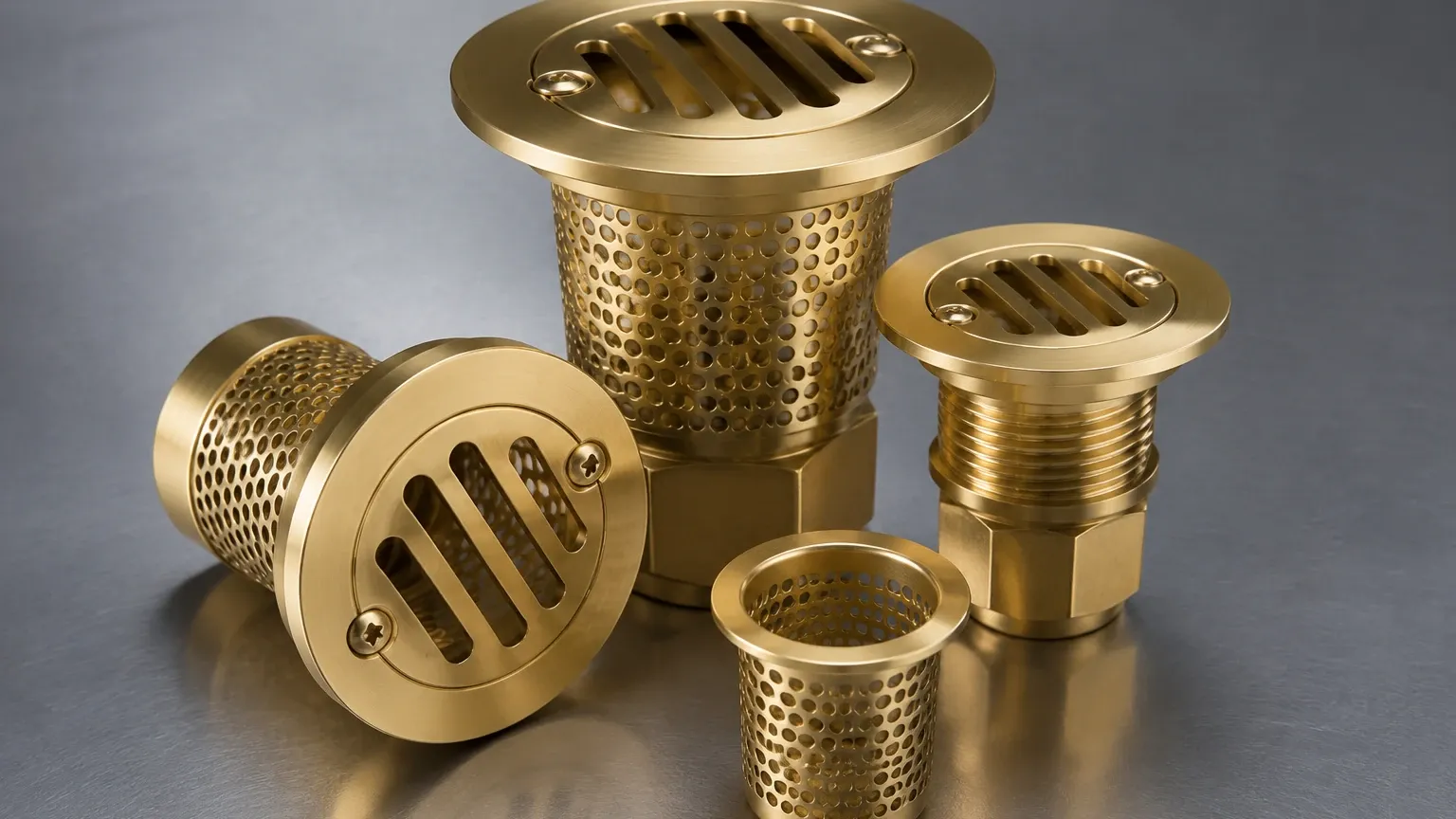
Basket Strainer Brass
In industrial fluid handling and piping systems, the protection of sensitive downstream equipment—such as pumps, valves, meters, and nozzles—is a primary engineering concern. The basket strainer serves as a critical line of defense, utilizing a removable screen to intercept and retain solid contaminants from the flow. While various materials are available, the basket strainer brass configuration remains a staple in specific utility and industrial applications due to its unique mechanical properties and cost-effectiveness.
For engineers and procurement professionals, selecting the right material involves balancing chemical compatibility, pressure-temperature ratings, and long-term durability. While brass is a versatile alloy, it is essential to understand where it excels and where high-performance alternatives, such as the Strainers & Baskets manufactured from stainless steel, become necessary to ensure system integrity.
Technical Properties of Brass in Filtration Systems
Brass is an alloy primarily composed of copper and zinc. In the context of industrial strainers, the specific alloy composition (such as C37700 or C38500) significantly influences the component's performance. The inclusion of zinc enhances the material's strength and ductility, making it easier to machine into complex strainer bodies compared to harder alloys.
Corrosion Resistance and Limitations
Brass offers excellent resistance to corrosion in many environments, particularly in freshwater, brine, and non-oxidizing acids. However, engineers must account for "dezincification"—a process where zinc is selectively leached from the alloy in certain water chemistries, leaving behind a porous, weakened copper structure. In applications involving high-salinity seawater or aggressive chemicals, upgrading to stainless steel or specialized bronze is often required.
Thermal and Pressure Ratings
Typically, a basket strainer brass body is rated for lower to medium pressure ranges, often following Class 125 or Class 150 standards. Its thermal conductivity is high, but its mechanical strength begins to degrade at temperatures exceeding 200°C (392°F). For high-pressure steam or high-temperature thermal oil systems, stainless steel or cast steel strainers are the industry standard for safety and longevity.
Engineering Design: The Basket Element
The efficiency of a basket strainer is not determined solely by its housing but by the design and quality of the internal basket. As a specialized manufacturer, Kaifil emphasizes that the internal filtration media must be engineered to withstand the differential pressure generated as debris accumulates.
Perforation vs. Mesh Lining
Most basket strainers utilize a two-stage filtration approach. The primary structure is a perforated metal basket (typically 1/16" to 1/4" holes) which provides structural rigidity. For finer filtration requirements, this basket is lined with a precision-woven wire mesh. The choice of mesh size depends on the "critical particle size" that must be removed to protect downstream components.
Open Area Ratio (OAR)
One of the most important technical metrics for engineers is the Open Area Ratio. This is the ratio of the total open area of the strainer screen to the internal cross-sectional area of the inlet pipe. A high-quality basket strainer brass unit should ideally offer an OAR of 6:1 or higher. A higher OAR results in a lower initial pressure drop and extends the time between cleaning cycles, reducing operational downtime.
Performance Evaluation and Pressure Drop Calculations
When integrating a basket strainer brass unit into a system, calculating the expected pressure drop ($ΔP$) is vital for pump sizing and system efficiency. The total pressure drop is the sum of the drop across the strainer body and the drop across the clean basket element.
Factors Influencing $ΔP$:
1. Fluid Viscosity: Higher viscosity fluids (such as heavy oils) require larger baskets or coarser mesh to maintain acceptable flow rates.
2. Specific Gravity: The density of the fluid directly affects the kinetic energy lost as the fluid changes direction within the strainer body.
3. Flow Velocity: Industrial standards generally recommend keeping liquid velocities between 5 to 10 feet per second. Exceeding these limits can lead to excessive turbulence and accelerated erosion of the brass housing.
Engineers should consult flow coefficient (Cv) charts provided by the manufacturer. The Cv value represents the flow of water in gallons per minute at 60°F that will pass through the strainer with a 1 psi pressure drop. By comparing the Cv of a brass unit against stainless steel Strainers & Baskets, technical teams can determine the most efficient footprint for their specific flow requirements.
Industrial Applications for Brass Strainers
While stainless steel is preferred for food processing and aggressive chemical handling, the basket strainer brass remains the preferred choice for several key sectors:
* HVAC and Cooling Towers: Brass is highly effective in closed-loop cooling systems and chilled water applications where pH levels are controlled.
* Plumbing and Potable Water: Lead-free brass alloys are used in commercial building water lines to remove sediment and scale before it reaches faucets and valves.
* Marine Utility Lines: In non-critical onboard systems, such as wash-down water or fire mains, brass provides a balance of seawater resistance and cost-efficiency.
* Lubrication Systems: Brass is compatible with many petroleum-based lubricants and hydraulic fluids, making it suitable for protecting bearings and gears in industrial machinery.
Maintenance and Operational Longevity
The primary advantage of a basket-style strainer over a Y-strainer is its capacity for holding large amounts of debris and the ease of cleaning. However, improper maintenance of a basket strainer brass assembly can lead to premature failure.
Monitoring Differential Pressure
Installation of pressure gauges upstream and downstream of the strainer is a best practice. A common rule of thumb is to clean the basket when the differential pressure reaches 5-10 psi over the clean reading. Allowing the $ΔP$ to climb too high can result in "basket burst," where the internal screen collapses, sending both the collected debris and fragments of the screen into the downstream equipment.
Cleaning Protocols
Because brass is softer than stainless steel, care must be taken during the cleaning process. Abrasive mechanical cleaning or harsh chemical descalers can thin the walls of the strainer body or damage the seating surfaces where the basket rests. Ensuring a tight seal at the basket seat is critical; any "bypass" allows unfiltered fluid to skip the filtration media entirely.
Selection Criteria: When to Choose Brass vs. Stainless Steel
For purchasing teams, the initial cost of a basket strainer brass unit is often lower than that of a stainless steel equivalent. However, the total cost of ownership (TCO) must be evaluated.
1. Fluid Chemistry: If the fluid contains ammonia, certain acids, or high levels of oxygenated water, the risk of stress corrosion cracking in brass is high. In these instances, stainless steel is the only viable long-term solution.
2. Weight Considerations: Brass is significantly heavier than many other alloys. In weight-sensitive applications (such as skid-mounted equipment), this may impact the structural design of the piping supports.
3. Customization Requirements: For unique industrial processes, standard off-the-shelf brass strainers may not meet specific micron ratings or connection types. Kaifil specializes in providing customized Strainers & Baskets that can be tailored to exact engineering drawings, ensuring that the filtration performance matches the operational reality of the plant.
Conclusion for Technical Procurement
The basket strainer brass is a reliable and time-tested component for general-purpose industrial filtration. Its success depends on a thorough understanding of the fluid properties and the mechanical limits of the copper-zinc alloy. By focusing on the Open Area Ratio, pressure drop metrics, and material compatibility, engineers can ensure that their filtration systems provide maximum protection with minimal maintenance overhead.
When standard brass solutions fall short—particularly in terms of chemical resistance, high-pressure tolerance, or extreme filtration precision—moving toward custom stainless steel components is the recommended path. For professionals seeking to optimize their filtration infrastructure, reviewing the technical specifications of advanced Strainers & Baskets is the next logical step in system design and optimization.
