


Basket Strainer Gasket Replacement
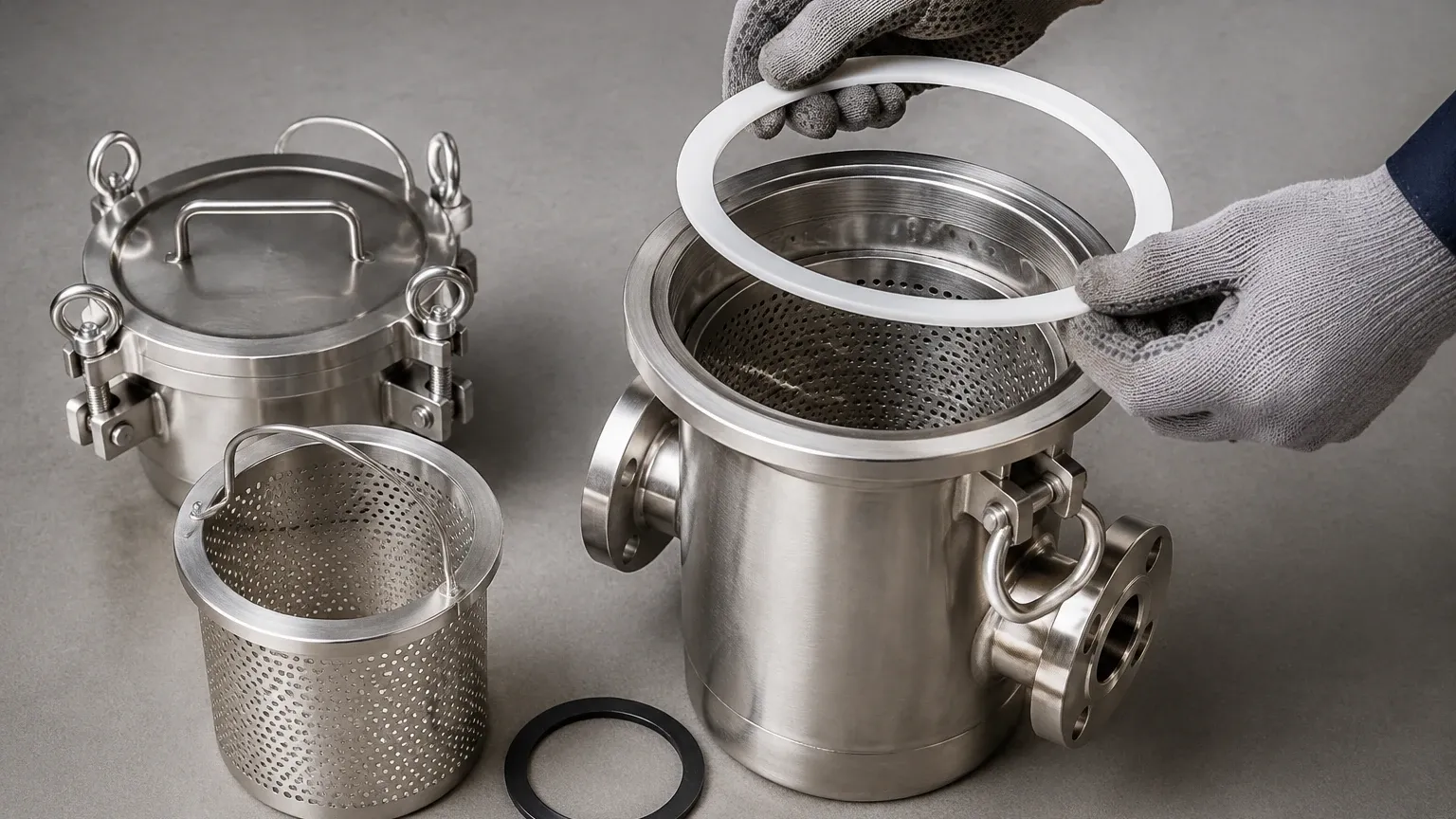
In industrial filtration systems, the integrity of a basket strainer is only as reliable as its weakest seal. While the stainless steel basket and housing are designed for longevity, the gaskets and O-rings are sacrificial components that require periodic inspection and replacement. A basket strainer gasket replacement is a critical maintenance task that ensures system pressure is maintained, prevents hazardous leaks, and eliminates the risk of fluid bypassing the filtration element.
For engineers and maintenance managers, understanding the technical nuances of gasket selection and installation is essential for optimizing the service life of Strainers & Baskets. This guide provides a detailed technical overview of the replacement process, material considerations, and engineering best practices to ensure a leak-free seal in demanding industrial environments.
The Critical Function of Sealing in Basket Strainers
Basket strainers operate by intercepting solids in a liquid stream. The fluid enters the housing, passes through a perforated or mesh-lined basket, and exits through the outlet. To ensure that 100% of the fluid passes through the basket, a secure seal must exist at two primary points: the cover (to prevent external leakage) and the basket seat (to prevent internal bypassing).
When a gasket fails, the consequences range from minor environmental issues to catastrophic pump failure. External leaks can lead to safety hazards, especially when handling corrosive chemicals or high-temperature fluids. Internal bypass, often caused by a degraded basket seat gasket, allows particulate matter to flow downstream, potentially damaging precision equipment like flow meters, spray nozzles, and heat exchangers. Therefore, basket strainer gasket replacement should be treated as a proactive engineering requirement rather than a reactive repair.
Identifying the Need for Gasket Replacement
Determining when to replace a gasket involves both scheduled maintenance and real-time observation. In many high-pressure or high-temperature applications, gaskets should be replaced every time the strainer cover is opened for basket cleaning, as the seal may have taken a "compression set" and will not reseal effectively.
Key indicators that a replacement is necessary include:
* Visible Leakage: Any sign of fluid weeping from the cover flange indicates the gasket has lost its elasticity or has been compromised by pressure spikes.
* Hardening or Brittleness: Over time, thermal exposure can cause elastomeric materials to lose their plasticizers, leading to a hard, brittle texture that cracks under pressure.
* Chemical Swelling: If the gasket material is incompatible with the process fluid, it may swell, soften, or disintegrate, leading to a loss of sealing force.
* Permanent Deformation: A gasket that does not return to its original shape after the cover is removed has reached the end of its functional life.
* Pressure Fluctuations: Unexplained drops in downstream pressure may indicate that fluid is bypassing the basket through a failed internal seal.
Engineering Considerations: Material Selection
One of the most common causes of premature gasket failure is improper material selection. When performing a basket strainer gasket replacement, engineers must confirm that the replacement material matches the chemical and thermal demands of the application.
Common Gasket Materials
1. Buna-N (Nitrile): The standard choice for water, oils, and mild chemicals. It offers excellent abrasion resistance but has a limited temperature range (typically up to 250°F/121°C) and poor resistance to ozone and weathering.
2. EPDM (Ethylene Propylene Diene Monomer): Ideal for water treatment, steam, and phosphate-ester based hydraulic fluids. EPDM provides excellent resistance to heat and aging but should never be used with petroleum-based oils or fuels.
3. Viton (FKM): A high-performance fluorocarbon elastomer suitable for high temperatures (up to 400°F/204°C) and a wide range of chemicals, including acids and hydrocarbons. It is the preferred choice for chemical processing and oil and gas applications.
4. PTFE (Teflon): Used for almost all chemical services due to its near-universal chemical inertness. However, PTFE is a plastic rather than an elastomer; it lacks "memory" and may require higher torque or specialized designs (like PTFE-encapsulated O-rings) to maintain a seal.
5. Silicone: Primarily used in food and beverage or pharmaceutical applications due to its high purity and wide temperature range, though it has lower mechanical strength compared to Buna or Viton.
Step-by-Step Guide to Basket Strainer Gasket Replacement
Proper installation is as important as material selection. Following a standardized technical procedure ensures that the new gasket is not damaged during installation and that the housing is properly sealed.
1. System Isolation and Safety
Before attempting any maintenance, the strainer must be isolated from the process flow. Close the upstream and downstream valves and follow all Lockout/Tagout (LOTO) protocols. Relieve the internal pressure using the vent valve or drain plug. Never attempt to open a strainer cover while the unit is under pressure.
2. Cover Removal and Inspection
Loosen the cover bolts or the quick-opening yoke. Carefully lift the cover and set it aside. Remove the old gasket. At this stage, inspect the sealing surfaces (the flange face and the gasket groove) for pits, scratches, or corrosion. Any surface irregularity can provide a leak path that a new gasket may not be able to bridge.
3. Cleaning the Sealing Surfaces
Use a non-abrasive tool to remove any remnants of the old gasket or accumulated debris. For stainless steel strainers, avoid using carbon steel brushes, as they can embed particles that lead to localized corrosion. The surface should be clean, dry, and smooth.
4. Installing the New Gasket
Place the new gasket into the groove or onto the flange face. Ensure it is seated flat and is not twisted. If using an O-ring, a light coating of a compatible lubricant (such as silicone grease) can help hold the seal in place and prevent it from being pinched during cover reassembly. Ensure the lubricant is compatible with both the gasket material and the process fluid.
5. Reassembling and Torquing
Lower the cover back onto the housing. Reinstall the bolts and tighten them by hand. To ensure even compression, use a calibrated torque wrench and follow a star pattern (cross-bolting). Tighten the bolts in increments (e.g., 30%, 60%, and then 100% of the target torque). Over-tightening can crush the gasket and cause it to extrude, while under-tightening leads to leaks.
6. Pressure Testing
Slowly open the inlet valve to pressurize the housing. Check for leaks around the cover. Once pressurized, open the vent valve to bleed off any trapped air, then close it and open the downstream valve to return the unit to service.
Common Risks and Troubleshooting
Even with new components, sealing issues can arise. Understanding the root causes of these failures helps in optimizing future maintenance cycles.
* Gasket Pinching: This often occurs with O-ring seals if the cover is misaligned during closure. A pinched O-ring will fail immediately upon pressurization.
* Compression Set: If a gasket is left under high pressure and temperature for an extended period, it may lose its ability to rebound. This is why many industrial protocols mandate gasket replacement every time the cover is disturbed.
* Galvanic Corrosion: In some cases, the gasket material or the trapped moisture behind it can facilitate corrosion on the flange face. Using high-quality stainless steel housings from manufacturers like Kaifil significantly reduces this risk.
* Thermal Cycling: Systems that undergo frequent temperature changes may experience bolt loosening due to the different expansion rates of the metal and the gasket. Periodic torque checks are recommended for such applications.
Customization and OEM Solutions
Not all industrial applications can be served by standard off-the-shelf gaskets. High-pressure hydraulic systems, cryogenic processing, and highly corrosive chemical lines often require custom sealing solutions. As a professional manufacturer, Kaifil provides specialized support for custom filtration requirements, ensuring that every component—from the wire mesh to the sealing interface—is engineered for the specific demands of the environment.
When sourcing Strainers & Baskets, it is vital to confirm the availability of replacement parts. Working with an OEM that understands the relationship between filtration accuracy and housing integrity ensures that your maintenance team has access to the correct gasket profiles and materials required to maintain peak performance.
Conclusion
Basket strainer gasket replacement is a fundamental aspect of industrial maintenance that directly impacts system safety and efficiency. By selecting the correct material, following precise installation procedures, and maintaining a regular inspection schedule, engineers can prevent costly downtime and protect sensitive downstream equipment.
Whether you are managing a chemical processing plant, a food production line, or a water treatment facility, the reliability of your filtration system depends on the quality of its seals. For those seeking high-performance filtration components and technical guidance on maintaining industrial strainers, exploring professional options for Strainers & Baskets is the first step toward achieving long-term operational excellence.
