


Basket Strainer Kitchen Sink Waste
In industrial and high-volume commercial environments, the basket strainer kitchen sink waste serves as a critical interface between primary processing activities and the wastewater management system. Unlike residential components designed for light domestic use, industrial-grade strainers must withstand rigorous cleaning protocols, corrosive chemical exposure, and high debris loads without compromising flow rates or structural integrity. For engineers and facility managers, selecting the correct basket strainer is not merely a matter of fitment but a strategic decision impacting the longevity of the plumbing infrastructure and the efficiency of downstream filtration processes.
As a specialized manufacturer of stainless steel filtration solutions, Kaifil emphasizes the technical parameters that define high-performance Strainers & Baskets. Understanding the engineering behind these components is essential for procurement teams tasked with ensuring operational continuity in food processing, pharmaceutical labs, and commercial hospitality sectors.
The Engineering Fundamentals of Basket Strainer Systems
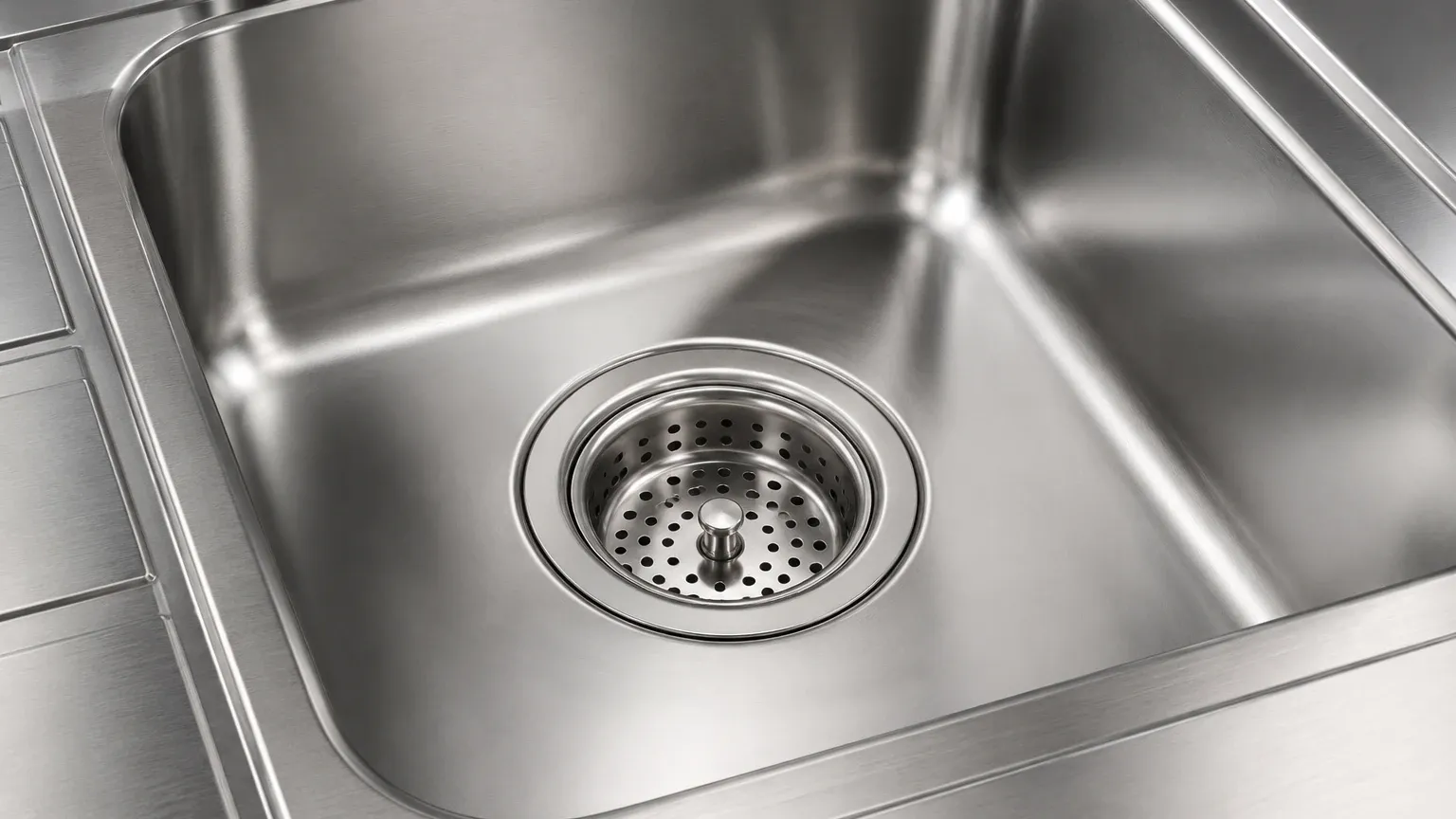
A basket strainer kitchen sink waste assembly consists of several integrated components: the strainer body, the removable basket, the sealing mechanism (stopper), and the flange. In a B2B context, the performance of these parts is measured by material grade, filtration precision, and hydraulic efficiency.
Material Selection and Corrosion Resistance
In industrial settings, the standard material is stainless steel, typically Grade 304 or Grade 316. Grade 304 offers excellent resistance to common food acids and moisture, making it suitable for most commercial kitchen applications. However, in environments involving high salinity or aggressive chemical cleaners—common in pharmaceutical or specialized chemical processing—Grade 316 is preferred due to its molybdenum content, which provides superior resistance to pitting and crevice corrosion.
Filtration Accuracy and Mesh Design
The "basket" element of the waste system is designed to capture solids while allowing fluid to pass through. The filtration accuracy is determined by the perforation size or the mesh count of the basket. For general kitchen waste, perforations typically range from 1.5mm to 3mm. In precision industrial applications where finer particulate must be captured before entering the effluent stream, Kaifil can customize these baskets with fine wire mesh linings to meet specific micron ratings.
Industrial vs. Residential Sink Waste: Key Distinctions
While the basic function remains the same, the engineering requirements for an industrial basket strainer kitchen sink waste are significantly more demanding than those for domestic units. Understanding these differences is vital for engineers specifying components for heavy-duty facilities.
1. Durability and Gauge Thickness: Residential strainers often utilize thin-gauge metal or plastic components that can warp under high-temperature water or mechanical stress. Industrial versions use heavy-gauge stainless steel (often 18 or 20 gauge) to ensure the flange and body remain seated and leak-proof under constant use.
2. Sealing Mechanisms: High-traffic sinks require robust sealing. While domestic units may use simple rubber washers, industrial assemblies often incorporate high-performance elastomers like EPDM or Silicone, which maintain their elasticity and sealing properties despite exposure to fats, oils, and greases (FOG) and high-temperature dishwashing cycles.
3. Flow Dynamics: Industrial sinks often handle higher volumes of water. The internal geometry of the strainer body must be optimized to prevent vortexing and ensure rapid drainage, even when the basket is partially filled with debris.
Evaluation Criteria for Procurement and Specification
When selecting a basket strainer kitchen sink waste for a large-scale project, technical professionals should evaluate the following criteria to ensure the component meets the application's specific demands:
Dimensional Compatibility
Standardization is key in plumbing, but industrial sinks may feature non-standard openings. While the 3.5-inch (90mm) opening is common, deep-draw sinks or specialized processing vats may require custom flange diameters. Engineers must confirm the thread type (e.g., BSP or NPT) for the tailpiece connection to ensure compatibility with existing piping systems.
Load Capacity and Debris Volume
The volume of the basket should be proportional to the expected debris load. In a high-volume vegetable prep station, a shallow basket will require frequent emptying, leading to operational delays or, worse, workers removing the basket entirely and allowing solids to enter the drain. Deep-basket designs provide a larger collection area, extending the intervals between manual cleanouts.
Ease of Maintenance
The removable basket must be designed for ergonomic handling. Industrial baskets often feature a center post or a handle that allows for easy removal even when the sink is full of water. Furthermore, the interior surfaces should be electropolished to reduce the adhesion of organic matter, facilitating easier cleaning and sanitization.
Customization and OEM Solutions in Filtration
In many industrial scenarios, off-the-shelf solutions fail to meet the unique challenges of a specific production line. This is where the capability for customized Strainers & Baskets becomes invaluable.
Kaifil provides extensive OEM services, allowing engineers to specify unique parameters such as:
* Custom Perforation Patterns: Tailoring the hole size and spacing to balance flow rate against filtration efficiency.
* Reinforced Structures: Adding support ribs or double-layered mesh for high-pressure applications where standard baskets might collapse.
* Specialized Coatings: Applying PTFE or other non-stick coatings to prevent the buildup of viscous substances.
* Integrated Sensors: For advanced facilities, strainers can be designed to accommodate sensors that monitor flow rates or indicate when a basket is reaching capacity.
Installation and Long-Term Maintenance Protocols
The reliability of a basket strainer kitchen sink waste is heavily dependent on correct installation and a rigorous maintenance schedule. Even the highest quality stainless steel component can fail if improperly integrated into the system.
Installation Best Practices
* Torque Specifications: Over-tightening the locknut can deform the sink deck or damage the gaskets, while under-tightening leads to slow leaks. Using calibrated tools ensures a consistent seal.
* Sealant Selection: While plumber's putty is common in residential work, industrial applications often require high-grade silicone sealants that are resistant to the specific chemicals used in the facility's cleaning protocols.
* Alignment: Ensuring the tailpiece is perfectly aligned with the P-trap prevents stress on the strainer body, which can lead to premature fatigue and cracking.
Maintenance for Longevity
* Daily Inspection: Baskets should be inspected for signs of mechanical wear, such as loose handles or frayed mesh.
* Chemical Compatibility Check: Facility managers must ensure that the caustic cleaners used for drain maintenance do not exceed the corrosion resistance limits of the strainer's specific stainless steel grade.
* Gasket Replacement: Seals should be treated as consumables. A proactive replacement cycle (e.g., every 12-24 months) prevents the risk of water damage to the surrounding infrastructure.
Total Cost of Ownership (TCO) Considerations
In B2B procurement, the initial purchase price of a basket strainer kitchen sink waste is often a small fraction of its total cost of ownership. A low-cost, low-quality strainer can lead to significant expenses, including:
* Plumbing Repairs: Leaks caused by failed seals or corroded bodies can damage flooring and sub-structures.
* Operational Downtime: If a strainer fails or clogs frequently, it can halt production in food processing or laboratory environments.
* Downstream Damage: If the basket fails to capture solids, these materials can clog grease traps, damage pumps, or lead to fines for non-compliant wastewater discharge.
By investing in high-quality, precision-engineered stainless steel strainers, organizations reduce these risks and ensure a more predictable and cost-effective maintenance lifecycle.
Conclusion: Selecting the Right Partner for Filtration Excellence
The basket strainer kitchen sink waste is a small but vital component in the complex ecosystem of industrial fluid management. From the choice of 316 stainless steel for chemical resistance to the customization of mesh sizes for specific filtration needs, every engineering detail matters.
For technical professionals seeking reliable, durable, and high-performance filtration components, partnering with a manufacturer that understands these nuances is essential. Kaifil’s expertise in producing custom stainless steel Strainers & Baskets ensures that your facility’s drainage and filtration systems are built to withstand the most demanding industrial environments. By prioritizing material quality, engineering precision, and application-specific design, you can optimize your operations and protect your infrastructure for the long term.
