


Basket Strainer Upvc
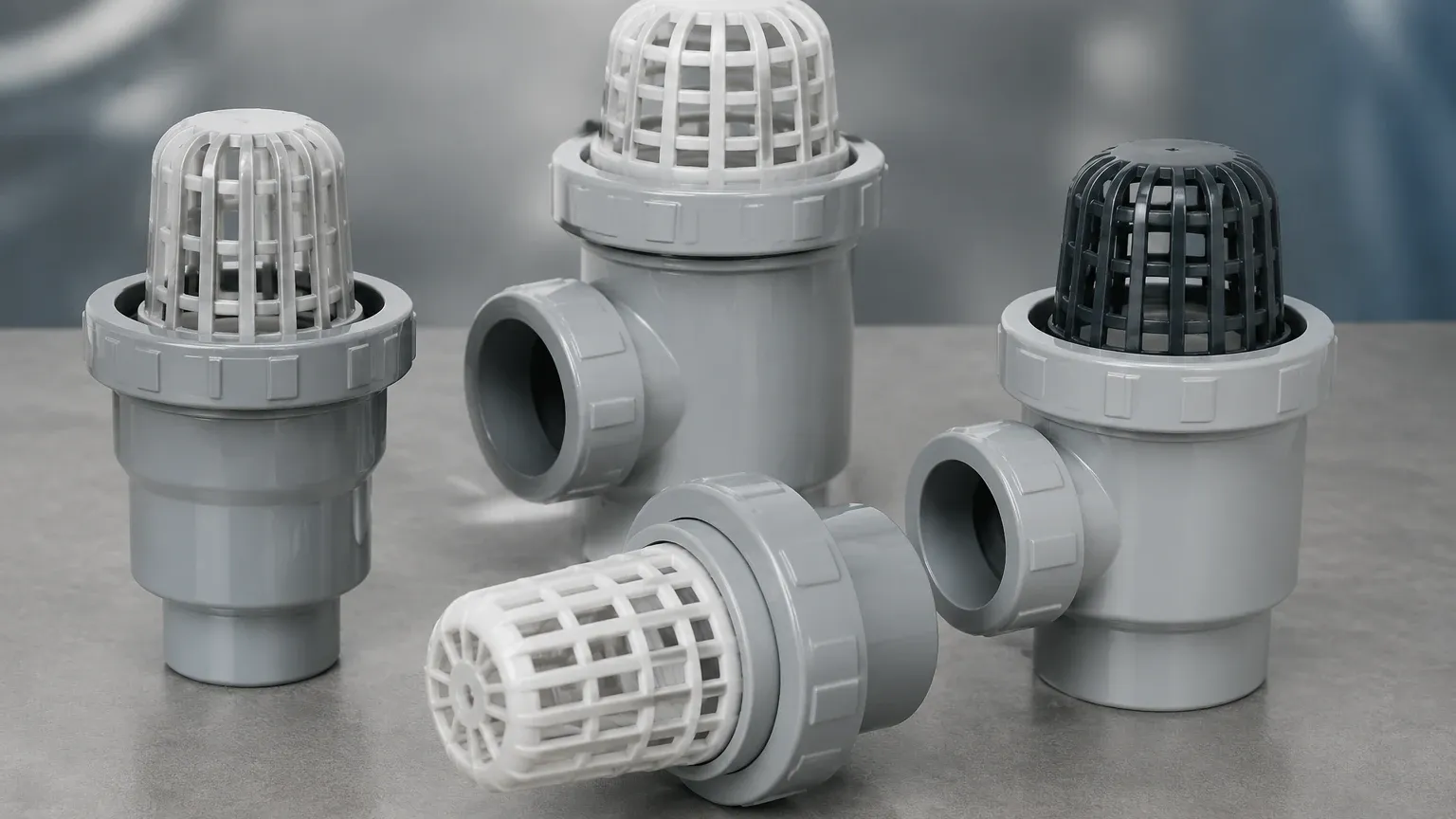
In industrial fluid handling systems, the protection of downstream equipment—such as pumps, valves, and flow meters—is a critical engineering priority. The basket strainer upvc (Unplasticized Polyvinyl Chloride) serves as a specialized solution for removing large particulates and debris from corrosive or high-purity fluid streams. While metallic strainers are common in high-pressure or high-temperature environments, UPVC variants are selected for their specific chemical inertness and cost-effectiveness in low-to-medium temperature applications.
Understanding the technical nuances of a basket strainer upvc requires looking beyond the housing material. The performance of these units is fundamentally tied to the internal basket design, the filtration area, and the chemical compatibility of the seals. For engineers and procurement teams, selecting the right strainer involves balancing hydraulic efficiency with the mechanical limits of the thermoplastic housing.
Understanding UPVC in Industrial Filtration
UPVC is a rigid, unplasticized polymer known for its excellent resistance to a wide range of chemicals, including acids, alkalis, and salts. Unlike standard PVC, which contains plasticizers to increase flexibility, UPVC is engineered for structural rigidity and durability in industrial piping systems.
In the context of Strainers & Baskets, the use of UPVC for the strainer body provides several advantages:
* Corrosion Resistance: Unlike carbon steel or even some grades of stainless steel, UPVC does not rust or pit when exposed to brine, seawater, or aggressive chemical solutions.
* Weight Efficiency: UPVC strainers are significantly lighter than their metallic counterparts, simplifying installation and reducing the need for heavy-duty support structures in thermoplastic piping systems.
* Non-Conductivity: As a non-conductive material, UPVC is immune to electrolytic or galvanic corrosion, which is a common failure mode in mixed-metal systems.
However, the use of a basket strainer upvc is governed by strict temperature and pressure limits. Generally, UPVC systems are limited to operating temperatures below 60°C (140°F). As temperatures rise, the pressure-bearing capacity of the material decreases significantly, a factor that must be accounted for during the system design phase.
Technical Design: Housing vs. Filtration Media
A basket strainer upvc consists of two primary components: the outer housing (body and cover) and the internal basket. While the housing is thermoplastic, the internal basket is the component that performs the actual work of filtration.
The Internal Basket
In many high-performance UPVC strainers, the internal basket is constructed from stainless steel mesh or perforated metal. This hybrid approach combines the chemical resistance of the UPVC body with the mechanical strength and precision of a metal filter. Manufacturers like Kaifil specialize in providing these precision Strainers & Baskets, ensuring that the filtration media can withstand the differential pressure (Delta P) that occurs as debris accumulates.
Baskets are typically available in two configurations:
1. Perforated Baskets: Used for coarse filtration (typically 1/32" to 1/4" hole sizes). These are robust and easy to clean.
2. Mesh-Lined Baskets: Used for finer filtration (down to 40 microns or less). A stainless steel mesh is supported by a perforated metal backing to prevent the fine wire from collapsing under pressure.
Sealing and Gaskets
The integrity of a basket strainer upvc depends on the seals between the body and the removable cover. Common seal materials include EPDM (Ethylene Propylene Diene Monomer) for general water and dilute acid applications, or FPM/FKM (Viton) for systems involving oils or more aggressive chemicals. Ensuring the seal material is compatible with the process fluid is as important as the housing material itself.
Operational Parameters: Pressure and Temperature
When specifying a basket strainer upvc, engineers must refer to the pressure-temperature derating curves. A strainer rated for 150 PSI (PN10) at 20°C will have a significantly lower pressure rating at 50°C.
Pressure Drop (Delta P)
The "Clean Pressure Drop" is the resistance to flow caused by the strainer when the basket is empty. This is influenced by the internal geometry of the UPVC body and the open area of the basket. As debris is captured, the pressure drop increases.
Engineering best practices suggest that a basket strainer should be cleaned when the pressure drop reaches 5-8 PSI above the clean starting point. If the pressure drop is allowed to exceed 15-20 PSI, the internal basket—even if made of stainless steel—may deform or rupture, allowing bypass of contaminants and potentially damaging downstream equipment.
Flow Velocity
To prevent water hammer and excessive wear on the UPVC walls, flow velocities in plastic piping should generally be kept below 5 feet per second (1.5 meters per second) for suction lines and 8 feet per second (2.4 meters per second) for discharge lines. High-velocity flow can also cause turbulence within the strainer body, reducing the efficiency of particle settlement.
Selection Criteria for Industrial Applications
Choosing the correct basket strainer upvc involves more than matching the pipe size. Engineers should confirm the following criteria before procurement:
1. Open Area Ratio (OAR): This is the ratio of the total open area of the basket holes to the internal cross-sectional area of the inlet pipe. A high-quality industrial strainer should have an OAR of at least 6:1. A higher ratio means longer run times between cleanings and a lower initial pressure drop.
2. Connection Type: UPVC strainers are commonly available with socket-weld, threaded, or flanged connections. Flanged connections are preferred in industrial settings for ease of maintenance and removal.
3. Filtration Accuracy: Define the "micron rating" or mesh size required. Selecting a mesh that is too fine will lead to frequent clogging, while a mesh that is too coarse will fail to protect downstream components.
4. Vent and Drain Ports: Industrial-grade UPVC strainers should include a vent plug on the cover to bleed air before startup and a drain plug at the bottom to allow for safe liquid removal before opening the unit for cleaning.
Maintenance and Basket Replacement Cycles
The primary advantage of a basket-style strainer over a Y-strainer is the ease of maintenance and the larger holding capacity for debris. However, the longevity of a basket strainer upvc is dependent on proper handling.
Cleaning Procedures
During maintenance, the system must be depressurized. The UPVC cover is typically held in place by a threaded union nut or a series of bolts. It is vital not to over-tighten these fasteners upon reassembly, as over-torquing can crack the thermoplastic flanges or strip the threads. Hand-tightening plus a quarter turn with a strap wrench is often sufficient for union-style covers.
Inspecting the Basket
The internal basket should be inspected for signs of "blinding" (permanent clogging of the mesh) or mechanical fatigue. Because the basket is a wear item, facility managers should maintain a stock of replacement Strainers & Baskets to minimize downtime. If the basket shows signs of corrosion—which can happen if the wrong grade of stainless steel was used for a specific chemical—it should be replaced with a higher-grade alloy like 316L or Hastelloy.
Comparing UPVC and Stainless Steel Strainers
While this guide focuses on UPVC, it is helpful to understand when a transition to a full stainless steel system is necessary.
* Temperature: If the process fluid exceeds 60°C, UPVC is no longer viable, and stainless steel becomes the standard.
* Pressure: For high-pressure hydraulic systems or steam applications, metallic strainers are required to meet safety factors.
* Mechanical Impact: In environments where the exterior of the piping is subject to physical impact or heavy vibration, the brittle nature of UPVC (especially at lower temperatures) may pose a risk compared to the ductility of stainless steel.
In many modern facilities, a "best of both worlds" approach is taken: using a basket strainer upvc for its external chemical resistance while utilizing high-precision stainless steel internal components from specialized manufacturers like Kaifil to ensure filtration reliability.
Conclusion: Ensuring System Integrity
The basket strainer upvc is an essential component for fluid handling in water treatment, chemical processing, and aquaculture. By understanding the material limits of UPVC and focusing on the quality of the internal filtration media, engineers can design systems that are both durable and efficient.
When specifying these units, always prioritize the Open Area Ratio and the compatibility of the O-rings. Furthermore, ensure that the internal baskets are sourced from manufacturers capable of delivering the precision and structural integrity required for industrial service. For those seeking high-performance filtration components, exploring professional Strainers & Baskets options is the first step toward optimizing process uptime and protecting valuable industrial assets.
