


Basket Strainer Vent
In industrial fluid handling systems, the efficiency of filtration components is often determined not just by the primary media, but by the auxiliary features that ensure operational safety and process stability. Among these, the basket strainer vent serves as a critical engineering detail. While the primary function of Strainers & Baskets is to remove particulate matter from liquid streams, the management of entrained air and gases within the strainer housing is paramount to protecting downstream equipment and maintaining consistent flow rates.
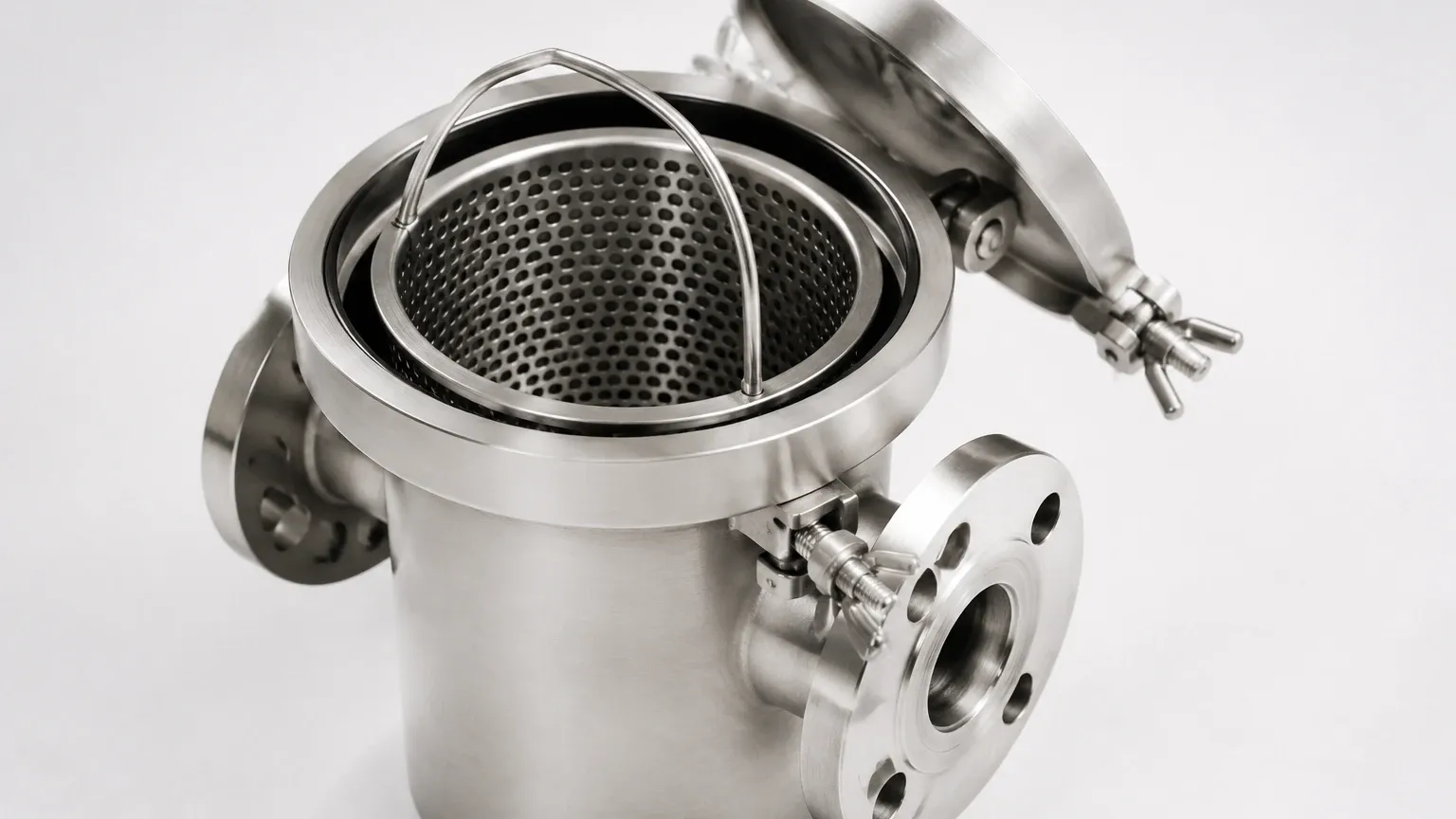
A basket strainer vent is a designated port, typically located at the highest point of the strainer cover or housing, designed to release trapped air or gas. This article examines the technical necessity of venting, the engineering considerations for vent selection, and the operational impact of proper gas management in industrial filtration.
The Engineering Necessity of Venting in Filtration Systems
Entrained air is an inherent challenge in many piping systems, introduced during initial filling, through pump suction leaks, or as a byproduct of chemical reactions within the fluid. When fluid enters a larger volume, such as a strainer housing, the velocity decreases, allowing air bubbles to rise and accumulate at the top of the chamber. Without a functional basket strainer vent, this accumulated air can lead to several technical complications.
Prevention of Air Binding
As air collects in the upper portion of the strainer, it creates an air pocket that reduces the effective filtration area. This phenomenon, known as air binding, forces the fluid through a smaller section of the basket, increasing the local velocity and the differential pressure across the mesh. This can lead to premature clogging and potential deformation of the filter element due to excessive stress.
Protection Against Water Hammer
Air is compressible, whereas liquids are essentially incompressible. When a pump starts or a valve closes rapidly, the presence of large air pockets can cause significant pressure surges, commonly referred to as water hammer. These surges can damage the internal components of the strainer, blow out gaskets, or even rupture piping. A vent allows for the controlled removal of this air, ensuring the system remains "solid" with liquid.
Pump Performance and Cavitation
If air pockets are allowed to pass through the strainer and enter the pump suction line, they can cause a loss of prime or lead to cavitation. Cavitation occurs when vapor bubbles collapse against pump impellers, causing pitting and mechanical failure. Utilizing a basket strainer vent ensures that only liquid reaches the pump, preserving the Net Positive Suction Head (NPSH) requirements.
Technical Design and Component Integration
The integration of a vent into the housing of Strainers & Baskets requires careful consideration of the application's pressure, temperature, and fluid characteristics. Engineers must choose between manual and automatic venting solutions based on the process requirements.
Manual Venting (Petcocks and Ball Valves)
Manual vents are the most common configuration for batch processes or systems that are infrequently started. A small threaded port (typically 1/4" to 1/2" NPT) is machined into the cover. A needle valve or small ball valve is installed, allowing operators to manually bleed air during the priming phase.
* Pros: Simple, cost-effective, and highly reliable.
* Cons: Requires manual intervention; if forgotten, air remains trapped.
Automatic Air Release Valves
For continuous processes where air ingress is a constant risk, automatic air release valves are integrated into the basket strainer vent port. These valves utilize a float mechanism. When air is present, the float drops, opening the orifice to exhaust the gas. As liquid fills the chamber, the float rises and seals the orifice.
* Pros: Continuous operation without operator oversight; prevents air-related pressure spikes.
* Cons: Higher initial cost; requires maintenance to ensure the float mechanism does not scale or clog.
Connection Types and Standards
Vent ports are typically designed to meet international standards such as NPT (National Pipe Thread), BSPT (British Standard Pipe Taper), or flanged connections for high-pressure or hazardous chemical applications. In stainless steel filtration housings, the vent port is usually welded or machined directly into the cast or fabricated cover to ensure a leak-proof seal.
Operational Safety and Maintenance Considerations
From a maintenance perspective, the basket strainer vent is not merely an air release point; it is a vital safety component used during the servicing of the filter element.
Safe Depressurization
Before a technician can open a strainer cover to clean or replace the basket, the internal pressure must be equalized with the atmospheric pressure. Opening the vent valve is the first step in the lockout-tagout (LOTO) procedure for filtration maintenance. It allows the operator to verify that the internal pressure has been relieved and that no hazardous gases are trapped under pressure.
Priming After Servicing
Once the basket is cleaned and the cover is reinstalled, the housing is full of air. During the restart, the basket strainer vent must remain open while the inlet valve is slowly cracked. This allows the air to escape as the fluid fills the housing. Once a steady stream of liquid exits the vent, the valve is closed, indicating the strainer is fully primed and ready for operation.
Monitoring for Leaks
The vent port is a common site for potential leaks, particularly if the valve is cycled frequently. Maintenance schedules should include an inspection of the vent valve seals and the threaded connection to the housing. In corrosive environments, such as chemical processing or seawater filtration, the use of 316L stainless steel for the vent components is recommended to prevent galling and stress corrosion cracking.
Customization and Material Selection in Industrial Applications
Industrial filtration requirements vary significantly between sectors, and the design of the basket strainer vent must reflect these differences. As a manufacturer specializing in custom stainless steel filtration, Kaifil emphasizes material compatibility and precision engineering in these auxiliary components.
Chemical and Pharmaceutical Applications
In these industries, fluid purity and corrosion resistance are non-negotiable. Venting systems must be designed with high-grade stainless steel (316L or higher alloys) and may require sanitary fittings (Tri-Clamp) to ensure there are no dead legs where bacteria or contaminants can accumulate. The vent must also be capable of being piped to a scrubber or flare header if the gases being released are toxic or flammable.
Food and Beverage Processing
For food-grade applications, the vent must be easily cleanable and compliant with FDA or 3-A standards. This often involves polished internal surfaces and the use of food-safe elastomers for the vent valve seals. The ability to completely evacuate air is crucial here to prevent oxidation of the product, which can affect flavor and shelf life.
High-Pressure Hydraulic Systems
In hydraulic applications, the basket strainer vent must be rated for the maximum system pressure, which can exceed several hundred PSI. Heavy-duty forged valves are typically used, and the vent port may include a snubbing device to prevent rapid pressure discharge that could injure personnel.
Troubleshooting and Performance Optimization
Engineers often encounter issues where the filtration system underperforms despite the basket being clean. In many cases, the root cause is related to the venting strategy.
1. Symptom: High Differential Pressure with a Clean Basket.
* Cause: A large air pocket is trapped in the top of the housing, reducing the effective mesh area.
* Solution: Open the basket strainer vent to exhaust the air and fully prime the housing.
2. Symptom: Frequent Gasket Failure on the Cover.
* Cause: Water hammer caused by air pockets during pump start-up.
* Solution: Install an automatic air release valve on the vent port to ensure continuous air removal.
3. Symptom: Fluid Bypass or Incomplete Filtration.
* Cause: Turbulence at the top of the housing caused by trapped gas, which can interfere with the seating of the basket.
* Solution: Ensure the vent is positioned at the absolute highest point of the cover to prevent gas traps.
Procurement and Specification Guidelines
When specifying Strainers & Baskets for a new project or as a replacement in an existing line, purchasing teams and engineers should confirm the following details regarding the venting system:
* Vent Port Size: Ensure the port is large enough to handle the volume of air expected during priming without excessive delay.
* Material Compatibility: The vent valve and fittings must match the corrosion resistance of the strainer housing and the filter basket.
* Pressure Rating: The vent assembly must meet or exceed the design pressure of the main vessel.
* Orientation: Confirm that the vent is located on the cover or the highest part of the body, depending on the installation orientation (horizontal vs. vertical piping).
* Environmental Regulations: If the process fluid is hazardous, the vent must be configured for connection to a recovery system rather than venting to the atmosphere.
Conclusion
The basket strainer vent is a small but indispensable component in the design of industrial filtration systems. By managing entrained air and facilitating safe maintenance procedures, it ensures the longevity of the filter media and the stability of the entire fluid circuit. Whether through simple manual valves or sophisticated automatic release systems, proper venting is a hallmark of a well-engineered filtration solution.
For engineers and procurement professionals, understanding the nuances of gas management within Strainers & Baskets is essential for optimizing system performance and reducing the total cost of ownership. Selecting a manufacturer with the technical expertise to customize these features ensures that the filtration system meets the specific demands of the application, from chemical compatibility to high-pressure safety standards.
