


Chain Strainers
In the landscape of industrial fluid handling and mechanical processing, the term "chain strainers" often occupies a specialized niche. While frequently associated with mechanical tensioning tools, in the context of advanced industrial filtration and fluid management, these components represent a critical intersection between mechanical drive systems and debris removal. For engineers and procurement specialists managing large-scale industrial operations—ranging from food processing lines to heavy-duty chemical wash systems—understanding how strainers integrate with chain-driven machinery is essential for maintaining system integrity and operational uptime.
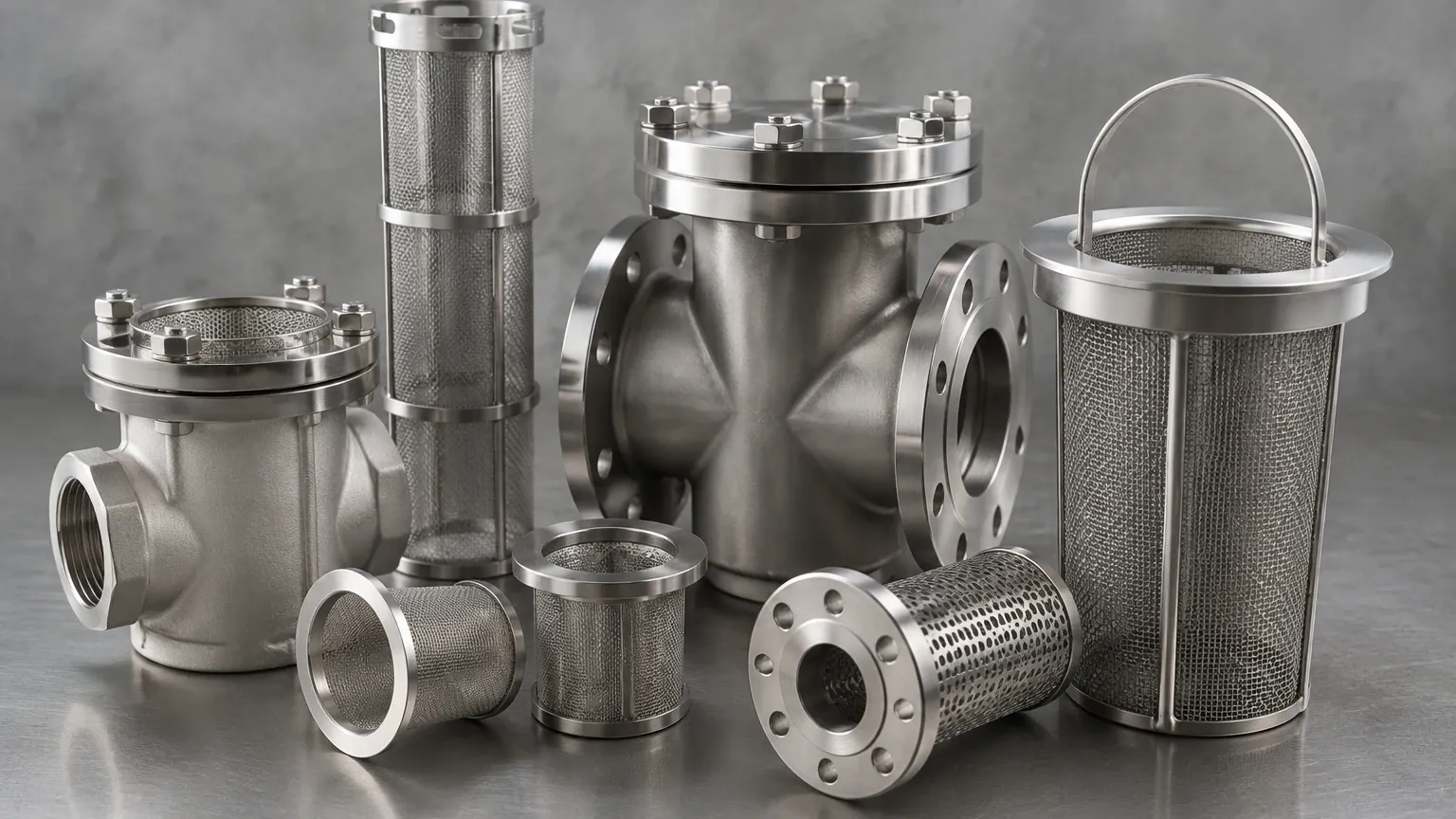
Industrial filtration requires a deep understanding of fluid dynamics, material science, and mechanical engineering. When selecting Strainers & Baskets for environments that utilize chain conveyors or chain-driven self-cleaning mechanisms, the technical specifications must account for high vibration, varying flow velocities, and the potential for mechanical interference. This guide explores the technical nuances of these systems, focusing on engineering considerations, material selection, and performance optimization.
The Role of Filtration in Chain-Driven Industrial Systems
Chain-driven systems are ubiquitous in industrial environments where heavy loads or synchronized movement are required. In many of these applications, such as industrial parts washers, food processing conveyors, or wastewater treatment plants, the fluids circulating through the system often carry significant particulate loads.
Chain strainers, in a filtration context, typically refer to one of two configurations:
1. Integrated Process Strainers: Filters located within a system that utilizes chain conveyors, designed to capture debris (such as metal shavings, food waste, or scale) that could otherwise foul the chain drive or damage downstream pumps.
2. Mechanical Self-Cleaning Strainers: Filtration units that utilize a chain-and-sprocket drive mechanism to move a cleaning blade or scraper across the surface of a stainless steel filter element. This design allows for continuous filtration without interrupting the flow for manual cleaning.
For engineers, the primary goal is to ensure that the filtration media can withstand the mechanical stresses of the environment while providing the precise micron rating required for the application. Failure to implement adequate straining can lead to accelerated wear on chain links, sprockets, and bearings, ultimately resulting in costly unscheduled downtime.
Engineering Considerations for High-Performance Strainers
When designing or selecting strainers for industrial applications, several engineering parameters must be evaluated to ensure the component performs reliably under pressure.
Material Compatibility and Durability
Stainless steel is the industry standard for industrial strainers due to its superior corrosion resistance and mechanical strength. Depending on the chemical composition of the fluid and the operating temperature, different grades are utilized:
* Type 304 Stainless Steel: Suitable for general-purpose applications, providing excellent resistance to oxidation and many industrial chemicals.
* Type 316 Stainless Steel: Preferred for marine environments, pharmaceutical applications, and high-chloride processes due to the addition of molybdenum, which enhances resistance to pitting and crevice corrosion.
In systems where chain strainers are subject to constant mechanical movement, the fatigue strength of the material is paramount. High-quality welding techniques, such as TIG (Tungsten Inert Gas) welding, ensure that the mesh-to-frame bonds remain intact despite the constant vibration inherent in chain-driven machinery.
Filtration Media and Mesh Selection
The choice of filtration media—whether perforated plate, woven wire mesh, or wedge wire—depends on the nature of the contaminants and the required flow rate.
* Woven Wire Mesh: Offers high open area and precise filtration ratings, making it ideal for fine particulate removal.
* Perforated Metal: Provides a robust structural foundation, often used as a support basket for finer mesh liners or as a primary strainer for large debris.
* Wedge Wire: Known for its non-clogging characteristics and high mechanical strength, wedge wire is frequently used in self-cleaning chain-driven strainers where a scraper must move across the surface.
Technical Specifications: Flow Dynamics and Pressure Drop
A critical factor in the selection of Strainers & Baskets is the calculation of the "clean pressure drop." Every filtration element introduces a degree of resistance to the flow. If the pressure drop is too high, it can lead to cavitation in pumps or reduced system efficiency.
Engineers must consider the "Open Area Ratio" (OAR). A standard guideline for industrial strainers is an OAR of at least 4:1 relative to the internal pipe cross-sectional area. This ensures that even as the strainer begins to collect debris, the system can maintain a functional flow rate before requiring a cleaning cycle. In chain-driven self-cleaning systems, the frequency of the cleaning cycle is often tied to a differential pressure sensor that triggers the chain mechanism when a specific pressure threshold is reached.
Addressing Common Challenges in Industrial Filtration
Operating filtration equipment in demanding environments presents several challenges that must be addressed during the specification phase.
Managing High Viscosity Fluids
In industries like oil processing or heavy chemical manufacturing, fluids may have high viscosity. This increases the drag on the filtration media and requires more robust mechanical support. For chain strainers used in these contexts, the drive mechanism must be high-torque to ensure the cleaning scrapers can effectively move through the viscous medium without stalling the chain drive.
Preventing Bypass and Leakage
In precision applications, such as pharmaceutical or fine chemical processing, even a small amount of bypass can compromise the entire batch. This requires the use of high-quality gaskets and precision-machined seating surfaces. When replacing baskets or cartridges in a strainer housing, ensuring a perfect seal is critical. Custom-engineered strainers often feature reinforced flanges to prevent warping under high-pressure conditions.
Dealing with Abrasive Contaminants
If the fluid contains abrasive particles like sand or metal grit, the filtration media will experience erosive wear. In these cases, surface hardening treatments or the use of specialized alloys may be necessary to extend the service life of the chain strainers. Regularly inspecting the mesh for signs of thinning or wire breakage is a vital part of industrial maintenance.
Maintenance and Operational Longevity
The total cost of ownership (TCO) for industrial filtration is heavily influenced by maintenance requirements and the lifespan of the filter elements.
Cleaning Protocols
For manual strainers, the design should allow for quick removal and cleaning. Features such as swing-bolt covers or quick-release handles can significantly reduce the time required for maintenance. In the case of chain-driven self-cleaning strainers, maintenance focuses on the lubrication of the chain and sprockets, as well as the inspection of the scraper blades for wear.
Replacement Cycles
While stainless steel strainers are designed for long-term use, the mesh elements are eventually subject to wear or irreversible fouling (blinding). Establishing a clear replacement cycle based on differential pressure trends and visual inspections helps prevent catastrophic failure. For OEM applications, having a reliable supplier for custom-sized baskets and mesh inserts is essential for maintaining operational continuity.
Customization: Tailoring Solutions to Application Needs
No two industrial processes are identical, and off-the-shelf filtration solutions often fall short of specific engineering requirements. Customization is a core aspect of modern industrial filtration.
When specifying custom Strainers & Baskets, engineers should confirm the following details with their manufacturer:
* Exact Dimensional Constraints: Ensuring the strainer fits within the existing piping envelope or machine housing.
* Micron Rating Requirements: Balancing the need for fine filtration with the acceptable pressure drop.
* Connection Types: Whether the application requires flanged (ANSI, DIN, JIS), NPT threaded, or sanitary tri-clamp connections.
* Structural Reinforcement: Determining if the basket requires internal or external support cages to withstand high differential pressures.
By collaborating closely with a manufacturer that understands both the mechanical and fluid-handling aspects of the application, companies can develop filtration solutions that enhance equipment life and improve product quality.
Conclusion: Selecting the Right Partner for Industrial Filtration
Whether you are integrating chain strainers into a new conveyor-based washing system or seeking to optimize the performance of existing filtration components, technical expertise is the most valuable asset. The complexity of modern industrial processes demands more than just a filter; it requires an engineered solution that considers flow rates, material compatibility, and mechanical durability.
For procurement teams and engineers, the focus should remain on quality and precision. Investing in high-grade stainless steel filtration components reduces the risk of process contamination and equipment damage. By understanding the technical boundaries of mesh selection, pressure dynamics, and mechanical integration, industrial professionals can ensure their systems operate at peak efficiency for years to come.
As industrial standards continue to evolve, particularly in sectors like food safety and environmental protection, the role of robust, high-performance strainers will only become more critical. Ensuring that your filtration partner can provide the necessary OEM support and customized designs is the final step in securing a reliable and cost-effective fluid management strategy.
