


Fine Mesh Strainers
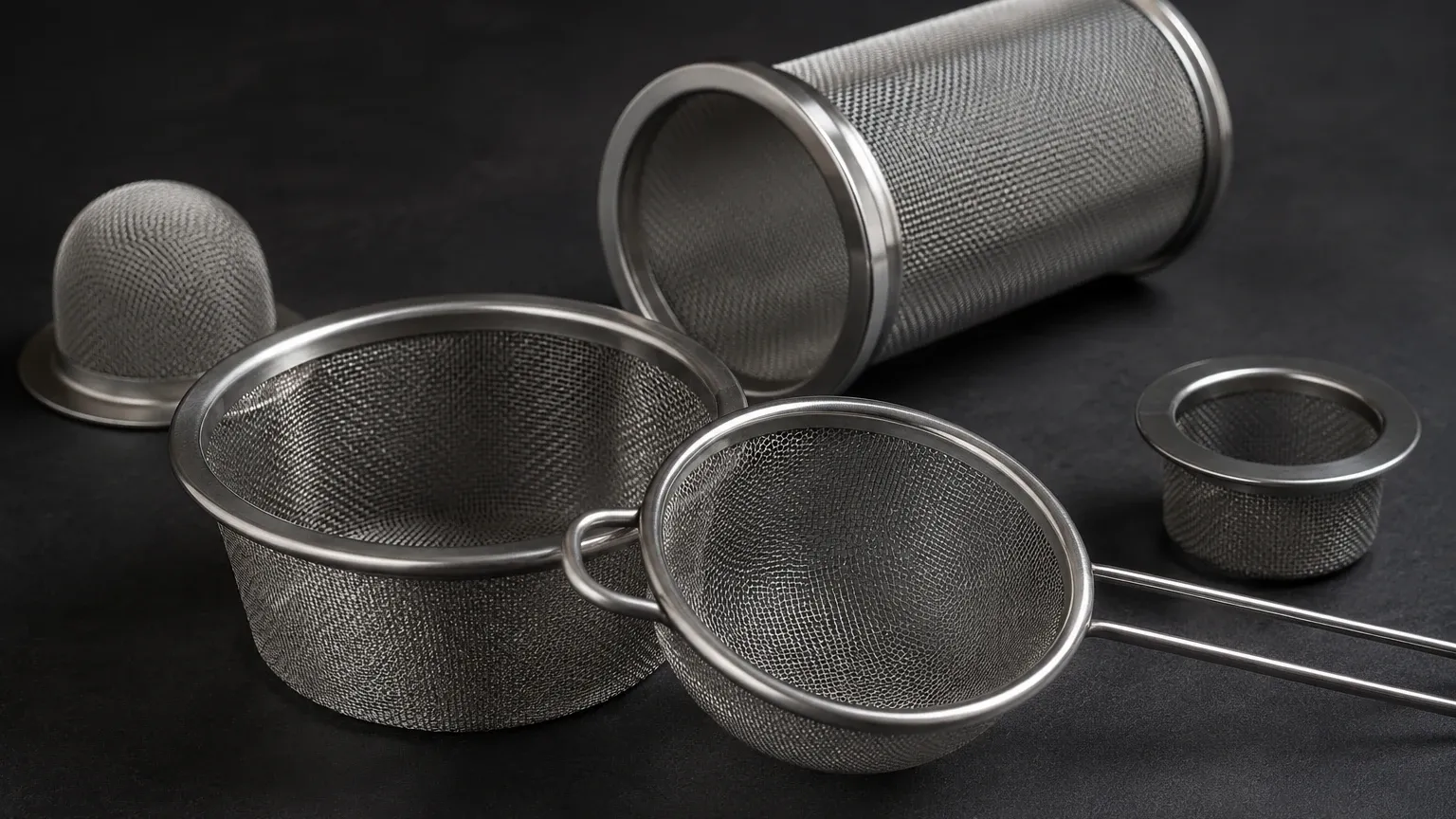
In industrial fluid handling systems, the integrity of downstream equipment and the purity of the final product often depend on the efficiency of primary filtration components. Fine mesh strainers represent a critical category of industrial filtration, designed to capture smaller particulates that standard coarse strainers might allow to pass. Unlike generic strainers used for large debris removal, fine mesh variants are engineered with precision to meet specific micron ratings while maintaining structural integrity under operational pressure.
For engineers and procurement teams, selecting the right Strainers & Baskets involves more than just identifying a mesh size. It requires a comprehensive understanding of fluid dynamics, material compatibility, and the mechanical stresses inherent in high-flow industrial environments. This guide examines the technical specifications, engineering considerations, and application-specific requirements for fine mesh filtration solutions.
Engineering Principles of Fine Mesh Filtration
The performance of fine mesh strainers is defined by the geometry of the weave and the diameter of the wire used. In industrial applications, "fine mesh" typically refers to wire cloth with a high mesh count per linear inch, resulting in smaller aperture sizes. Understanding the relationship between mesh count, wire diameter, and open area is fundamental to predicting how a strainer will behave in a pressurized system.
Mesh Count vs. Micron Rating
Mesh count refers to the number of openings per linear inch. As the mesh count increases, the size of the openings decreases. However, the micron rating—the actual size of the particles the mesh can intercept—is also influenced by the wire diameter. For instance, a 100-mesh screen made with thick wire will have a smaller micron rating and a lower percentage of open area than a 100-mesh screen made with thin wire. Engineers must balance the need for fine filtration (high mesh count) with the need for flow efficiency (high open area).
Weave Types
Fine mesh is often produced using different weaving patterns, each offering distinct advantages:
* Plain Weave: The most common type, where wires cross over and under each other alternately. It provides high precision for general-purpose fine straining.
* Twill Weave: Each shute wire passes successively over two and under two warp wires. This allows for the use of heavier wires in a fine mesh, increasing the mechanical strength of the strainer.
* Dutch Weave: This utilizes different diameters for warp and shute wires, resulting in a dense, firm mesh with very small, curved openings. Dutch weaves are ideal for high-pressure applications where fine filtration and high strength are both required.
Material Selection for Industrial Environments
The longevity of fine mesh strainers is heavily dependent on the material's resistance to corrosion, erosion, and thermal stress. Because fine mesh consists of relatively thin wires, even minor surface corrosion can quickly lead to wire breakage and filtration failure.
Stainless Steel Grades
Stainless steel is the industry standard for fine mesh due to its durability and chemical resistance.
* SS304: Suitable for general industrial applications where moderate corrosion resistance is required. It is commonly used in water treatment and non-acidic chemical processing.
* SS316/316L: The preferred choice for pharmaceutical, food and beverage, and marine environments. The addition of molybdenum provides superior resistance to chlorides and pitting corrosion. SS316L (low carbon) is specifically chosen for components that require welding to prevent carbide precipitation.
* Specialty Alloys: For highly aggressive environments involving concentrated acids or high temperatures, alloys such as Monel, Inconel, or Hastelloy may be necessary to ensure the strainer does not degrade prematurely.
Mechanical Durability
Fine mesh is inherently more fragile than perforated plate or heavy wire mesh. In high-velocity systems, the mesh can suffer from fatigue or displacement. To mitigate this, high-quality industrial strainers often utilize a multi-layer construction. A fine mesh inner layer provides the filtration accuracy, while a coarser, heavy-duty mesh or a perforated metal basket provides the necessary structural support to prevent the fine mesh from collapsing under differential pressure.
Design Considerations for Strainers & Baskets
When integrating fine mesh into Strainers & Baskets, engineers must calculate the impact on the overall system hydraulics. A common mistake in procurement is selecting a mesh that is too fine for the application, leading to excessive pressure drops and frequent maintenance cycles.
Pressure Drop (Delta P)
The introduction of a fine mesh strainer creates resistance to flow. As the mesh becomes finer, the total open area usually decreases, which increases the pressure drop across the strainer. Engineers must ensure that the pump capacity is sufficient to handle the maximum expected pressure drop, especially as the strainer begins to collect debris. A high initial pressure drop limits the "dirt-holding capacity" of the strainer, leading to shorter intervals between cleanings.
Open Area Ratio
The ratio of the total open area of the mesh to the cross-sectional area of the inlet pipe is a critical metric. For fine mesh strainers, a higher ratio (typically 4:1 or higher) is often recommended to compensate for the restricted flow through the small apertures. This is achieved by increasing the surface area of the basket—either by making it longer or using a pleated design to maximize the filtration surface within a compact housing.
Flow Velocity and Particle Loading
High flow velocities can cause "particle migration," where soft contaminants are forced through the mesh openings. Additionally, if the fluid has a high concentration of solids (high particle loading), a fine mesh strainer may clog almost instantly. In such cases, a multi-stage filtration approach is required, using a coarse strainer upstream to remove large debris before the fluid reaches the fine mesh stage.
Applications of Fine Mesh Strainers
Fine mesh filtration is essential in industries where even microscopic contaminants can cause significant operational issues or product quality failures.
Pharmaceutical and Biotechnology
In these sectors, fine mesh strainers are used to ensure the purity of process fluids and to protect sensitive equipment like chromatography columns and high-pressure pumps. The materials must be non-reactive and often require high-polish finishes to prevent bacterial growth and facilitate sterilization (SIP/CIP processes).
Food and Beverage Processing
Fine mesh is used to remove pulp, seeds, or crystalline precipitates from liquids such as juices, syrups, and oils. Compliance with FDA standards is mandatory, making stainless steel the primary material. The strainers must be designed for easy removal and cleaning to maintain hygienic standards.
Chemical and Petrochemical Processing
In chemical manufacturing, fine mesh strainers protect spray nozzles, heat exchangers, and catalysts from particulate fouling. Because these fluids can be highly corrosive or operate at extreme temperatures, the selection of the correct stainless steel grade or specialty alloy is paramount to preventing catastrophic failure.
Hydraulic and Lube Oil Systems
Precision hydraulic components have extremely tight tolerances. Fine mesh strainers are utilized in the reservoirs and return lines of hydraulic systems to remove wear particles and environmental dust, thereby extending the life of valves and actuators.
Maintenance and Operational Longevity
The total cost of ownership for a filtration system is heavily influenced by how the fine mesh strainers are maintained. Because the wires are thin, cleaning processes must be effective yet gentle enough to avoid damaging the mesh structure.
Cleaning Protocols
* Manual Cleaning: Baskets are removed and washed. For fine mesh, high-pressure water jets should be used with caution to avoid deforming the weave.
* Ultrasonic Cleaning: This is often the most effective method for fine mesh, as it uses high-frequency sound waves to dislodge particles trapped deep within the mesh openings without mechanical abrasion.
* Backwashing: Some systems allow for in-situ cleaning by reversing the flow of the fluid. This is effective for removing surface-loaded debris but may be less effective for particles wedged within the mesh pores.
Identifying Wear and Failure
Engineers should implement regular inspections for "blinded" mesh (where pores are permanently blocked) and mechanical damage such as wire fraying or separation from the support basket. A sudden drop in differential pressure often indicates a bypass—meaning the mesh has torn or the seal has failed—allowing unfiltered fluid to pass through.
Customization and OEM Solutions
Standard off-the-shelf strainers often fail to meet the specific nuances of complex industrial systems. Custom-engineered Strainers & Baskets allow for the optimization of every variable, from the specific micron rating to the unique dimensions required for existing housings.
Manufacturers like Kaifil specialize in developing these customized solutions, working closely with engineering teams to select the appropriate wire diameters, weave types, and support structures. Whether it is a pleated cartridge for increased surface area or a heavy-duty reinforced basket for high-viscosity fluids, custom fabrication ensures that the filtration component performs reliably under the specific stresses of the target application.
Conclusion: Selecting the Right Solution
Choosing a fine mesh strainer is a technical decision that impacts the efficiency, safety, and cost-effectiveness of an industrial process. By focusing on the micron requirements, material compatibility, and structural support needs, engineers can select a solution that provides optimal protection for their downstream assets.
Before finalizing a purchase, technical teams should confirm the maximum allowable pressure drop, the expected solids loading, and the cleaning compatibility of the mesh. Partnering with a manufacturer that understands these engineering boundaries ensures that the resulting filtration component will meet the rigorous demands of modern industrial environments.
