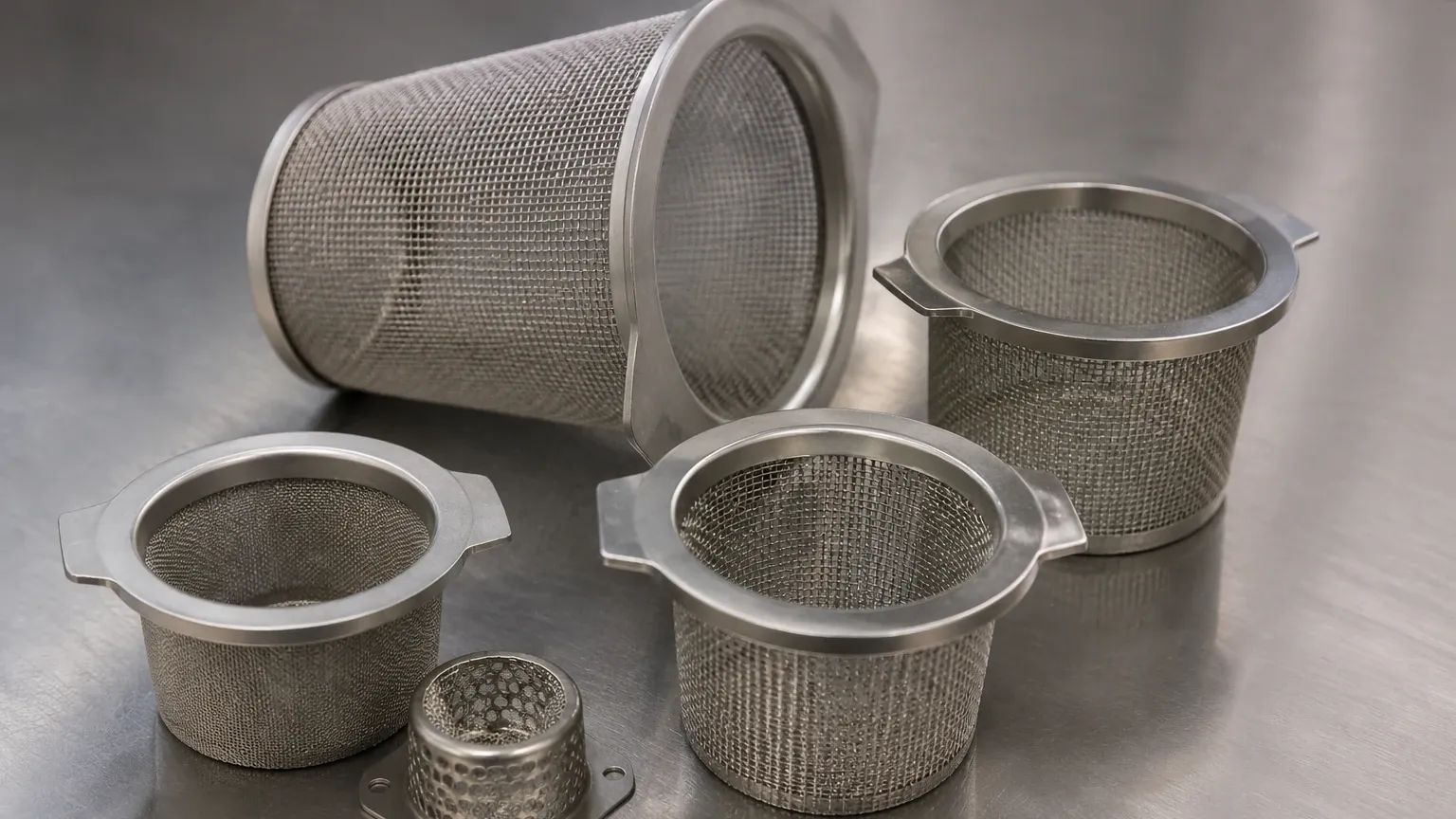
Leaf Strainers for Downpipes
In industrial and commercial facility management, the integrity of a building’s drainage system is a critical factor in preventing structural damage and operational downtime. While often overlooked, the transition point between roof gutters and vertical drainage—the downpipe—is a primary site for debris accumulation. Leaf strainers for downpipes serve as the first line of defense, ensuring that organic matter, industrial debris, and environmental waste do not enter the subterranean piping network. For engineers and facility managers, selecting high-performance Strainers & Baskets is a matter of balancing filtration efficiency with hydraulic capacity.
The Role of Leaf Strainers in Industrial Drainage
Industrial facilities, such as warehouses, chemical processing plants, and food production units, typically feature expansive roof surface areas. During heavy precipitation, these surfaces collect significant volumes of water that must be channeled through a limited number of downpipes. Without effective leaf strainers for downpipes, leaves, twigs, and even wind-blown industrial waste can enter the downpipes, leading to several systemic risks:
1. Subterranean Blockages: Once debris passes the downpipe, it enters horizontal underground pipes that are significantly more difficult and expensive to clear than surface-level components.
2. Water Ingress: If a downpipe becomes restricted, water backs up into the gutter system. This extra weight can cause structural failure of the gutters or lead to water overflowing into the building’s eaves and walls, potentially damaging inventory or sensitive machinery.
3. Foundation Erosion: Uncontrolled overflow from blocked downpipes can saturate the ground near the building’s foundation, leading to soil erosion and potential structural instability over time.
By implementing precision-engineered metal strainers, facilities can ensure that only water and fine particulates enter the drainage system, while larger debris is captured at an accessible point for periodic removal.
Material Science: Why Stainless Steel Prevails
In the selection of leaf strainers for downpipes, material durability is paramount. While plastic or light-gauge galvanized steel options exist for residential use, industrial environments demand materials that can withstand UV exposure, temperature fluctuations, and corrosive atmospheres.
Stainless Steel 304 vs. 316
At Kaifil, we prioritize the use of high-grade stainless steel for our filtration components. Stainless steel 304 offers excellent resistance to atmospheric corrosion and is the standard for most industrial drainage applications. However, for facilities located in coastal regions or chemical processing zones where salt spray or acidic vapors are present, Stainless Steel 316 is recommended. The addition of molybdenum in SS316 provides superior resistance to pitting and crevice corrosion, ensuring the strainer remains structurally sound for decades.
Structural Integrity and UV Resistance
Unlike polymer-based strainers, which become brittle and crack under prolonged exposure to ultraviolet radiation, stainless steel maintains its mechanical properties. This is crucial for leaf strainers for downpipes, as they are constantly exposed to the elements. A failed plastic strainer can itself become a source of debris, potentially causing the very blockage it was intended to prevent.
Engineering the Flow-to-Surface Area Ratio
A common engineering challenge in drainage filtration is the "clogging paradox": a mesh that is too fine will capture more debris but will also clog faster, leading to hydraulic backup. Conversely, a mesh that is too coarse will allow large debris to pass through. To optimize the performance of leaf strainers for downpipes, engineers must consider the Effective Open Area (EOA).
The 3:1 Rule in Industrial Filtration
In many industrial basket strainer designs, it is standard practice to aim for an open area that is at least three to four times the cross-sectional area of the pipe. This ensures that even if the strainer is 50% or 60% covered with leaves, the remaining open area is still sufficient to handle the maximum designed flow rate of the downpipe. This safety margin is essential during extreme weather events where high-velocity water flow and heavy debris loading occur simultaneously.
Pressure Drop and Velocity
High-performance Strainers & Baskets are designed to minimize the pressure drop across the filter media. In a gravity-fed downpipe system, maintaining velocity is key to preventing the sedimentation of fine particles. A well-designed strainer will facilitate a laminar flow transition into the downpipe while effectively trapping larger solids.
Comparison of Design Configurations
Leaf strainers for downpipes come in various geometries, each suited to specific gutter and downpipe configurations. Understanding these designs helps in selecting the right component for a facility's specific needs.
1. Balloon or Dome Strainers
These are typically wire mesh structures that expand to fit the diameter of the downpipe opening. The domed shape is intentional; it allows water to flow into the downpipe from the sides even if the top of the dome is covered by a large leaf or debris. This "anti-vortex" and anti-clog geometry is highly effective for standard vertical downpipes.
2. Basket Strainers
For high-capacity industrial gutters, a basket-style strainer is often preferred. These are recessed into the gutter outlet and provide a larger internal volume for debris collection. Basket strainers are ideal for facilities where maintenance intervals are longer, as they can hold a significant amount of organic matter before flow is significantly restricted.
3. Perforated vs. Woven Wire Mesh
* Woven Wire Mesh: Offers a higher percentage of open area and is excellent for capturing fine debris. It is highly customizable in terms of wire gauge and aperture size.
* Perforated Metal: Provides superior structural rigidity. For downpipes that may encounter heavy debris like gravel from a ballasted roof, perforated stainless steel baskets offer the impact resistance necessary to prevent deformation.
Maintenance Protocols and Operational Efficiency
The installation of high-quality leaf strainers for downpipes is a proactive maintenance strategy that significantly reduces the Total Cost of Ownership (TCO) of building infrastructure. However, no strainer is "maintenance-free." A structured approach to inspection is required to ensure long-term performance.
Inspection Cycles
In most industrial settings, a bi-annual inspection—typically in late autumn and early spring—is sufficient. However, for facilities located near dense vegetation or those with manufacturing processes that release airborne particulates (such as textile mills or woodworking shops), quarterly inspections may be necessary.
Ease of Cleaning
One of the primary advantages of utilizing precision-manufactured stainless steel strainers is their ease of cleaning. Unlike plastic mesh, which can trap fibers in its pores, smooth stainless steel surfaces allow debris to be easily brushed or hosed off. This reduces the labor time required for maintenance crews and ensures the strainer is returned to its full hydraulic capacity quickly.
Custom OEM Solutions for Complex Architectures
Many industrial buildings feature non-standard drainage architectures, such as oversized box gutters, siphonic drainage systems, or square-profile downpipes. Off-the-shelf leaf strainers for downpipes often fail to provide a secure fit in these scenarios, leading to bypass—where debris slips through the gaps between the strainer and the pipe wall.
Kaifil specializes in the custom manufacturing of filtration components tailored to specific engineering requirements. Customization options include:
* Variable Diameters: Precision-fit strainers for non-standard pipe sizes ranging from small-diameter laboratory drains to large-scale industrial culverts.
* Flanged or Bolted Mounts: For high-vibration environments or areas prone to high winds, strainers can be designed with mechanical fasteners to ensure they remain in place.
* Integrated Sensors: For mission-critical facilities, strainers can be integrated into baskets equipped with differential pressure sensors or overflow alarms to alert maintenance teams when cleaning is required.
Conclusion: Selecting the Right Filtration Partner
Effective drainage management is a cornerstone of industrial facility maintenance. By investing in high-quality leaf strainers for downpipes, engineers can protect their infrastructure from the costly consequences of water damage and clogged piping. The choice of material, the calculation of open area, and the selection of the appropriate structural design are all critical factors that determine the success of a filtration solution.
As a professional manufacturer of custom stainless steel filtration solutions, Kaifil provides the technical expertise and manufacturing precision necessary to support demanding industrial applications. Whether you require standard wire mesh inserts or heavy-duty custom Strainers & Baskets, our team works closely with you to ensure that your drainage systems remain clear, efficient, and durable. For technical specifications or to discuss a customized filtration design for your facility, reviewing our product options is the first step toward optimized drainage performance.