


Strainer 1 2
In industrial fluid handling and piping systems, the protection of sensitive downstream components is paramount to operational longevity and process efficiency. Among the most common yet critical components used for this purpose is the 1/2 inch (DN15) strainer. Often referred to in procurement and engineering specifications as a strainer 1 2, these small-bore filtration devices serve as the first line of defense against particulate contamination in pipelines carrying water, oil, gas, steam, and various chemical media.
For engineers and procurement professionals, selecting the correct Strainers & Baskets involves more than simply matching a pipe size. It requires a deep understanding of fluid dynamics, material compatibility, and the specific filtration requirements of the application. This guide examines the technical nuances of 1/2 inch strainers, providing the factual foundation necessary for informed industrial selection.
Understanding the Role of 1/2 Inch Strainers in Industrial Piping
The 1/2 inch designation refers to the nominal pipe size (NPS) of the inlet and outlet connections. In the context of industrial filtration, a strainer 1 2 is typically utilized in small-diameter piping systems where flow rates are relatively low but the need for precision protection is high. These systems are frequently found in sampling lines, chemical dosing skids, hydraulic control circuits, and secondary steam tracing lines.
The primary function of these components is the mechanical removal of solids from a flowing fluid. Unlike fine filters which may target sub-micron particles, industrial strainers are designed to capture larger debris—such as pipe scale, weld slag, or incidental sediment—that could otherwise damage pumps, clog spray nozzles, or interfere with the seating of control valves. Because 1/2 inch lines often feed into high-precision instrumentation, the reliability of the strainer directly impacts the accuracy and uptime of the entire process.
Design Variations for 1/2 Inch Filtration
When specifying a strainer 1 2, the housing design is a primary consideration. While several configurations exist, two main types dominate the industrial landscape: Y-strainers and basket strainers.
Y-Type Strainers
For 1/2 inch applications, the Y-strainer is the most prevalent design. Its compact, "Y" shaped body allows it to be installed in both horizontal and vertical pipelines (provided the flow is downward in vertical installations). The primary advantage of the Y-design in small-bore piping is its ability to handle high pressures. Because the 1/2 inch size often deals with high-velocity steam or high-pressure hydraulic fluids, the structural integrity of the Y-pattern is ideal. However, Y-strainers have a smaller dirt-holding capacity compared to basket types, necessitating more frequent cleaning if the fluid has a high solids loading.
Basket Type Strainers
While less common in 1/2 inch sizes than in larger diameters, basket strainers are specified when the application requires a higher volume of debris collection or a lower pressure drop. A basket strainer features a vertical chamber that houses a removable screen. In a 1/2 inch configuration, this design is often used in batch processing or liquid applications where the strainer must be cleaned manually without significant downtime. The larger surface area of the basket allows for longer intervals between maintenance cycles.
Material Engineering and Chemical Compatibility
The durability of a strainer 1 2 is dictated by its material of construction. In demanding industrial environments, stainless steel is the industry standard due to its mechanical strength and resistance to corrosion. Kaifil specializes in manufacturing these components using high-grade alloys to meet diverse process requirements.
1. Stainless Steel 304: This is the most common material for general industrial use. It provides excellent resistance to atmospheric corrosion and is suitable for most water and oil applications. It is a cost-effective choice for non-aggressive environments.
2. Stainless Steel 316/316L: For more demanding applications, such as those found in chemical processing, pharmaceutical manufacturing, or marine environments, SS316 is preferred. The addition of molybdenum enhances resistance to pitting and crevice corrosion, particularly in chloride-rich environments. SS316L (low carbon) is often specified for applications requiring extensive welding to prevent intergranular corrosion.
3. Specialty Alloys: In highly corrosive or high-temperature processes involving concentrated acids or harsh chemicals, materials like Monel, Hastelloy, or Duplex stainless steel may be required. Selecting the right alloy ensures that the strainer housing and the internal mesh do not degrade, which would lead to process contamination or mechanical failure.
Technical Specifications and Performance Metrics
To ensure a strainer 1 2 performs as expected, engineers must evaluate several technical parameters during the selection process. These metrics define how the strainer will interact with the fluid and the surrounding system.
Filtration Accuracy (Mesh vs. Micron)
The internal element of the strainer—the screen or basket—is defined by its filtration rating. This is typically expressed in mesh size or microns.
* Mesh Count: Refers to the number of openings per linear inch. A higher mesh count indicates a finer screen. For a 1/2 inch strainer, common mesh sizes range from 20 mesh (approx. 840 microns) for coarse protection to 200 mesh (approx. 74 microns) for fine protection.
* Micron Rating: Provides a more precise measurement of the largest particle that can pass through the screen.
When choosing the filtration level, it is critical to balance protection with performance. A screen that is too fine will clog rapidly, leading to excessive pressure drops, while a screen that is too coarse may allow damaging particles to pass through.
Flow Coefficient (Cv) and Pressure Drop
The pressure drop (ΔP) across a strainer is the difference in pressure between the inlet and outlet. This is a function of the fluid's velocity, viscosity, and the strainer's Flow Coefficient (Cv). The Cv value represents the volume of water (in GPM) that will flow through the strainer with a 1 psi pressure drop. For a 1/2 inch strainer, the Cv is relatively small, meaning that even minor clogging can significantly increase the pressure drop. Engineers must calculate the "clean pressure drop" and ensure that the system's pump or supply pressure can accommodate the resistance introduced by the strainer.
Installation and Maintenance Best Practices
The effectiveness of a strainer 1 2 is highly dependent on proper installation and a rigorous maintenance schedule. Even the highest quality stainless steel filter can fail or cause system issues if mismanaged.
Orientation and Flow Direction
Strainers are directional components. An arrow is typically cast or etched into the body to indicate the required flow direction. For Y-strainers, the "leg" containing the screen must point downward. This ensures that the collected debris settles in the leg and does not fall back into the main pipe when the flow stops. In horizontal steam lines, Y-strainers should be installed with the leg in a horizontal plane to prevent condensate from pooling, which can cause water hammer.
The Importance of Blow-off Valves
Many 1/2 inch Y-strainers feature a threaded plug in the blow-off connection. Replacing this plug with a ball valve allows for "blow-down" cleaning. This process involves opening the valve while the system is under pressure, allowing the fluid to flush out the accumulated debris from the screen without needing to disassemble the piping. This is a vital feature for maintaining continuous operations.
Seal and Gasket Selection
The interface between the strainer cap and the body requires a reliable seal. Depending on the fluid and temperature, materials such as PTFE (Teflon), EPDM, Viton, or Graphite are used. For high-temperature steam applications, metallic or spiral-wound gaskets are often necessary to prevent leaks. Ensuring the seal material is compatible with the process fluid is a critical safety and performance step.
Customization and OEM Solutions
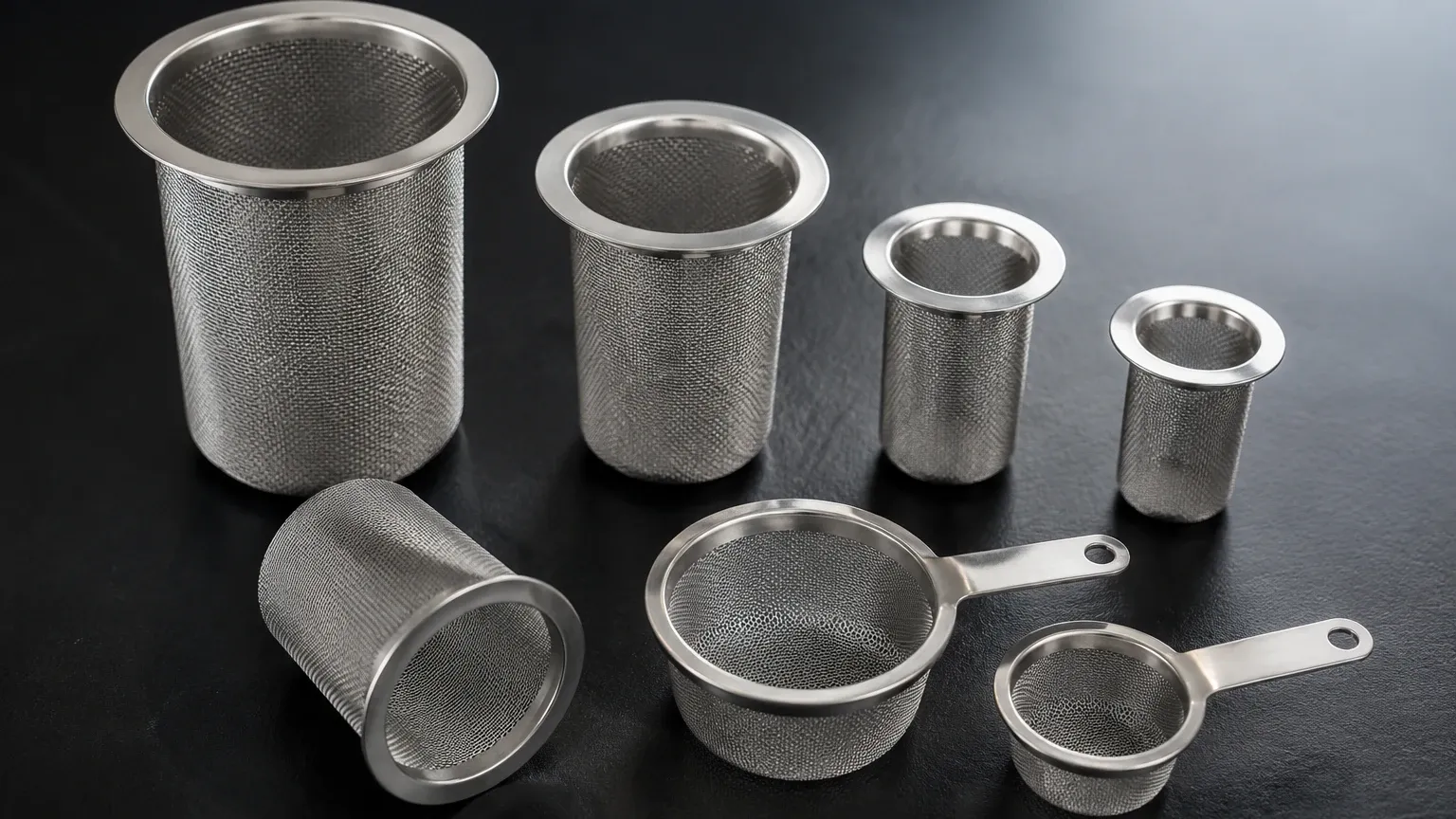
Standard off-the-shelf strainers may not meet the specialized requirements of every industrial application. This is where custom manufacturing capabilities become essential. As a professional manufacturer, Kaifil provides tailored solutions for Strainers & Baskets that go beyond standard catalog specifications.
Customization options for a strainer 1 2 include:
* Custom Mesh Liners: Combining a perforated metal support with a fine wire mesh overlay to provide both structural strength and high-precision filtration.
* Unique Connection Types: While NPT (National Pipe Thread) is standard in North America and BSP (British Standard Pipe) is common in Europe, some systems require flanged, socket-weld, or sanitary tri-clamp connections.
* Extended Bodies: Increasing the size of the strainer body to provide a larger filtration surface area, thereby reducing the frequency of maintenance in high-solids applications.
* Material Traceability: Providing full MTRs (Material Test Reports) and compliance certifications (such as FDA or 3A for food and beverage applications) to ensure the component meets regulatory standards.
Conclusion: Selecting the Right Strainer for Your System
Selecting a strainer 1 2 is a technical decision that impacts the reliability of an entire industrial process. By focusing on material integrity, precise filtration ratings, and the specific hydraulic characteristics of the system, engineers can prevent costly downtime and equipment damage. Whether the application involves protecting a delicate chemical sensor or ensuring the purity of a food-grade liquid, the quality of the strainer is a non-negotiable factor.
Kaifil’s expertise in stainless steel filtration ensures that every strainer and basket is engineered for durability and precision. By working closely with a manufacturer that understands the nuances of industrial filtration, procurement teams can secure components that offer the best total cost of ownership through reduced maintenance and extended service life. When evaluating your next filtration requirement, consider the long-term benefits of a custom-engineered solution designed specifically for your operational parameters.
